
A Quiet Moment Most Pet Parents Recognize
Your dog is eating.
Walking.
Sleeping in their usual spot.
Nothing dramatic feels wrong.
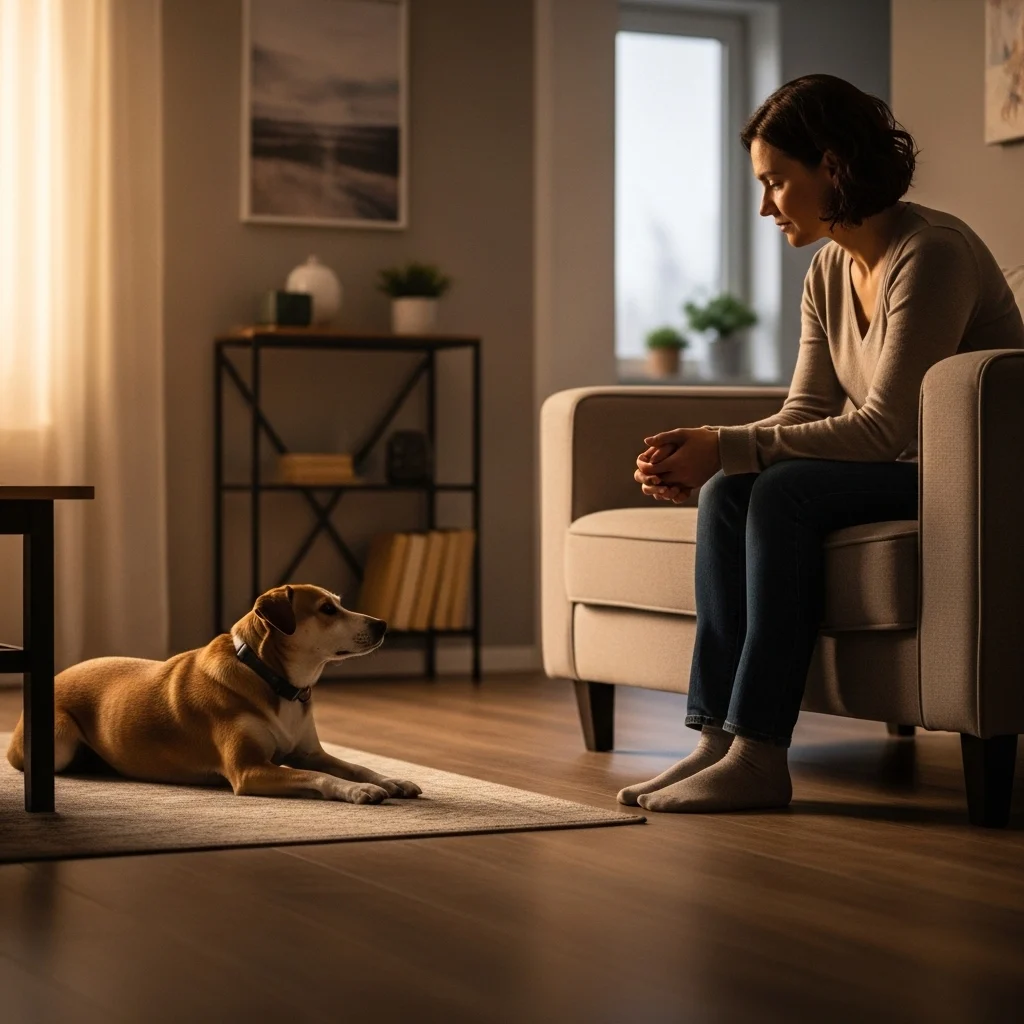
And yet… something feels off.
In my clinical experience, many pet parents say the exact same thing during visits:
“He’s not sick. He’s just not himself.”
That instinct is often correct.
Dogs are remarkably good at maintaining normal behavior even when something inside them has shifted. They don’t complain. They don’t exaggerate. And they rarely show obvious distress until they truly have no choice.
This article is about those small, easy-to-miss changes—the ones that quietly tell us a dog may not be as “fine” as they appear.

Why Dogs Hide Discomfort So Well
This is something I explain often in the clinic.
Dogs evolved in social groups where showing weakness could make them vulnerable. That instinct hasn’t disappeared just because they now live on sofas instead of in the wild.
Instead of dramatic symptoms, we usually see:
- Subtle behavioral shifts
- Slight routine changes
- Quiet emotional withdrawal
Many pet parents are surprised to learn that the earliest signs of trouble are rarely physical. They’re behavioral, emotional, and situational.
That’s why relying only on appetite, walking, or tail wagging can be misleading.

“He’s Just Getting Older” — The Most Common Misinterpretation
One of the biggest mistakes I see is dismissing changes as aging.
Yes, dogs slow down with time.
But aging does not cause sudden personality changes.
Watch for phrases like:
- “He sleeps more than before”
- “She doesn’t greet us like she used to”
- “He just seems less interested in things”
When these changes happen gradually, they feel normal. But they often signal pain, discomfort, or chronic stress that’s been building quietly.
Small Behavioral Changes That Matter More Than You Think
Let’s look at the subtle shifts that deserve attention.
1. Changes in Where Your Dog Chooses to Rest
Dogs instinctively choose places where they feel safest and most comfortable.
A dog who suddenly:
- Stops sleeping near family
- Moves to cooler or isolated areas
- Changes preferred sleeping positions
May be responding to internal discomfort, joint pain, abdominal sensitivity, or emotional unease.
These choices are rarely random.
2. Altered Social Interaction (Without Aggression)
Not all behavioral issues involve growling or snapping.
Often, the earliest sign is withdrawal.
This may look like:
- Less eye contact
- Reduced enthusiasm for play
- Slower response to affection
In the clinic, we often see this pattern weeks before any obvious illness appears.
3. Subtle Changes in Walking or Movement
Your dog may still walk, run, and climb stairs.
But look closely:
- Do they hesitate before jumping?
- Do they sit more often during walks?
- Do they take longer to stand up?
These micro-adjustments are often the body compensating quietly for discomfort.
4. Shifts in Daily Routine (Without Skipping Meals)
Many owners only worry when appetite drops.
But earlier signs include:
- Eating slower than usual
- Leaving food unfinished (but returning later)
- Drinking slightly more or less
These changes often precede digestive, dental, metabolic, or stress-related issues.

Emotional Changes Are Often the First Clue
Dogs feel emotions deeply, but they express them subtly.
Watch for:
- Increased clinginess or sudden independence
- Restlessness without clear cause
- Reduced interest in favorite activities
In real-life cases, emotional changes are often the first visible sign of chronic pain, hormonal imbalance, or anxiety.
Behavior vs. Health: A Simple Comparison Table
| Change Observed | Often Dismissed As | What It Can Actually Mean |
|---|---|---|
| Sleeping more | Laziness | Chronic pain, inflammation |
| Less playful | Maturity | Joint discomfort, fatigue |
| Avoiding touch | Mood change | Localized pain, sensitivity |
| Slower walks | Aging | Musculoskeletal strain |
| Quiet withdrawal | Personality | Stress, discomfort, illness |
This is why context matters more than isolated symptoms.
Why These Small Changes Matter Today
Dogs today live longer than ever.
That’s wonderful—but it also means:
- More chronic conditions
- Slower-developing discomfort
- Longer periods of silent compensation
Early recognition:
- Improves outcomes
- Reduces long-term suffering
- Often requires simpler interventions
Mistakes Pet Parents Commonly Make (Without Realizing It)
Even loving, attentive owners can miss these signs.
Common mistakes include:
- Waiting for “obvious” symptoms
- Assuming normal tests mean nothing is wrong
- Comparing their dog to others instead of past behavior
The most important comparison is your dog today vs. your dog six months ago.
Actionable Steps You Can Take Right Now
You don’t need medical training to be observant.
Here’s what helps:
- Track patterns, not single days
- Note behavior changes, not just appetite
- Trust instincts that feel persistent
- Share subtle observations during vet visits
In my experience, early conversations often prevent later emergencies.
Hidden Tip Most Owners Don’t Use
Record short videos at home.
A dog walking, resting, or interacting naturally at home often shows signs that disappear in a clinic setting. These clips provide valuable context for veterinarians.
Frequently Asked Questions
1. Can dogs really be sick without obvious symptoms?
Yes. Many chronic or low-grade issues develop quietly, showing behavioral changes long before physical symptoms.
2. How long should I observe changes before acting?
If a change lasts more than 7–10 days or keeps repeating, it’s worth discussing with your veterinarian.
3. Is this always a medical issue?
Not always. Emotional stress, environmental changes, and routine disruptions can also cause subtle shifts—but they still deserve attention.
4. My dog still eats and plays sometimes. Should I worry?
Occasional normal behavior doesn’t rule out discomfort. Dogs often push through pain intermittently.
5. What’s the best way to explain this to my vet?
Describe what changed, when it started, and how often it happens—even if it feels minor.
Key Takeaways
- Dogs rarely show pain loudly
- Behavioral changes often appear before illness
- “Seems fine” doesn’t always mean “is fine”
- Early observation leads to better outcomes
- Your instincts as a pet parent matter
A Calm, Honest Conclusion
Most dogs don’t wake up one day visibly sick.
They adjust.
They compensate.
They stay quiet.
Your role isn’t to panic—but to notice.
Because noticing early isn’t overreacting.
It’s responsible, compassionate care.
Disclaimer: This article is for general educational purposes and does not replace personalized veterinary advice. Always consult your veterinarian for concerns about your pet’s health.

Dr. Chaitanya Solanki is a licensed veterinarian with over 10 years of hands-on clinical experience in companion animal medicine. As the founder of Dr. C.M.’s Pet Clinic, he has treated thousands of dogs and cats, focusing on preventive care, behavior, nutrition, and early disease detection. His writing is evidence-based, clinically informed, and designed to help pet owners make confident, responsible care decisions.
Pingback: When Slight Behavior Changes Point to Hormonal Imbalance — The Early Signs Most Owners Miss
Pingback: Why Dogs Change Sleeping Positions When Unwell — The Quiet Signal Most Owners Miss
Pingback: Your Dog Looks Fine — Why Tick-Borne Diseases Often Go Unnoticed for Weeks