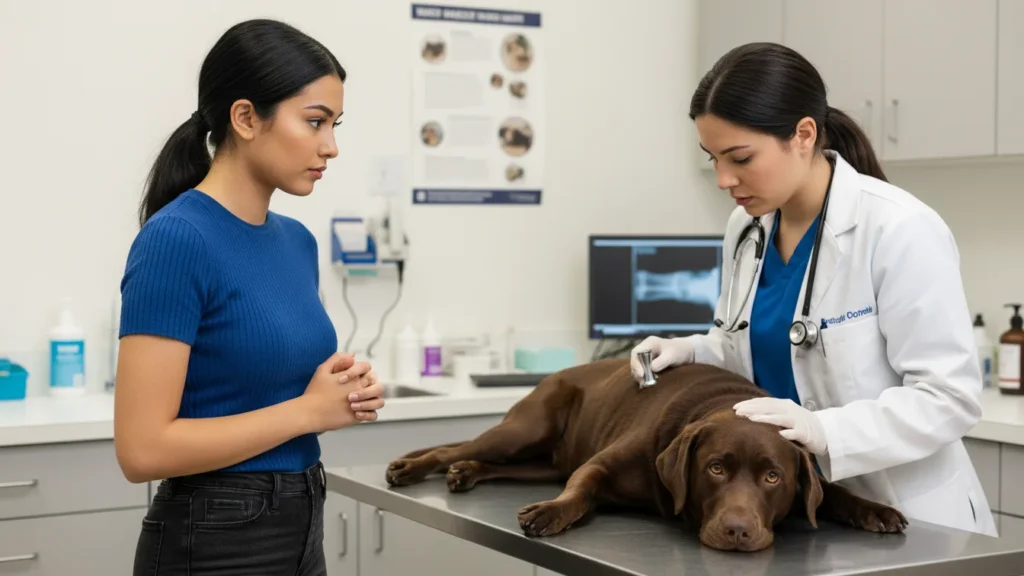
A Quiet Pattern Vets See Every Day
Most veterinarians don’t panic when a pet misses a single appointment.
What worries them is the pattern.
The slow drift from regular checkups to only visiting when something is wrong.
From the owner’s side, it often feels reasonable:
- “They’re eating fine.”
- “They’re still playful.”
- “Nothing seems urgent.”
From the vet’s side, it feels very different.
Because many of the most serious pet health problems don’t announce themselves loudly—they build quietly while everything still looks normal.
Why Routine Care Exists in the First Place (And What It Actually Catches)
Routine veterinary care isn’t about finding dramatic illness every time.
It’s about:
- Tracking small biological changes
- Comparing today’s health to last year’s baseline
- Spotting patterns owners can’t see day to day
During a routine visit, vets assess:
- Weight trends (not just current weight)
- Subtle posture and gait changes
- Dental health below the gumline
- Early heart and lung changes
- Skin, coat, and hydration quality
- Behavioral shifts that signal stress or pain
These details rarely trigger alarm at home—but they matter deeply medically.
The Dangerous Myth: “No Symptoms Means No Problem”
One of the biggest reasons vets worry is a widespread misconception:
If my pet isn’t showing symptoms, they must be healthy.
In reality:
- Kidney disease often shows signs after 65–75% function is lost
- Dental disease progresses silently below the gums
- Arthritis begins years before limping appears
- Heart disease can be present long before coughing starts
- Metabolic issues change blood values long before behavior changes
By the time symptoms are obvious, options are often narrower, costlier, and riskier.
What Vets Know That Owners Usually Don’t
Veterinarians are trained to think in trajectories, not moments.
They don’t just ask:
- “Is your pet okay today?”
They ask:
- “Is your pet moving in a healthy direction over time?”
Routine care creates a health timeline.
Delays erase that timeline—and force vets to work blind.
Real-Life Example Vets See Too Often
A middle-aged dog comes in after two years without a checkup.
The owner says:
“He’s been slowing down, but I thought that was age.”
The exam reveals:
- Significant dental infection
- Muscle loss in the hind legs
- Early kidney compromise
- Chronic inflammation indicators
None of this appeared suddenly.
All of it could have been softened, slowed, or prevented with earlier care.
That’s why vets worry—not because owners are careless, but because delay quietly multiplies risk.
Why Delayed Care Turns Small Issues Into Big Ones
Here’s what happens when routine care is postponed:
- Minor dental tartar → systemic inflammation
- Mild weight gain → insulin resistance
- Early joint stiffness → chronic pain cycles
- Slight heart murmur → structural heart disease
- Low-grade infection → organ stress
Preventive care isn’t about “finding problems.”
It’s about interrupting progression.
Routine Care vs Delayed Care: A Clear Comparison
| Aspect | Routine Care | Delayed Care |
|---|---|---|
| Disease detection | Early, subtle | Late, advanced |
| Treatment options | More, gentler | Fewer, aggressive |
| Costs | Predictable, lower | Sudden, higher |
| Pet discomfort | Minimal | Often significant |
| Stress level | Low | High for pet & owner |
| Long-term outcome | Better quality of life | Compromised outcomes |
The Emotional Side Vets Rarely Say Out Loud
Veterinarians don’t just treat animals.
They carry the emotional weight of:
- Saying “If only we’d seen this sooner”
- Knowing outcomes could’ve been different
- Watching owners blame themselves unfairly
- Managing diseases that didn’t have to become severe
This emotional burden is one reason vets strongly advocate routine care—even when pets look “fine.”
Common Mistakes Owners Make (Without Realizing)
Many delays happen unintentionally:
- Waiting for visible symptoms
- Assuming indoor pets need fewer checkups
- Believing good appetite equals good health
- Skipping dental exams because teeth “look clean”
- Thinking aging equals inevitable decline
None of these beliefs are malicious.
But all of them increase long-term risk.
Hidden Tip: The Power of Baseline Health Data
One of the most valuable outcomes of routine care is baseline data:
- Normal blood values
- Typical weight range
- Usual heart and respiratory patterns
- Behavioral norms
When something changes, vets can act faster and more precisely.
Without baselines, medicine becomes reactive instead of preventive.
Why This Matters More Today Than Ever
Pets are living longer than ever before.
Longer lives mean:
- More chronic conditions
- Greater need for early intervention
- Higher importance of preventive strategies
Routine care isn’t about extending life at any cost—it’s about protecting comfort, mobility, and dignity as pets age.
Actionable Steps Every Pet Owner Can Take
You don’t need to do everything at once.
Start here:
- Schedule annual or biannual wellness exams
- Track small behavior or appetite changes
- Ask your vet what “normal” looks like for your pet
- Don’t delay dental evaluations
- Treat routine visits as maintenance, not emergencies
Consistency matters more than perfection.
Key Takeaways
- Vets worry about delayed care because many diseases progress silently
- Routine visits catch problems before symptoms appear
- Delayed care reduces treatment options and increases cost and stress
- Preventive care protects quality of life, not just longevity
- Early action is almost always gentler, cheaper, and more effective
Frequently Asked Questions
1. How often should pets have routine checkups?
Most adult pets benefit from yearly exams, while seniors often need them every 6 months to catch age-related changes early.
2. My pet seems healthy—do they still need routine care?
Yes. Many serious conditions show internal changes long before outward symptoms appear.
3. Are routine visits really cost-effective?
In most cases, yes. Preventing or slowing disease is usually far less expensive than treating advanced illness.
4. Do indoor pets need the same level of care?
Absolutely. Indoor pets still develop dental disease, obesity, kidney issues, and hormonal disorders.
5. What if my pet gets anxious at the vet?
Tell your veterinarian. Many clinics offer fear-reducing strategies, gentle handling, or adjusted appointment styles.
A Simple Truth Vets Wish More Owners Knew
Routine care isn’t about expecting something to be wrong.
It’s about protecting what’s still right.
When owners act early, vets can do their best work—quietly preserving health instead of fighting emergencies.
That’s why delayed care worries them.
Not because of judgment.
But because of everything it silently takes away.
Disclaimer: This article is for general educational purposes and does not replace professional veterinary advice. Always consult your veterinarian for concerns specific to your pet.

Dr. Chaitanya Solanki is a licensed veterinarian with over 10 years of hands-on clinical experience in companion animal medicine. As the founder of Dr. C.M.’s Pet Clinic, he has treated thousands of dogs and cats, focusing on preventive care, behavior, nutrition, and early disease detection. His writing is evidence-based, clinically informed, and designed to help pet owners make confident, responsible care decisions.
Pingback: The Early Health Changes Bloodwork Detects First — What Blood Reveals Long Before Symptoms Appear