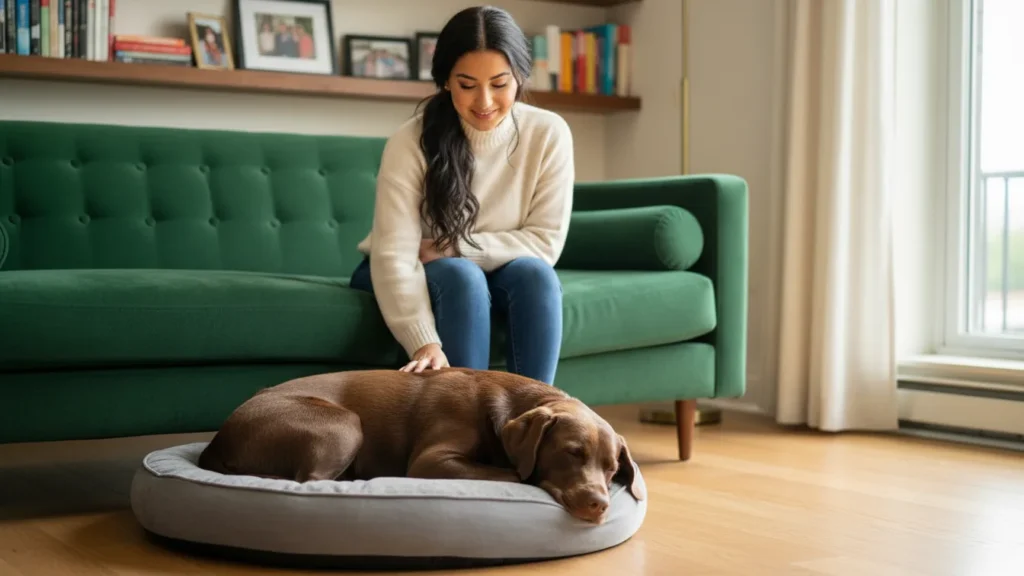
“At Least They’re Comfortable… Right?”
It often starts as a reassuring thought.
Your dog sleeps through most of the afternoon.
Your cat naps in places they never used to.
They’re quieter. Calmer. Easier.
And the explanation feels comforting:
“They’re just getting older.”
But here’s what many owners don’t realize until much later:
Sleep changes are one of the earliest—and most misunderstood—signals in aging pets.
Sometimes, more sleep truly is normal.
Other times, it’s the body’s quiet way of coping with something deeper.
Knowing the difference matters more than most people think.
Why Older Pets Naturally Sleep More
Some increase in sleep is expected with age.
As pets get older:
- Muscles fatigue faster
- Recovery takes longer
- Energy reserves shrink
Sleep becomes a tool for repair and conservation, not laziness.
Senior pets often:
- Take longer naps
- Rest more deeply
- Space activity farther apart
This type of sleep still feels healthy. The pet wakes easily, engages when invited, and returns to rest without strain.
That’s the key distinction.
What “Normal” Senior Sleep Usually Looks Like
Healthy aging sleep has patterns.
Typical Normal Changes
- Longer naps after activity
- Preference for quiet, comfortable spots
- Slightly longer nighttime sleep
- Still responsive when called
These pets may sleep more hours overall—but they remain mentally present.
They wake up oriented.
They respond to routine.
They still show interest in food, people, and surroundings.
When Increased Sleep Becomes a Medical Clue
Sleep becomes concerning when it changes how your pet engages with life.
Not just how long they sleep—but why they sleep.
Red flags often include:
- Sleeping to avoid movement
- Sleeping through events they once enjoyed
- Difficulty waking or engaging
- Withdrawal even when awake
This kind of sleep isn’t restorative.
It’s protective.
The Hidden Reasons Older Pets Sleep More Than Expected
Excessive sleep is rarely random.
1. Chronic Pain That’s Easier to Sleep Through
Pain doesn’t always show up as limping or crying.
Many senior pets choose sleep because:
- Movement triggers discomfort
- Rest feels safer than activity
- Stillness reduces strain
Sleep becomes an escape—not a need.
2. Reduced Stamina and Energy Production
As internal systems age, energy production becomes less efficient.
Pets may:
- Tire quickly
- Need longer recovery periods
- Choose rest over interaction
This is often mistaken for contentment.
3. Cognitive Changes in Aging Brains
Older pets may experience subtle neurological changes.
This can lead to:
- Increased daytime sleep
- Reduced curiosity
- Altered sleep-wake cycles
These pets aren’t bored—they’re processing differently.
4. Sensory Decline Shrinks the World
When hearing or vision fades, stimulation decreases.
Less input means:
- Less engagement
- More rest
- Fewer reasons to stay alert
Sleep fills the quiet.
5. Emotional Withdrawal Linked to Physical Vulnerability
When bodies feel unreliable, pets conserve both energy and emotion.
They may sleep to:
- Avoid uncertainty
- Stay within comfort zones
- Reduce interaction demands
This is adaptation—not apathy.
Normal Sleep vs. Concerning Sleep: A Clear Comparison
| Sleep Pattern | Usually Normal | Needs Attention |
|---|---|---|
| Long naps after activity | ✔ | |
| Sleeping most of the day | ✔ | |
| Easily wakes when called | ✔ | |
| Hard to rouse or disengaged | ✔ | |
| Maintains interest when awake | ✔ | |
| Withdrawn even when awake | ✔ |
Normal sleep restores.
Concerning sleep replaces engagement.
Why Owners Often Miss Sleep-Related Red Flags
Sleep feels harmless.
After all, rest is good—right?
But several factors blur the picture:
- Gradual change feels invisible
- Calmness feels positive
- Appetite masks underlying issues
- Busy households normalize inactivity
Many owners only recognize the problem once sleep turns into isolation.
Real-Life Example: “She Just Loves Napping Now”
A senior cat begins sleeping in hidden places.
At first, it seems cute.
Then routine.
Then constant.
Months later, grooming declines, interaction disappears, and discomfort becomes obvious.
The sleep wasn’t the problem.
It was the signal.
Why This Matters Today (And Always Will)
Pets are living longer than ever.
That means:
- Aging stretches over years
- Subtle signs matter more
- Comfort depends on interpretation
Sleep is one of the earliest clues owners are given.
Learning to read it properly can change outcomes.
How to Tell If Your Pet’s Sleep Is Healthy or Concerning
Ask yourself these questions:
- Does my pet still engage happily when awake?
- Is sleep replacing activities they once enjoyed?
- Are wakeful moments shorter or less responsive?
- Has sleep increased suddenly or progressively?
Patterns—not single days—tell the truth.
Actionable Steps Owners Can Take
You don’t need to eliminate naps.
You need to observe context.
1. Watch Wakefulness Quality
How your pet acts when awake matters more than total sleep hours.
2. Encourage Gentle, Low-Impact Engagement
- Short interactions
- Familiar routines
- Comfortable play or movement
Engagement should feel safe—not exhausting.
3. Improve Sleep Comfort
- Supportive bedding
- Quiet, predictable spaces
- Easy access to favorite areas
Comfort improves both sleep and confidence.
4. Avoid Forcing Activity
Forced stimulation can increase stress and withdrawal.
Invitation works better than insistence.
Mistakes That Delay Recognition
- Assuming more sleep equals happiness
- Using appetite as the sole health indicator
- Ignoring gradual withdrawal
- Comparing sleep to younger years instead of recent weeks
Sleep changes are about trend, not age.
Hidden Tip: Track “What Wakes Them”
A healthy sleeper still wakes for:
- Favorite sounds
- Familiar voices
- Food cues
When those stop working, sleep may be masking something deeper.
Key Takeaways
- Older pets naturally sleep more—but patterns matter
- Healthy sleep supports engagement, not withdrawal
- Excessive sleep often signals discomfort or decline
- Early awareness protects quality of life
- Sleep is information, not just rest
Frequently Asked Questions
1. How much sleep is normal for senior pets?
It varies, but increased sleep is normal if engagement remains strong when awake.
2. Is sleeping more always a bad sign?
No. It becomes concerning when it replaces interaction or responsiveness.
3. My pet eats well but sleeps all day—should I worry?
Possibly. Appetite often stays normal even when other systems struggle.
4. Do cats sleep more than dogs as they age?
Yes, but excessive hiding or withdrawal deserves attention.
5. When should I take action?
When sleep patterns change your pet’s personality or daily routine, early attention is wise.
Conclusion: Sleep Tells a Story
Sleep isn’t just rest.
In older pets, it’s often a reflection of how safe, comfortable, and capable their body feels.
When owners learn to look beyond the hours slept—and focus on why sleep is happening—they gain a powerful window into their pet’s well-being.
Listening early doesn’t mean worrying more.
It means caring smarter.
Disclaimer: This article is for general educational purposes only and is not a substitute for professional veterinary advice or evaluation.

Dr. Chaitanya Solanki is a licensed veterinarian with over 10 years of hands-on clinical experience in companion animal medicine. As the founder of Dr. C.M.’s Pet Clinic, he has treated thousands of dogs and cats, focusing on preventive care, behavior, nutrition, and early disease detection. His writing is evidence-based, clinically informed, and designed to help pet owners make confident, responsible care decisions.
Pingback: Cartilage Support Supplements: What Vets Actually Look For
Pingback: When Slowing Down Is a Medical Clue — The Subtle Signal Most Owners Dismiss Too Early
Pingback: The Aging Changes Owners Mistake for Normal — And Why They Matter More Than You Think
Pingback: The Subtle Sleep Changes That Often Signal Serious Illness in Pets
Pingback: Why Dogs Change Favorite Sleeping Spots — What That Quiet Shift Is Really Telling You