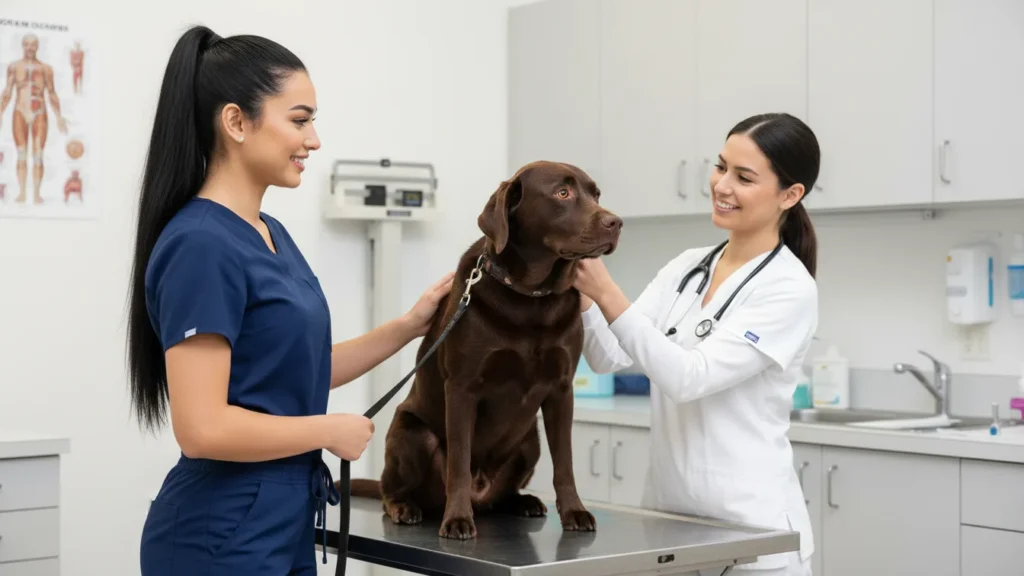
The Moment That Catches Many Pet Parents Off Guard
“He’s too young to be sick.”
It’s one of the most common—and understandable—assumptions pet parents make.
Your puppy runs nonstop.
Your kitten eats well, plays hard, and sleeps peacefully.
Everything looks perfect on the outside.
So when a vet recommends early screening, it can feel unnecessary—or even excessive.
But here’s what many owners don’t realize:
Some of the most serious pet health problems start silently, long before visible symptoms appear—especially in young animals.
What “Early Screening” Actually Means (And What It Doesn’t)
Early screening doesn’t mean:
- Over-testing
- Looking for rare diseases
- Assuming something is wrong
It means checking how the body is functioning beneath the surface.
In young pets, screening often includes:
- Basic blood and urine tests
- Parasite screening
- Growth and development assessments
- Early organ function markers
Think of it as a baseline health map—not a diagnosis hunt.
Why Young Pets Can Have Hidden Health Issues
Youth doesn’t always equal perfect health.
Some conditions begin:
- Genetically
- Developmentally
- Due to early nutrition or infections
Young pets are incredibly good at compensating, which hides early imbalance.
Their bodies adjust quietly—until they can’t.
By the time symptoms appear, the issue is often more advanced.
Common Problems That Can Start Early (But Stay Invisible)
1. Congenital Organ Issues
Some pets are born with:
- Mild heart abnormalities
- Early kidney inefficiencies
- Liver enzyme irregularities
These may not cause immediate symptoms—but they influence long-term health.
Early screening helps identify risk, not just disease.
2. Parasite Burdens That Don’t Always Show Obvious Signs
Not all parasites cause dramatic symptoms.
Some pets:
- Eat normally
- Maintain weight
- Stay playful
Yet still carry intestinal or blood parasites that quietly affect immunity and nutrient absorption.
3. Early Metabolic or Hormonal Imbalances
Subtle metabolic issues can show up as:
- Slight growth delays
- Poor muscle development
- Recurrent minor infections
These signs are easy to miss without screening.
4. Nutritional Deficiencies Despite “Good Diets”
Even high-quality diets may not suit every pet.
Early screening can reveal:
- Mineral imbalances
- Protein metabolism issues
- Early bone or joint stress
Especially important in fast-growing puppies and kittens.
Why Waiting for Symptoms Is Risky
Symptoms are often late-stage signals.
By the time you notice:
- Low energy
- Appetite changes
- Digestive upset
The body may have been compensating for months.
Early screening shifts care from reactive to preventive—which is where the biggest health benefits lie.
A Simple Comparison: Early Screening vs Symptom-Based Care
| Aspect | Early Screening | Waiting for Symptoms |
|---|---|---|
| Timing | Before illness shows | After damage begins |
| Treatment options | Simpler, gentler | Often aggressive |
| Long-term outcome | Better, more stable | Often compromised |
| Stress (pet & owner) | Minimal | High |
| Cost over time | Usually lower | Often higher |
This is why vets emphasize prevention—not because pets look sick, but because they don’t.
Real-Life Example: When “Too Young” Wasn’t True
A 7-month-old Labrador came in for routine screening.
No symptoms.
High energy.
Perfect appetite.
A basic blood test showed early kidney stress markers.
With early diet adjustments and monitoring:
- Kidney damage was slowed
- Growth remained normal
- Long-term prognosis improved dramatically
Without screening, this wouldn’t have been noticed until symptoms appeared—years later.
Why This Matters Even More Today
Modern pet lifestyles are changing fast.
- Faster growth due to high-calorie diets
- Reduced natural activity
- Breed-specific genetic concentration
- Environmental stressors
These factors mean early imbalance is more common, even in young pets that look healthy.
Mistakes Pet Owners Commonly Make
Many loving owners unintentionally delay screening by:
- Assuming youth equals immunity
- Waiting for visible illness
- Skipping vet visits after vaccinations
- Thinking screening is only for senior pets
These choices don’t cause illness—but they reduce early detection.
Hidden Tip: Baseline Tests Are Powerful
One of the biggest advantages of early screening is creating a baseline.
When your pet is healthy, test results show:
- What’s normal for your pet
- How organs function at their best
Later, even small changes become easier to spot early.
What Early Screening Typically Includes
While it varies by pet and vet, early screening may involve:
- Complete physical examination
- Blood tests (organ function, blood cells)
- Urine analysis
- Parasite screening
- Growth and body condition assessment
These tests are gentle, quick, and low-risk.
Actionable Steps for Pet Parents
You don’t need to screen everything all at once.
Start simple:
- Ask your vet about baseline screening
- Screen during routine visits—not emergencies
- Keep records for future comparison
- Adjust diet or care based on results
- Re-check periodically as advised
Prevention works best when it’s planned, not rushed.
Why Early Screening Isn’t About Fear
This is important.
Early screening isn’t about:
- Expecting bad news
- Over-medicalizing pets
- Creating anxiety
It’s about protecting the years ahead.
Most screenings come back normal—and that reassurance matters too.
Key Takeaways
- Young pets can have hidden health risks
- Early screening detects imbalance before illness
- Waiting for symptoms often means delayed care
- Baseline tests improve long-term outcomes
- Preventive care protects quality of life, not just lifespan
Frequently Asked Questions
1. Is early screening safe for puppies and kittens?
Yes. Screening tests are designed to be safe, gentle, and age-appropriate.
2. How often should young pets be screened?
Usually once as a baseline, then as advised based on breed, lifestyle, and results.
3. My pet seems perfectly healthy—should I still screen?
That’s exactly when screening is most valuable.
4. Is early screening expensive?
Basic screening is usually far less costly than treating advanced disease later.
5. Can early screening prevent disease?
It can’t prevent everything—but it can significantly reduce severity and progression.
A Calm, Honest Conclusion
Most pet parents would do anything to protect their pet’s future.
Early screening is one of the quietest—but most powerful—ways to do that.
Not because something is wrong today,
but because you want tomorrow to be healthier, calmer, and more secure.
Listening early keeps problems small—and years joyful.
Disclaimer: This article is for general educational purposes only and does not replace professional veterinary advice or diagnosis.

Dr. Chaitanya Solanki is a licensed veterinarian with over 10 years of hands-on clinical experience in companion animal medicine. As the founder of Dr. C.M.’s Pet Clinic, he has treated thousands of dogs and cats, focusing on preventive care, behavior, nutrition, and early disease detection. His writing is evidence-based, clinically informed, and designed to help pet owners make confident, responsible care decisions.