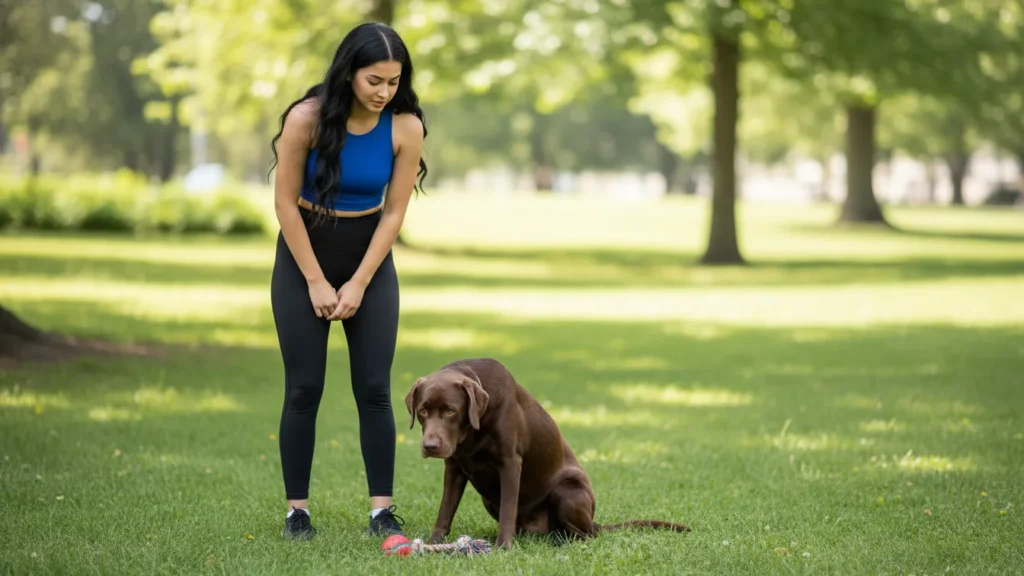
Why This Topic Matters More Than Owners Realize
Dogs don’t suddenly “become boring.”
They adapt quietly.
When a dog stops playing but still eats, walks, and looks normal, most owners assume:
- “He’s just calmer now.”
- “Maybe he’s maturing.”
- “It’s probably nothing.”
But in veterinary behavior and medicine, loss of play drive is one of the earliest changes seen before visible illness.
Play isn’t optional for dogs.
It’s neurological, emotional, physical, and social.
When it fades, something has shifted inside.
The Silent Shift: Why Play Is the First Thing Dogs Give Up
Play requires:
- Energy
- Joint comfort
- Mental engagement
- Emotional safety
When any one of these systems feels strained, the body cuts non-essential activities first.
That’s why dogs often:
- Stop fetching
- Ignore toys they loved
- End play sessions early
- Watch instead of joining
Before they show pain.
Before lab values change.
Before owners worry.
Reason #1: Low-Grade Pain That Doesn’t Cause Limping
Not all pain looks dramatic.
Early joint strain, spinal tension, or muscle soreness often causes:
- Hesitation before play
- Shorter play sessions
- Avoiding jumping or twisting
Dogs don’t whine for mild pain.
They opt out quietly.
Common hidden pain sources:
- Early arthritis (even in young dogs)
- Hip or elbow dysplasia (mild stage)
- Soft tissue strain
- Dental discomfort (yes, this reduces play too)
💡 Hidden tip:
If your dog still wants to be near play but avoids participating, pain is high on the list.
Reason #2: Mental Fatigue and Emotional Overload
Dogs experience emotional burnout just like humans.
Triggers include:
- Changes in routine
- New pets or people
- Increased noise or confinement
- Lack of enrichment
A mentally overloaded dog doesn’t act sad —
They act disengaged.
Signs this is emotional, not physical:
- Calm but distant behavior
- Increased sleeping
- Less curiosity
- Reduced excitement cues
Play requires emotional safety.
When the nervous system is overloaded, play shuts down first.
Reason #3: Hormonal and Metabolic Slowdowns
Some internal changes don’t show on the surface.
Hormonal shifts can reduce:
- Motivation
- Energy
- Playfulness
Examples include:
- Early thyroid imbalance
- Mild anemia
- Post-infection recovery
- Nutritional absorption issues
Dogs may still eat and walk —
But joyful movement disappears.
This is often missed because the dog “looks fine.”
Reason #4: Social Learning — Dogs Mirror Household Energy
Dogs read homes like emotional weather stations.
If a household becomes:
- More stressed
- Less interactive
- More screen-focused
- Less playful
Dogs adapt by becoming quieter.
This isn’t depression — it’s alignment.
Dogs reduce play when:
- Play invitations stop being reciprocated
- Engagement becomes inconsistent
- Human attention becomes fragmented
They don’t complain.
They adjust.
Reason #5: Age-Related Neurological Changes (Even Before “Senior” Years)
A common myth:
“Dogs stop playing only when they’re old.”
Reality:
- Cognitive changes begin earlier than visible aging
- Reaction speed slows
- Sensory processing becomes heavier
This causes:
- Less spontaneous play
- More observing, less participating
- Shorter excitement bursts
The dog isn’t bored.
Their brain is conserving energy.
What This Change Usually Means (Comparison Table)
| Behavior Change | Common Owner Assumption | Likely Underlying Cause |
|---|---|---|
| Stops fetching | “He grew out of it” | Joint discomfort or fatigue |
| Ignores toys | “Not interested anymore” | Mental overload or stress |
| Plays briefly | “Low energy today” | Early pain or metabolic shift |
| Watches play | “Lazy personality” | Neurological or emotional adaptation |
| Avoids rough play | “Calmer temperament” | Hidden soreness or fear of strain |
Mistakes Owners Make (Without Realizing)
These mistakes delay help — not intentionally, but commonly.
- Waiting for limping or vomiting
- Assuming aging explains everything
- Forcing play to “cheer them up”
- Ignoring subtle changes because appetite is normal
- Comparing them to other dogs instead of their past self
⚠️ Important:
A dog doesn’t need to look sick to feel unwell.
How to Tell If This Is Temporary or a Warning Sign
Likely temporary if:
- Play returns after rest
- Mood improves with routine changes
- Energy rebounds within days
Needs attention if:
- Decline lasts more than 2–3 weeks
- Dog avoids once-favorite activities
- Play refusal increases steadily
- Sleep increases noticeably
- Interaction feels “flat”
Your dog’s baseline behavior matters more than textbook symptoms.
Actionable Steps You Can Take Today
- Reduce physical intensity
- Switch from fetch to sniff games
- Choose low-impact play
- Increase mental enrichment
- Food puzzles
- Scent-based activities
- Short training games
- Observe, don’t force
- Watch what your dog avoids
- Note when interest fades
- Check comfort zones
- Flooring
- Bedding
- Temperature
- Schedule a vet check
- Mention behavioral change, not just illness
- Ask about pain screening and baseline blood work
Why This Matters Today (And Always)
Modern dogs live longer —
But subtle health changes appear earlier.
The earlier you notice behavioral withdrawal, the easier it is to:
- Prevent chronic pain
- Slow degenerative changes
- Improve quality of life
- Maintain emotional health
Play isn’t just fun.
It’s a health signal.
When it fades, it’s a message — not a mood.
Key Takeaways
- Dogs stop playing long before obvious illness appears
- Play withdrawal often signals pain, stress, or internal imbalance
- “Normal-looking” dogs can still feel unwell
- Early attention prevents long-term health decline
- Your dog’s past behavior is your best comparison tool
Frequently Asked Questions (FAQs)
1. Can a dog stop playing due to boredom alone?
Rarely. True boredom usually shows as restlessness, not withdrawal.
2. Should I force my dog to play to keep them active?
No. Forced play can worsen pain or stress and damage trust.
3. Is this normal aging?
Some slowing is normal, but sudden or steady decline isn’t.
4. How long should I wait before seeing a vet?
If reduced play lasts more than 2–3 weeks, it’s worth checking.
5. Can nutrition affect playfulness?
Yes. Poor absorption, deficiencies, or digestive strain can reduce energy and drive.
Conclusion
When dogs stop playing, they aren’t being difficult.
They’re being honest in the only language they have.
Play fades quietly —
But it speaks loudly to those who listen.
The most loving thing an owner can do isn’t to worry —
It’s to observe, adapt, and respond early.
Disclaimer: This article is for educational purposes and does not replace personalized veterinary advice. If your dog’s behavior change persists or worsens, consult a qualified veterinarian.

Dr. Chaitanya Solanki is a licensed veterinarian with over 10 years of hands-on clinical experience in companion animal medicine. As the founder of Dr. C.M.’s Pet Clinic, he has treated thousands of dogs and cats, focusing on preventive care, behavior, nutrition, and early disease detection. His writing is evidence-based, clinically informed, and designed to help pet owners make confident, responsible care decisions.
Pingback: The Early Signs of Pain That Don’t Look Like Pain — Subtle Clues Pets Show Long Before They Seem Sick
Pingback: Why Your Dog Stops Jumping Before You Ever See Signs of Pain
Pingback: Why Dogs and Cats Get Less Playful Before Illness Shows Up — The Hidden Health Shift