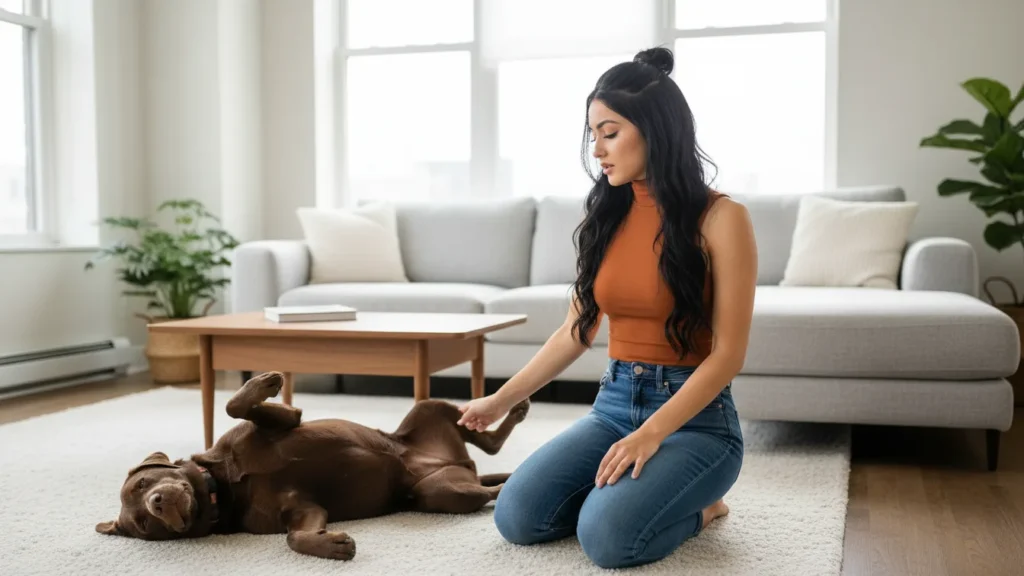
It Starts With Something That Feels Harmless
One night, your dog doesn’t curl up like usual.
Another night, they switch spots.
Stretch out more.
Change sides repeatedly.
They still eat.
They still greet you.
They still seem “mostly fine.”
So the change goes unnoticed.
But veterinarians know this:
Sleeping position is one of the earliest behaviors dogs change when something isn’t right.
Not because they want to alarm you—but because their body is trying to cope quietly.
Why Sleep Is the First Place Dogs Adjust
Sleep is when the body recovers.
When recovery becomes harder—due to pain, inflammation, internal pressure, breathing effort, or temperature changes—the body adapts how it rests before it shows outward illness.
Dogs don’t complain.
They reposition.
That’s why sleeping posture often changes days or weeks before other symptoms appear.
The Instinct Behind Position Changes
In the wild, resting safely and comfortably is survival.
- Reduce strain on painful areas
- Protect vulnerable organs
- Improve breathing efficiency
- Regulate body temperature
When something feels “off,” their instincts guide them into positions that reduce internal stress.
Owners often interpret this as preference.
Vets see it as compensation.
Common Sleeping Positions — And What Changes May Signal
Dogs typically favor one or two consistent positions.
When those patterns shift, it’s worth noticing.
Common changes include:
- Curling less and stretching out more
- Avoiding side-lying positions
- Sleeping upright or with head elevated
- Frequently switching sides
- Choosing harder or cooler surfaces
Each adjustment serves a purpose.
Why Curling Up Becomes Uncomfortable
The classic curled position compresses the abdomen and joints.
Dogs may avoid it when experiencing:
- Abdominal discomfort
- Joint stiffness
- Spinal sensitivity
- Internal pressure or bloating
So they stretch out instead—not for comfort, but for relief.
Why Some Unwell Dogs Sleep More “Open”
An open, stretched position:
- Reduces pressure on joints
- Allows easier breathing
- Improves heat dissipation
This is often seen in dogs dealing with:
- Early arthritis
- Respiratory strain
- Low-grade fever
- Hormonal or metabolic imbalance
It looks relaxed—but it’s often strategic.
The Meaning Behind Frequent Position Switching
Healthy dogs settle and stay settled.
Unwell dogs:
- Shift often
- Wake and reposition
- Change sleeping locations
This usually means they can’t find a position that stays comfortable for long.
That restlessness matters.
Sleeping Spot Changes Are Clues Too
Position isn’t the only signal.
Location matters.
Dogs may suddenly:
- Leave soft beds for the floor
- Sleep away from family
- Seek cooler tiles or shaded areas
- Avoid elevated or cushioned spots
These changes often relate to temperature regulation, joint comfort, or internal discomfort.
A Real-Life Example Vets See Often
A dog who always slept curled on the couch begins sleeping stretched out on the floor.
No limping.
No appetite loss.
No obvious pain.
Weeks later, stiffness becomes noticeable.
The sleeping change was the first adaptation—not the last symptom.
How Sleeping Position Changes Differ From Normal Preference
Not every shift is concerning.
The key difference is consistency over time.
Normal preference change:
- Occasional
- Situational (weather, noise, novelty)
- Resolves quickly
Health-related change:
- Persistent
- Progressive
- Appears across environments
Patterns matter more than individual nights.
Comparison Table: Normal vs Concerning Sleep Changes
| Sleep Behavior | Often Dismissed As | When It May Signal a Problem |
|---|---|---|
| Sleeping stretched out | Comfort | Avoiding joint or abdominal pressure |
| Changing spots often | Restlessness | Difficulty staying comfortable |
| Floor sleeping | Cooling preference | Inflammation or temperature regulation |
| Head elevated | Habit | Breathing or chest discomfort |
| Avoiding curling | Mood | Internal or musculoskeletal strain |
The position itself isn’t the issue.
The change is.
Why This Matters Today
Dogs live longer than ever.
Longer life brings:
- Slow-developing joint changes
- Subtle metabolic shifts
- Gradual internal discomfort
These don’t cause emergencies.
They cause adaptations.
Veterinary guidance from organizations like the American Animal Hospital Association highlights behavioral changes—including sleep habits—as early indicators of declining comfort or health imbalance.
Mistakes Well-Meaning Owners Make
These are easy to fall into.
Common mistakes:
- Assuming “they’re just being cozy”
- Focusing only on eating and walking
- Ignoring nighttime behavior
- Waiting for visible pain
Sleep behavior often changes first, not last.
Hidden Tip Most Owners Don’t Hear
Sleeping positions often change before blood tests show abnormalities.
That’s because sleep reflects comfort, not lab values.
Your observations help vets decide when to look deeper.
Actionable Steps You Can Take
You don’t need to panic.
You need to observe.
Simple things to track:
- Preferred sleeping positions
- Frequency of repositioning
- Sleeping location changes
- Ease of lying down and getting up
- Sleep quality after activity
Noticing trends gives you clarity—not anxiety.
When to Pay Closer Attention
Consider discussing sleep changes with your vet if:
- They persist for weeks
- They worsen gradually
- They accompany subtle behavior shifts
- They limit your dog’s rest quality
Early conversations often prevent later discomfort.
Key Takeaways
- Dogs often change sleeping positions when unwell
- These changes are adaptive, not random
- Sleep posture reflects internal comfort levels
- Persistent shifts matter more than dramatic symptoms
- Observant owners support earlier, gentler care
Frequently Asked Questions
1. Do all sick dogs change sleeping positions?
Not always, but many do—especially in early or mild stages.
2. Can temperature alone cause position changes?
Yes, but temperature-driven changes are usually situational and temporary.
3. Should I change my dog’s bed if positions change?
Comfort adjustments can help, but ongoing changes should still be observed.
4. Are puppies affected the same way?
Yes. Position changes matter at any age.
5. When should I talk to my vet?
If sleep changes are persistent, progressive, or paired with other subtle shifts.
A Calm, Honest Conclusion
Dogs don’t tell us they’re uncomfortable.
They show us.
In how they lie down.
In how they stretch out.
In how often they shift during the night.
When owners learn to notice these quiet signals, they stop reacting late—and start supporting comfort early.
Sometimes, the way your dog sleeps is the most honest message they send.
Disclaimer: This article is for general educational awareness and is not a substitute for personalized veterinary advice. If changes persist or concern you, consult your veterinarian for guidance.

Dr. Chaitanya Solanki is a licensed veterinarian with over 10 years of hands-on clinical experience in companion animal medicine. As the founder of Dr. C.M.’s Pet Clinic, he has treated thousands of dogs and cats, focusing on preventive care, behavior, nutrition, and early disease detection. His writing is evidence-based, clinically informed, and designed to help pet owners make confident, responsible care decisions.
Pingback: Why Dogs Sleep Facing You — The Emotional Meaning Most Owners Never Realize
Pingback: The Early Pain Signs Most Senior Pets Never Show — What They Hide Until It Hurts the Most
Pingback: Why Dogs Get Restless Before Bedtime — The Hidden Signals Most Owners Misread
Pingback: Small Posture Changes That Can Signal Bigger Health Problems
Pingback: Why Sudden Calm Isn’t Always a Good Sign
Pingback: Why Dogs Change Favorite Sleeping Spots — What That Quiet Shift Is Really Telling You
Pingback: Why Dogs Suddenly Avoid Certain Floors — What Their Body May Be Telling You
Pingback: Ashwagandha Sounds Natural for Pet Anxiety — But Here’s What Most People Don’t Realize