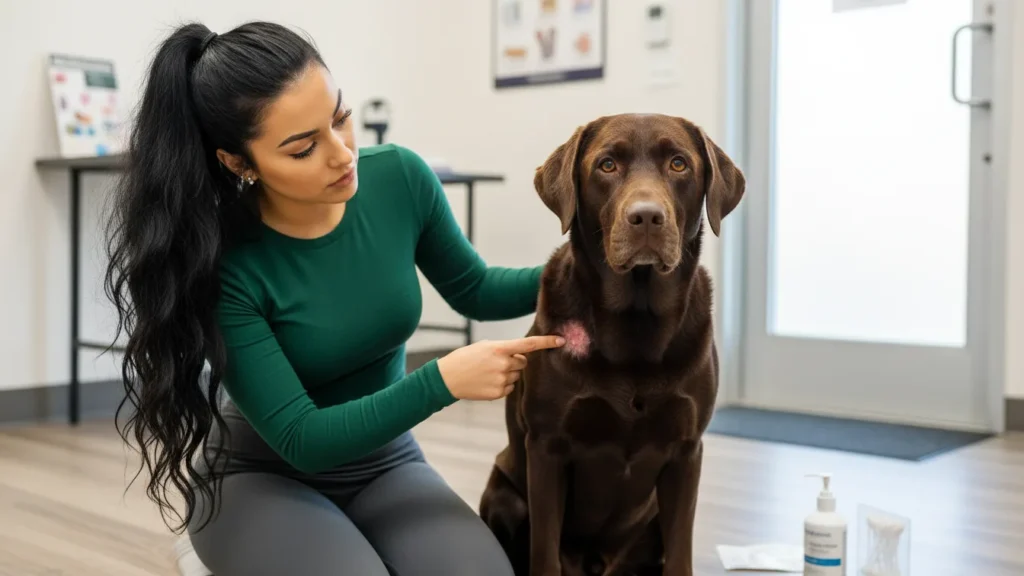
The Frustration Every Owner Eventually Voices
“It clears up while my dog is on antibiotics…
and then it comes back.”
If you’ve said that—or thought it—you’re not alone.
Recurrent skin infections are one of the most emotionally exhausting problems owners face. The cycle feels endless: treatment, relief, relapse. And each time, the instinct is the same—maybe this time we need a stronger antibiotic.
But here’s the uncomfortable truth:
Antibiotics are rarely the real cure for recurrent skin infections.
They’re a temporary solution to a deeper, ongoing problem.
Once you understand why, the cycle finally starts to make sense.
Why Antibiotics Feel Like They’re Working (At First)
Antibiotics do exactly what they’re designed to do.
They reduce bacterial numbers.
They calm visible infection.
They improve redness, odor, and discharge.
For a while, the skin looks better.
The itching settles.
Everyone feels relieved.
But antibiotics do not repair skin, reset immunity, or correct the environment that allowed bacteria to overgrow in the first place.
When treatment stops, the same conditions remain.
And bacteria return—often faster than before.
The Core Problem: Infection Is a Symptom, Not the Disease
This is the most important concept to understand.
A skin infection doesn’t appear out of nowhere.
It requires:
- A weakened skin barrier
- Inflammation or immune imbalance
- Moisture, friction, or trauma
- Disrupted microbial balance
Antibiotics target bacteria only.
They don’t fix the reason bacteria were able to invade.
That’s why recurrence isn’t failure—it’s predictability.
The Skin Barrier: The Missing Piece Most Treatments Ignore
Healthy skin is not just a covering.
It’s an active immune organ.
Its job is to:
- Block pathogens
- Regulate moisture
- Maintain beneficial microbes
- Communicate with the immune system
When this barrier is damaged—even subtly—bacteria gain access.
Common causes of barrier damage include:
- Allergies
- Chronic scratching
- Over-bathing
- Harsh shampoos
- Hormonal imbalance
Until the barrier heals, infections will keep returning—regardless of antibiotic choice.
Why Recurrent Skin Infections Are Becoming More Common
This isn’t coincidence.
Modern dogs face:
- Higher allergy rates
- Environmental stressors
- Genetic narrowing from selective breeding
- Repeated antibiotic exposure
Each factor weakens long-term skin resilience.
Antibiotics may suppress infection—but repeated use without addressing root causes actually increases relapse risk.
The Antibiotic Resistance Trap
Here’s where things quietly get worse.
Each antibiotic course:
- Alters the skin microbiome
- Selects for resistant bacteria
- Reduces microbial diversity
Over time:
- Infections become harder to clear
- Flares happen faster
- Treatment options narrow
This isn’t because antibiotics are “bad.”
It’s because they’re being asked to do a job they were never designed to do.
Why “Stronger” Antibiotics Often Make Things Worse
When recurrence happens, escalation is tempting.
But stronger antibiotics:
- Suppress bacteria more aggressively
- Disrupt protective microbes further
- Increase rebound severity after stopping
This creates a pattern of short-term wins and long-term losses.
What looks like progress is often just deeper dependency.
Recurrent Skin Infections vs Root-Cause Treatment
| Approach | Antibiotics Alone | Root-Cause Management |
|---|---|---|
| Short-term improvement | Yes | Yes |
| Long-term control | No | Yes |
| Skin barrier repair | No | Yes |
| Immune balance | No | Yes |
| Resistance risk | High | Low |
| Relapse frequency | High | Reduced |
This table explains why some dogs stay stuck for years—and others recover.
The Hidden Drivers Antibiotics Can’t Fix
Most recurrent skin infections are fueled by one or more of the following:
1. Allergic Skin Disease
Inflammation weakens skin defenses, allowing bacteria to colonize repeatedly.
2. Yeast Overgrowth
Yeast alters skin chemistry, creating ideal conditions for bacterial infection.
3. Hormonal Imbalances
Thyroid and adrenal issues reduce skin turnover and immunity.
4. Chronic Moisture or Friction
Skin folds, paws, and ears trap moisture—perfect for bacteria.
5. Poor Skin Recovery Between Flares
Each infection leaves skin thinner and more vulnerable.
None of these are solved with antibiotics alone.
A Real-Life Pattern Vets See Constantly
A dog develops a skin infection.
Antibiotics clear it.
Three weeks later, it’s back—same spots.
Repeat cycle → stronger antibiotic → shorter relief → worse flare.
Eventually, the skin looks permanently inflamed.
The turning point comes only when treatment shifts from killing bacteria to rebuilding skin health.
Why This Matters More Than Ever Today
Skin infections aren’t just cosmetic.
Chronic inflammation leads to:
- Persistent discomfort
- Behavioral changes
- Poor sleep
- Reduced quality of life
- Emotional burnout for owners
Breaking the cycle early prevents years of frustration.
What Actually Stops Recurrent Skin Infections
Effective long-term control usually involves layers of care, not a single drug.
That may include:
- Identifying and managing allergies
- Repairing the skin barrier
- Supporting healthy skin microbes
- Targeted topical therapy
- Strategic, limited antibiotic use
When the environment changes, bacteria stop thriving.
Hidden Tip: Timing Matters More Than Duration
Many relapses happen because:
- Antibiotics stop once skin looks better
- Inflammation is still active underneath
Visual improvement doesn’t equal skin recovery.
Healing continues after redness fades.
Mistakes That Keep the Cycle Going
- Repeating antibiotics without reassessment
- Ignoring low-level itching between flares
- Over-washing damaged skin
- Using random topical products
- Treating symptoms instead of patterns
Small missteps accumulate into chronic disease.
Actionable Steps Owners Can Take
- Track flare timing and triggers
- Ask what weakened the skin barrier
- Discuss non-antibiotic support strategies
- Limit antibiotics to clear indications
- Focus on prevention, not reaction
These steps change outcomes.
Key Takeaways
- Antibiotics treat infection, not the cause
- Skin barrier damage drives recurrence
- Stronger antibiotics don’t equal better healing
- Long-term control requires root-cause management
- Prevention is more powerful than repetition
Frequently Asked Questions
1. Do antibiotics ever fully cure skin infections?
They cure the infection episode—but not the condition causing recurrence.
2. Why does the infection return so quickly?
Because the skin environment remains inflamed and vulnerable.
3. Are topical treatments better than oral antibiotics?
Often, yes—especially for maintenance and prevention.
4. Can recurrent infections be controlled long-term?
Yes, when the underlying drivers are identified and managed.
5. Should antibiotics be avoided entirely?
No. They’re valuable tools—just not standalone solutions.
A Clear, Reassuring Conclusion
Recurrent skin infections don’t mean your dog needs stronger medicine.
They mean the skin needs deeper support.
When treatment shifts from fighting bacteria to restoring balance, the cycle finally ends—and healing becomes sustainable.
Disclaimer: This article is for educational purposes only and is not a substitute for individualized veterinary evaluation or treatment.

Dr. Chaitanya Solanki is a licensed veterinarian with over 10 years of hands-on clinical experience in companion animal medicine. As the founder of Dr. C.M.’s Pet Clinic, he has treated thousands of dogs and cats, focusing on preventive care, behavior, nutrition, and early disease detection. His writing is evidence-based, clinically informed, and designed to help pet owners make confident, responsible care decisions.