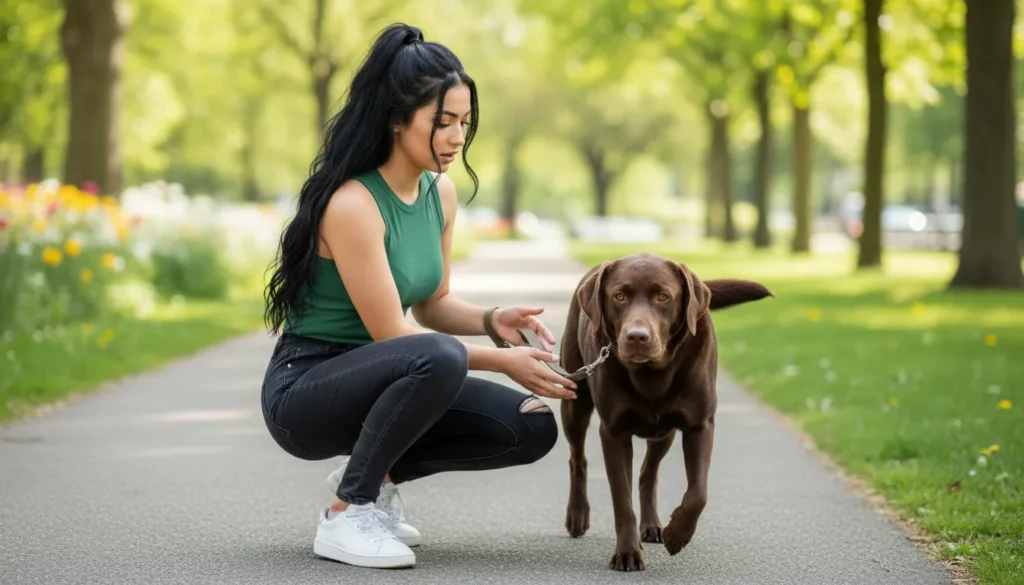
The Limp That Almost Isn’t There
Sometimes it’s not an obvious limp.
Your dog still runs.
Still eats.
Still wags their tail.
But you notice something small:
A lighter step.
A tiny hesitation.
A brief favoring of one leg—then back to normal.
It’s easy to brush off.
“Maybe they slept funny.”
“Maybe it’s nothing.”
“They seem okay now.”
But here’s what many owners don’t realize:
Subtle limping is often how bigger mobility problems begin.
Dogs are experts at compensating. They rarely show discomfort loudly.
So when limping appears—even mildly—it can be one of the clearest early signals that something deserves attention.
Let’s explore when a small limp matters more than it seems, and how to respond with calm, informed care.
Why Dogs Limp Quietly Instead of Dramatically
Most humans expect pain to look obvious.
But dogs often don’t vocalize or exaggerate discomfort.
Instead, they adapt.
Dogs may limp subtly because:
- Instinct discourages showing weakness
- They want to keep up with normal life
- Their body is compensating before the issue worsens
A helpful analogy:
A subtle limp is like a tiny crack in a windshield — easy to ignore at first, but often a sign that stress is building.
Limping is rarely “just random.”
It’s a movement adjustment.
And the body always adjusts for a reason.
Subtle Limping Often Appears Before Full Limping
Many mobility conditions don’t begin suddenly.
They begin as small changes:
- Slight uneven gait after exercise
- Brief limping after waking up
- Hesitation on stairs
- Less jumping confidence
Dogs often test movement first.
They try to push through.
That’s why subtle limping can be more important than dramatic limping:
It’s early.
Early signals give owners the best chance to support comfort before compensation becomes a habit.
The “Warm-Up Limp” After Rest
One of the most common subtle limps is the one that appears:
- After a nap
- In the morning
- After lying down for a while
Then… it improves once the dog starts walking.
Owners often think:
“Oh, they’re fine now.”
But this warm-up pattern is meaningful because stiffness often shows up first when the body is cold and still.
This is common with:
- Early joint changes
- Mild muscle soreness
- Age-related stiffness
The limp fading doesn’t mean nothing happened.
It means movement temporarily loosened the system.
Limping That Comes and Goes Can Still Matter
Intermittent limping is one of the most confusing patterns.
Your dog limps… then doesn’t.
This can happen when discomfort is mild but persistent.
Dogs often compensate until a certain threshold is reached:
- After longer walks
- After high activity
- On slippery surfaces
- When tired at the end of the day
A limp that appears only sometimes can be easier to ignore…
…but it can also indicate an issue building under the surface.
Consistency over weeks matters more than one afternoon.
Subtle Limping Is Often a Sign of Compensation
Dogs don’t just limp.
They redistribute weight.
If one limb feels uncomfortable, the dog may:
- Load more weight onto other legs
- Change posture while standing
- Sit off-center
- Lie down carefully
Over time, compensation can create secondary strain.
A small limp isn’t only about one leg.
It’s about the whole body adjusting around that leg.
That’s why early attention matters.
Comparison Table: Minor Limp vs. Bigger Concern Patterns
| Limp Pattern | Often Temporary | Worth Closer Attention |
|---|---|---|
| Limp after heavy play that resolves quickly | Sometimes | If repeated often |
| Limp only on slippery floors | Common | If paired with stiffness |
| Limp after rest that improves with walking | Common early clue | ✅ If persistent |
| Limp that comes and goes over weeks | Rarely nothing | ✅ Yes |
| Limp with posture changes or hesitation | Uncommon | ✅ Important |
| Sudden limp with refusal to bear weight | Not minor | ✅ Prompt attention |
Paw and Nail Issues: The Overlooked Cause
Not all limping begins in joints.
Sometimes the problem is simpler:
- A cracked nail
- A small object stuck in the paw
- Pad irritation
- Minor toe injury
These often create subtle limping because dogs still want to walk, just more carefully.
Owners sometimes miss paw issues because the leg looks normal.
A quick paw check is always one of the first smart steps when limping appears.
Joint and Soft Tissue Changes Often Start Small
Many owners assume a bigger orthopedic issue would look dramatic.
But joints often begin with whispers, not shouts.
Early discomfort may show up as:
- Slight limp after exercise
- Reluctance to jump
- More stretching
- Weight shifting while standing
Conditions affecting hips, knees, elbows, or shoulders often develop gradually.
The limp is the dog’s way of protecting motion.
It’s not overreaction.
It’s self-preservation.
Aging Dogs and Subtle Limping
Older dogs rarely become suddenly old.
They transition.
Subtle limping may be one of the first signs that:
- Flexibility is reduced
- Strength is changing
- Recovery takes longer
- Surfaces feel less stable
Owners often say:
“He’s just slowing down.”
But slowing down is a real biological shift that deserves support, not dismissal.
Mobility is quality of life.
Early recognition can help dogs stay active longer.
Real-Life Examples Owners Commonly Describe
Many owners notice subtle limping like this:
- “He limps for a few steps, then it disappears.”
- “She’s fine outside, but stiff indoors.”
- “He avoids stairs now, but still plays.”
- “It’s only after long walks.”
These are classic early mobility patterns.
Dogs rarely go from normal to severe overnight.
Most issues begin with small signals like these.
Hidden Tips: How to Observe Limping More Clearly
Subtle limping can be hard to see in real time.
Try these practical observation tips:
- Watch from the side, not head-on
- Look at head movement (dogs often lift the head when a front leg hurts)
- Notice hip sway (hind limb discomfort can shift the rear)
- Compare video from different days
- Observe after rest and after exercise
A simple rule:
Patterns matter more than one moment.
Mistakes Owners Often Make
Even caring owners often:
- Wait for whining
Many dogs never vocalize. - Assume “it went away” means resolved
Intermittent limping often returns. - Keep exercise intensity unchanged
Sometimes rest and observation are needed. - Ignore small posture changes
Limping rarely exists alone. - Delay professional input too long
Early support is usually easier.
You don’t need panic.
You need attention.
Actionable Steps Owners Can Take Right Away
If subtle limping appears, here are safe, helpful actions:
- Check paws and nails gently
- Reduce intense activity for a few days
- Provide traction on slippery floors
- Note when it occurs (morning, after play, evenings)
- Record short videos for comparison
- If it persists, consult a veterinarian for clarity
The goal isn’t to diagnose at home.
It’s to recognize that subtle limping is information.
Why This Matters Today (Evergreen)
Dogs are living longer than ever, and mobility is one of the biggest factors shaping comfort over time.
Subtle limping is one of the earliest signals owners can notice.
It often appears before:
- Full limping
- Loss of activity
- Bigger compensation injuries
Recognizing it early helps preserve movement, confidence, and quality of life.
Small signals today can prevent bigger struggles tomorrow.
Key Takeaways
- Subtle limping is often an early warning, not a harmless quirk
- Dogs commonly compensate quietly before symptoms become obvious
- Limping after rest or intermittent limping deserves attention over time
- Paw issues, joints, and soft tissue changes can all begin subtly
- Observation of patterns is more useful than focusing on one event
- Early veterinary guidance can support comfort and long-term mobility
FAQ: Common Owner Questions
1. Can a dog limp slightly and still be okay?
Sometimes, but repeated or persistent subtle limping is worth attention because it often signals early discomfort.
2. Why does my dog limp only after waking up?
Stiffness after rest is a common early mobility clue, especially in older dogs.
3. Should I rest my dog if the limp is mild?
Reducing intense activity and observing patterns is often helpful while you monitor.
4. Could subtle limping come from the paw?
Yes. Nails, pads, or small toe irritations are common and often overlooked causes.
5. When should I seek professional advice?
If limping lasts more than a day or two, returns repeatedly, worsens, or comes with other behavior changes, it’s a good time to consult a veterinarian.
Conclusion: Small Limp, Big Message
A subtle limp can be easy to dismiss.
But dogs rarely limp without a reason.
Even small changes in gait are the body’s way of protecting itself.
The earlier you notice and respond with calm attention, the better the chance of supporting comfort before problems grow.
Your dog may never whine.
They may never cry out.
But a quiet limp is still a voice.
And it’s worth listening to.

Dr. Chaitanya Solanki is a licensed veterinarian with over 10 years of hands-on clinical experience in companion animal medicine. As the founder of Dr. C.M.’s Pet Clinic, he has treated thousands of dogs and cats, focusing on preventive care, behavior, nutrition, and early disease detection. His writing is evidence-based, clinically informed, and designed to help pet owners make confident, responsible care decisions.