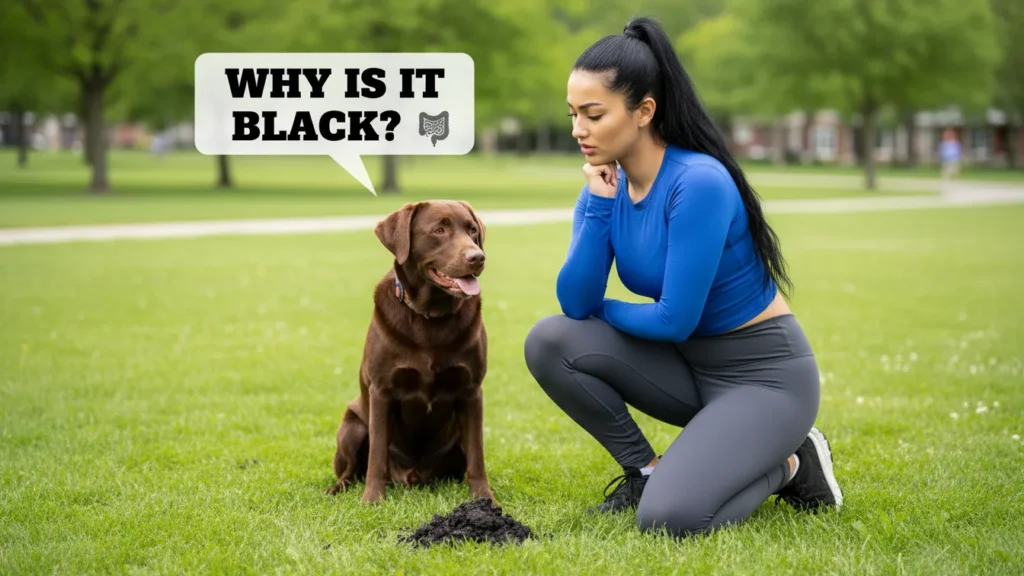
The Daily Detail Most Owners Ignore (But Vets Never Do)
You leash up your dog.
They squat.
You look away.
Bag it.
Move on.
And just like that, one of the most accurate health indicators your dog produces every day goes unnoticed.
In veterinary medicine, stool isn’t gross — it’s information.
Before blood tests.
Before scans.
Before symptoms.
Your dog’s stool quietly reports how their gut, immune system, diet, stress levels, and internal organs are functioning.
And it often speaks months before illness becomes obvious.
Why Stool Is One of the Most Honest Health Signals
Dogs are experts at hiding discomfort.
But digestion doesn’t lie.
Stool reflects:
- How well nutrients are absorbed
- Whether inflammation is present
- How the gut microbiome is functioning
- If stress hormones are affecting digestion
- Whether internal disease is brewing
That’s why many vets say:
“Show me the poop, and I’ll tell you what’s going on.”
What “Normal” Dog Stool Actually Looks Like
Many owners think they know.
Most don’t.
Healthy stool is:
- Chocolate-brown in color
- Firm but not hard
- Log-shaped
- Easy to pick up
- Passed once or twice daily
Anything outside this pattern — even subtly — matters.
Stool Consistency: The Gut’s First Alarm System
1. Too Soft or Mushy
Often linked to:
- Diet changes
- Gut inflammation
- Food intolerance
- Stress
If it persists beyond 48 hours, it’s no longer “normal upset.”
2. Watery Diarrhea
Common causes include:
- Infection or parasites
- Sudden dietary shifts
- Toxin exposure
- Acute inflammation
Dehydration risk rises quickly — especially in puppies and seniors.
3. Very Hard or Pebble-Like
Often indicates:
- Dehydration
- Low fiber intake
- Chronic constipation
- Pain or mobility issues
Hard stool can quietly signal discomfort long before your dog cries out.
Stool Color: What Each Shade Can Mean
Color changes are one of the earliest warning signs.
Brown
Normal and healthy.
Yellow or Orange
May suggest:
- Rapid gut transit
- Liver or bile involvement
- Dietary fat imbalance
Green
Often linked to:
- Grass consumption
- Gut irritation
- Gallbladder or bile changes
Black or Tarry
This is never normal.
It can indicate digested blood from the upper GI tract.
Red Streaks or Blood
Often points to:
- Colitis
- Anal gland issues
- Lower intestinal irritation
Any repeated color change deserves attention.
Mucus in Stool: The Inflammation Indicator
That shiny, jelly-like coating?
It’s mucus.
Small amounts occasionally can be normal — but frequent mucus often means:
- Colon irritation
- Stress-related colitis
- Food sensitivity
- Early inflammatory bowel disease
Stress alone can cause mucus — especially after boarding, travel, or routine changes.
Frequency Matters More Than You Think
Many owners focus only on appearance.
But frequency tells its own story.
- Sudden increase → irritation or malabsorption
- Sudden decrease → dehydration, pain, obstruction
- Straining without stool → constipation or colon inflammation
Consistency over time matters more than a single episode.
The Smell Factor: When Odor Signals Trouble
Yes — dog poop smells.
But extreme, lingering, foul odor can indicate:
- Poor nutrient absorption
- Imbalanced gut bacteria
- High-fat intolerance
- Pancreatic issues
Chronic foul-smelling stool is often one of the earliest digestive red flags vets notice.
Real-Life Example From the Clinic
A dog comes in “just for vaccines.”
Owner casually mentions:
“His poop smells worse lately, but everything else is normal.”
No vomiting.
No appetite change.
No weight loss.
Fecal testing reveals malabsorption.
Diet adjustment + gut support = problem resolved early.
Ignored for months?
That same issue often progresses into chronic disease.
What Stool Can Reveal Before Blood Tests Do
Stool changes may appear before:
- Kidney markers shift
- Liver enzymes rise
- Weight loss begins
This is why preventive vets emphasize daily observation.
Organizations such as the American Veterinary Medical Association consistently highlight gastrointestinal signs as early indicators of systemic disease.
Common Owner Mistakes That Delay Diagnosis
Many loving owners unintentionally ignore stool clues by:
- Blaming food every time
- Assuming stress “doesn’t matter”
- Waiting for vomiting or pain
- Normalizing chronic soft stool
The gut doesn’t shout — it whispers.
A Simple Stool Comparison Guide
| Stool Feature | Likely Meaning | Action |
|---|---|---|
| Firm, brown, formed | Healthy digestion | Maintain routine |
| Soft but formed | Mild imbalance | Monitor diet |
| Watery diarrhea | Acute irritation | Vet if persists |
| Black/tarry | Internal bleeding | Immediate vet visit |
| Mucus-coated | Colon inflammation | Vet evaluation |
| Extremely foul odor | Malabsorption | Diagnostic testing |
Why This Matters Today (And Always Will)
Modern dogs face:
- Highly processed diets
- Environmental stress
- Reduced gut diversity
Digestive health is now one of the most common sources of chronic disease in dogs.
And stool is the earliest warning system you have.
Actionable Steps for Pet Parents
- Observe stool daily — don’t just clean it
- Note changes lasting more than 48 hours
- Keep diet changes gradual
- Report stool changes during vet visits
- Bring a fresh sample when advised
Your observation often matters as much as the exam.
Key Takeaways
- Stool is a daily health report
- Small changes often come first
- Consistency, color, smell all matter
- Digestive signs appear before many diseases
- Early attention prevents chronic problems
What you notice today protects your dog tomorrow.
Frequently Asked Questions
1. Is occasional soft stool normal?
Yes, occasionally. Persistent changes are not.
2. Should I worry about mucus once?
Once isn’t alarming. Repeated mucus deserves attention.
3. Does stress really affect dog poop?
Absolutely. Stress directly alters gut movement and inflammation.
4. Can diet alone fix stool problems?
Sometimes — but recurring issues need investigation.
5. When should I see a vet?
If changes last over 48 hours, worsen, or involve blood, pain, or lethargy.
A Calm, Honest Conclusion
Your dog can’t explain how they feel.
But their body already is — quietly, consistently, and honestly.
When you start paying attention to what their stool is telling you, you move from reacting to illness to preventing it.
And sometimes, the smallest daily details make the biggest difference.
Disclaimer: This article is for general educational purposes and does not replace personalized veterinary advice. Consult your veterinarian if you notice persistent or concerning changes.

Dr. Chaitanya Solanki is a licensed veterinarian with over 10 years of hands-on clinical experience in companion animal medicine. As the founder of Dr. C.M.’s Pet Clinic, he has treated thousands of dogs and cats, focusing on preventive care, behavior, nutrition, and early disease detection. His writing is evidence-based, clinically informed, and designed to help pet owners make confident, responsible care decisions.
Pingback: Why Pets That Look Perfectly Healthy Still Struggle With Gut Problems
Pingback: Why Slight Weight Loss Is More Serious Than It Looks in Dogs — The Quiet Warning Most Owners Miss
Pingback: What Vets Notice First When a Dog Is Unwell — The Silent Clues Most Owners Miss Until It’s Too Late
Pingback: The Overlooked Sign of Organ Stress in Dogs — Why “Nothing Seems Wrong” Is Often the First Warning
Pingback: Why Stool Texture Matters More Than Owners Realize — The Quiet Health Signals Hidden in Your Dog’s Poop
Pingback: The Nutrition Clues Hidden in Your Pet’s Bathroom Habits — What Vets Learn From What Owners Overlook
Pingback: What Vets Notice in Stool Color Long Before Symptoms Become Obvious