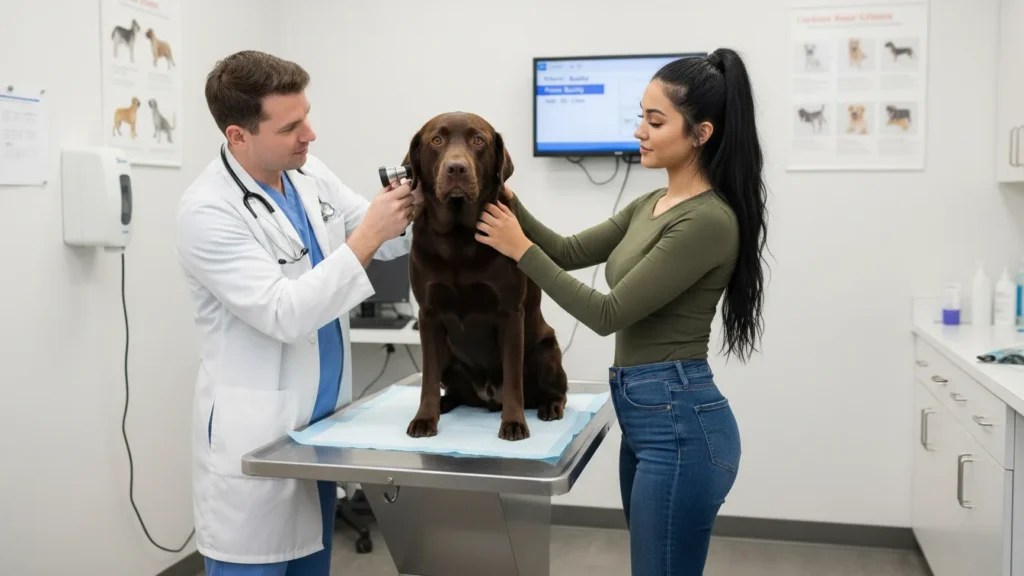
The Test Many Pet Parents Underestimate
Your pet seems fine.
They eat well.
They play normally.
They sleep peacefully.
So when a veterinarian suggests routine blood tests, many owners hesitate.
“Do we really need this right now?”
“They’re not showing any symptoms.”
That reaction is completely natural.
But here’s what most people don’t realize:
Routine blood tests are not designed to confirm illness.
They’re designed to spot trouble while it’s still silent.
Why Blood Tests Can See What You Can’t
Blood flows through every organ.
That makes it one of the earliest places where the body leaves clues when something isn’t quite right.
Long before a pet:
- Stops eating
- Loses weight
- Becomes lethargic
Their blood chemistry often shifts subtly.
These changes don’t mean disease yet—but they signal stress, imbalance, or early dysfunction.
That’s the power of routine blood work.
What “Routine Blood Tests” Actually Include
Routine screening doesn’t mean exhaustive testing.
It usually includes a few key panels that assess how the body is functioning overall:
- Complete Blood Count (CBC)
- Biochemistry / Organ Function Panel
- Sometimes electrolytes or basic thyroid screening
Together, these offer a snapshot of:
- Oxygen delivery
- Immune activity
- Organ workload
- Metabolic balance
Think of it as checking the engine before the warning light turns on.
What Blood Tests Can Reveal Before Symptoms Appear
1. Early Kidney Stress
Kidneys are excellent at compensating.
Blood tests can show:
- Rising waste products
- Early concentration changes
- Subtle electrolyte shifts
All before thirst, urination changes, or appetite loss appear.
Early dietary or lifestyle adjustments at this stage can slow progression dramatically.
2. Liver Strain Before Visible Illness
The liver has an enormous reserve capacity.
Blood work may reveal:
- Mild enzyme elevations
- Early fat metabolism issues
- Subclinical inflammation
Pets often look completely normal while this is happening.
Catching it early can prevent long-term liver damage.
3. Hidden Inflammation or Infection
CBC results can uncover:
- Elevated white blood cells
- Shifts suggesting chronic inflammation
- Immune stress without fever or pain
This helps vets investigate before infection becomes severe.
4. Anemia Before Weakness Appears
Blood tests can detect:
- Reduced red blood cells
- Poor oxygen-carrying capacity
This often develops quietly, especially in growing, aging, or parasite-exposed pets.
By the time weakness shows, anemia is often advanced.
5. Metabolic and Nutritional Imbalances
Blood chemistry can reveal:
- Protein deficiencies
- Mineral imbalances
- Blood sugar instability
Even when diet seems “good,” absorption or metabolism may not be ideal.
Why Pets Rarely Show Early Symptoms
Animals are biologically wired to hide weakness.
In the wild, showing illness means vulnerability.
That instinct still exists in domestic pets.
So instead of obvious symptoms, early disease often looks like:
- Slightly less stamina
- Minor behavior changes
- Subtle shifts in appetite
Blood tests catch what behavior doesn’t show.
A Simple Comparison: Blood Tests vs Waiting for Symptoms
| Aspect | Routine Blood Tests | Waiting for Symptoms |
|---|---|---|
| Detection timing | Very early | Often late |
| Disease severity | Mild or reversible | Often advanced |
| Treatment complexity | Simple adjustments | Intensive care |
| Pet discomfort | Minimal | Often significant |
| Long-term outcome | Better | More uncertain |
This difference explains why vets emphasize early screening—even in healthy-looking pets.
Real-Life Example: A “Normal” Checkup That Wasn’t
A 4-year-old dog came in for routine blood work before dental cleaning.
No symptoms.
Normal activity.
Good appetite.
Blood tests revealed early liver enzyme elevation.
With:
- Diet modification
- Weight management
- Follow-up monitoring
The issue stabilized.
Without blood work, this would likely have gone unnoticed for years—until symptoms appeared much later.
Why This Matters More Than Most Owners Realize
Many pet illnesses don’t progress suddenly.
They accumulate quietly.
Routine blood tests help:
- Establish a normal baseline
- Detect small changes over time
- Spot trends, not just abnormalities
This trend-based insight is far more valuable than one emergency test during illness.
Common Mistakes Pet Owners Make with Blood Tests
Even well-meaning owners sometimes:
- Skip blood tests if pets “look fine”
- Do tests only during illness
- Ignore mild abnormalities
- Don’t repeat tests for comparison
The real value lies in consistency, not urgency.
Hidden Tip: Baseline Results Are Gold
The best blood test is often the one done when your pet is healthy.
Why?
- It shows what “normal” looks like for your pet
- Small future changes become obvious earlier
- It prevents overreaction or underreaction later
Baseline testing turns blood work into a long-term health tool—not just a diagnostic test.
When Vets Commonly Recommend Routine Blood Tests
Routine blood screening is often suggested:
- During annual wellness exams
- Before anesthesia or surgery
- In young pets to establish baseline values
- In middle-aged pets for trend monitoring
- In senior pets for early disease detection
This isn’t about age—it’s about risk management.
Actionable Steps for Pet Parents
If you want to use blood tests wisely:
- Ask your vet what panels are most appropriate
- Start with baseline testing when your pet is healthy
- Keep copies of past reports
- Ask about trends, not just “normal” ranges
- Follow up on mild changes instead of ignoring them
Small actions early prevent big problems later.
Why Routine Blood Tests Aren’t About Fear
This is important to understand.
Blood tests aren’t done because something is expected to be wrong.
They’re done because:
- Prevention works best quietly
- Early care is gentler and cheaper
- Knowledge reduces uncertainty
Most routine tests come back normal—and that reassurance itself has value.
Key Takeaways
- Blood tests reveal internal changes before symptoms appear
- Organs often show stress long before visible illness
- Routine screening allows early, gentle intervention
- Baseline tests improve long-term monitoring
- Preventive blood work protects quality of life
Frequently Asked Questions
1. Are routine blood tests safe for pets?
Yes. They require minimal blood and are very safe when done by trained professionals.
2. How often should routine blood tests be done?
Usually annually or as recommended based on age, breed, and health history.
3. My pet hates vet visits—are blood tests still worth it?
Yes. One brief visit can prevent far more stressful treatments later.
4. Do abnormal results always mean disease?
No. Many mild changes indicate stress or early imbalance—not illness.
5. Are routine blood tests expensive?
They are usually far less costly than treating advanced disease discovered late.
A Calm, Honest Conclusion
Your pet doesn’t need to look sick for something to be starting.
Routine blood tests quietly listen to what the body is saying beneath the surface.
Not to scare you.
Not to overtest.
But to protect the years you haven’t reached yet.
Sometimes, the best care happens long before anything looks wrong.
Disclaimer: This article is for general educational purposes only and does not replace professional veterinary advice or diagnosis.

Dr. Chaitanya Solanki is a licensed veterinarian with over 10 years of hands-on clinical experience in companion animal medicine. As the founder of Dr. C.M.’s Pet Clinic, he has treated thousands of dogs and cats, focusing on preventive care, behavior, nutrition, and early disease detection. His writing is evidence-based, clinically informed, and designed to help pet owners make confident, responsible care decisions.