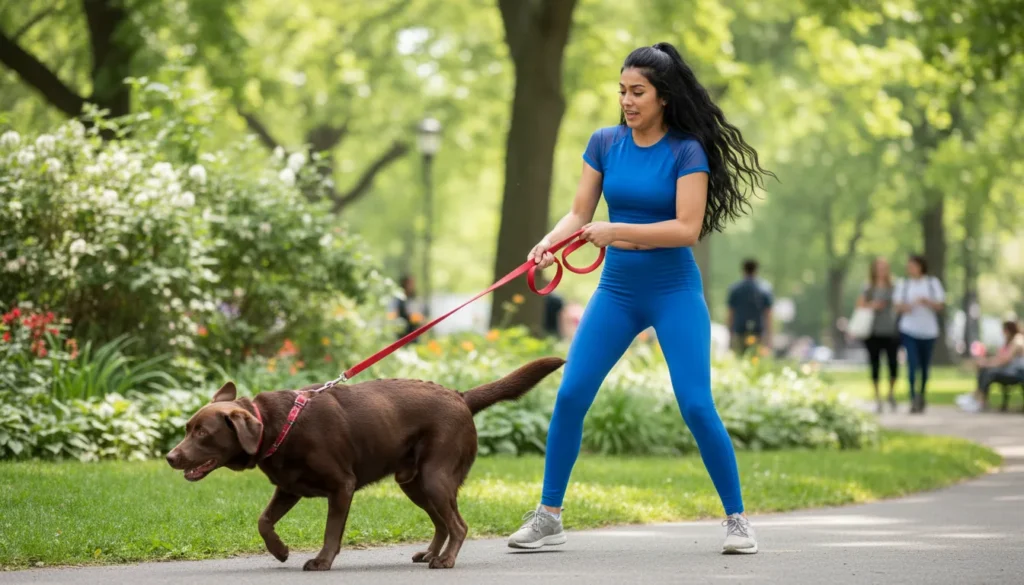
Have you ever experienced this?
Inside the house, your dog is calm.
They listen.
They nap peacefully.
They follow you like a shadow.
Then you step outside…
Suddenly they transform.
Pulling on the leash.
Ignoring commands.
Sniffing like their life depends on it.
Reacting to every sound.
It can feel like you have two completely different dogs:
One indoors.
One outdoors.
And many owners secretly wonder:
“Is my dog being stubborn… or is something else happening?”
The truth is, your dog isn’t misbehaving.
Their brain is simply switching modes.
Because indoors and outdoors are not just different environments…
They are different worlds to a dog.
Let’s explore the fascinating science, psychology, and instincts behind why dogs act so differently inside vs outside—and what it reveals about their minds.
Indoors and Outdoors Trigger Two Completely Different Brain States
Humans experience the outdoors visually.
Dogs experience it neurologically.
Outside is not just “fresh air.”
Outside is a sensory explosion.
A dog’s brain must instantly process:
- Thousands of smells
- Movement in every direction
- Strange sounds
- Other animals
- Social signals
- Potential threats
Indoors is familiar.
Outdoors is unpredictable.
So the brain flips a switch:
Home Mode → Exploration Mode
That shift changes everything.
Inside = Safety and Predictability
Your home is your dog’s emotional base camp.
It smells familiar.
It follows routines.
It contains the people and objects they know.
Inside, most dogs feel:
- Safe
- Relaxed
- Controlled
- Socially connected
That’s why indoors you often see:
- More obedience
- More calmness
- More focus on you
Their nervous system isn’t on high alert.
Home tells their body:
“You can rest now.”
Outside = Instinct and High Alert
Outdoors activates the ancient part of the canine brain.
Even in modern pet dogs, the outside world triggers instincts built for survival:
- Scanning
- Tracking
- Hunting curiosity
- Social awareness
Outside is not “a walk.”
Outside is information gathering.
To a dog, stepping outdoors is like opening 50 browser tabs at once.
Their brain becomes busy—fast.
The Nose Explains Everything
Dogs experience reality through scent more than sight.
A human sees a tree.
A dog smells:
- Every dog that passed by
- What they ate
- How long ago
- Whether they were stressed
- Whether they were male or female
Scientists estimate dogs have up to 300 million scent receptors, compared to about 6 million in humans.
That means outdoors is basically a living newspaper.
So when your dog ignores you outside…
They’re not “disrespecting.”
They’re reading the world.
Why Dogs Listen Better Indoors Than Outdoors
Indoors, distractions are limited.
Outdoors, your voice competes with:
- Birds
- Cars
- People
- Dogs barking
- Wind sounds
- Scent trails
This is called sensory competition.
Your dog’s brain can only focus on so much at once.
So obedience often drops outdoors—not because training failed…
But because stimulation multiplies.
Real-Life Example: The Perfect Dog Who “Forgets Everything” Outside
Many owners say:
“My dog is amazing at home. Outside, it’s like they’ve never been trained.”
This is extremely common.
It’s because dogs don’t automatically generalize learning.
A “sit” inside does not always feel like the same “sit” outside.
Different environment = different context in the brain.
Training must be practiced in multiple places to truly stick.
Outdoors Activates the Seeking System
In animal behavior science, dogs have a brain circuit called the seeking system.
This system drives:
- Curiosity
- Exploration
- Sniffing
- Movement
- Scanning
Outdoors activates this fully.
That’s why dogs may seem:
- More energetic
- More distracted
- More intense
They’re not being naughty.
They’re being neurologically switched on.
Indoors Encourages Social Bonding Behavior
Inside the home, dogs often focus on people.
That’s because home is where social connection happens:
- Feeding
- Comfort
- Play
- Cuddling
- Rest
So indoors, dogs often display:
- Attachment behaviors
- Calm following
- Eye contact
- Relaxed posture
Outside, the environment becomes the priority.
Inside: “You are my world.”
Outside: “The world is my world.”
Why Some Dogs Become Reactive Outdoors
Outdoors is filled with unpredictability.
Some dogs feel overwhelmed by:
- Sudden noises
- Strangers approaching
- Other dogs
- Fast movement
Their nervous system may interpret these as potential threats.
That can trigger:
- Barking
- Lunging
- Hypervigilance
- Fear-based behavior
This doesn’t mean your dog is aggressive.
It often means your dog is overstimulated or unsure.
Hidden Tip: Outdoors Is Harder for Shy or Rescue Dogs
Rescue dogs often struggle more outside because:
- They haven’t built safety associations yet
- They may carry past fear memories
- Everything feels new
Indoors becomes secure faster.
Outdoors takes longer.
For these dogs, outdoor calmness must be slowly taught—not forced.
Why Dogs Sniff More Than They Walk
Humans think walks are about movement.
Dogs think walks are about scent processing.
Sniffing is not wasted time.
Sniffing is mental enrichment.
Studies show sniffing lowers stress and increases satisfaction.
So when your dog stops constantly…
They’re not delaying you.
They’re experiencing life.
The Backyard vs The Street: Even Outdoors Has Levels
Not all outdoor environments trigger the same behavior.
A quiet backyard may feel safe.
A busy street may feel chaotic.
Your dog’s behavior changes based on:
- Noise level
- Scent density
- Social exposure
- Space openness
A dog who is calm in one outdoor space may struggle in another.
That’s normal.
Mistakes Owners Make When Dogs Behave Differently Outside
1. Assuming the Dog Is Being Defiant
Most outdoor behavior is sensory, not emotional rebellion.
Your dog isn’t ignoring you to challenge you.
They’re overwhelmed or engaged.
2. Overcorrecting Instead of Refocusing
Harsh pulling or constant “No!” often increases stress.
Better approach:
- Increase distance
- Use higher-value rewards
- Practice calm engagement
3. Skipping Outdoor Training Gradually
Many owners train only indoors…
Then expect perfection outdoors.
Dogs need step-by-step exposure:
Home → Yard → Quiet street → Busy park
Actionable Steps: Helping Your Dog Stay Balanced Everywhere
Here’s what truly works:
✅ Practice Commands in Multiple Locations
Sit shouldn’t only mean “sit in the kitchen.”
Train in:
- Hallways
- Driveways
- Parks
- Sidewalks
Context builds reliability.
✅ Use Sniffing as a Reward
Instead of fighting sniffing…
Use it.
Ask for a “sit,” then say:
“Go sniff!”
This turns the outdoors into a cooperative game.
✅ Shorten Expectations Outdoors
Outside is harder.
Start with small wins:
- 3 seconds of focus
- One calm step
- One successful recall
Progress builds confidence.
✅ Watch for Sensory Overload
Signs your dog is overwhelmed:
- Constant scanning
- Refusing treats
- Sudden pulling
- Shaking off repeatedly
If you see this, reduce stimulation.
Calm comes before training.
✅ Build Outdoor Safety Rituals
Dogs relax when walks feel predictable.
Try:
- Same leash routine
- Calm pause before leaving
- Soft voice cues
- Slow start
Small rituals create trust.
Why This Matters Today (Evergreen Truth)
Modern dogs live in two worlds:
The indoor human world of calm…
And the outdoor animal world of instinct.
Understanding the difference prevents frustration.
It helps you stop asking:
“What’s wrong with my dog?”
And start asking:
“What is my dog experiencing right now?”
That shift changes everything.
The Big Takeaway
Your dog isn’t two different animals.
They’re one brilliant brain adapting to two environments.
Indoors, they feel safe and connected.
Outdoors, they feel alive, alert, and flooded with sensory meaning.
When you recognize that…
You stop fighting the change.
You guide it.
And you become the calm center in both worlds.

Dr. Chaitanya Solanki is a licensed veterinarian with over 10 years of hands-on clinical experience in companion animal medicine. As the founder of Dr. C.M.’s Pet Clinic, he has treated thousands of dogs and cats, focusing on preventive care, behavior, nutrition, and early disease detection. His writing is evidence-based, clinically informed, and designed to help pet owners make confident, responsible care decisions.