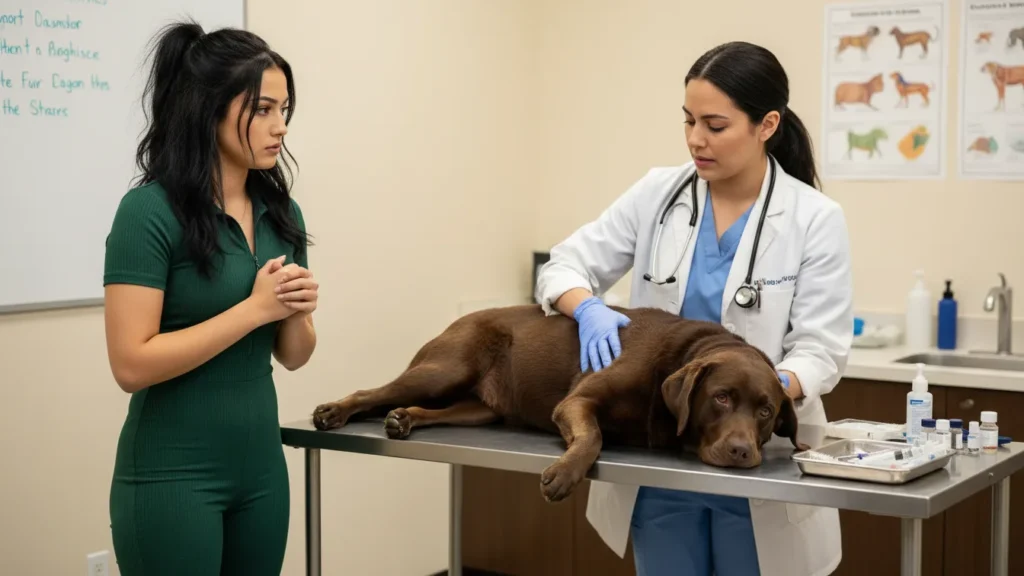
The Illnesses You Never Hear About—Because They Never Happen
Some of the most important victories in pet health are invisible.
They don’t involve:
- Emergency visits
- Late-night panic
- Expensive treatments
They involve something much quieter.
A disease that never fully develops.
A condition that never reaches symptoms.
A crisis that never arrives.
This is the side of preventive care most pet parents never see—but benefit from the most.
Why Prevention Works Better Than Treatment
Treatment reacts.
Preventive care intercepts.
Most diseases don’t appear suddenly. They develop through:
- Early imbalance
- Gradual internal stress
- Compensation by the body
- Eventual breakdown
Preventive care works in the earliest phases—when the body is still flexible, resilient, and responsive.
That’s why it can stop problems before they earn a name.
What Preventive Care Really Includes
Preventive care isn’t about doing everything all the time.
It’s about:
- Right tests
- Right timing
- Right frequency
Common preventive elements include:
- Routine wellness exams
- Early blood and urine screening
- Parasite prevention
- Dental assessments
- Weight and nutrition monitoring
Individually, these seem simple.
Together, they quietly block disease progression.
Health Problems Preventive Care Often Stops Early
1. Chronic Kidney Disease (Early Stages)
Kidney disease rarely starts with symptoms.
Preventive screening can detect:
- Subtle waste product increases
- Early urine concentration changes
With early intervention:
- Disease progression slows
- Diet changes reduce organ strain
- Quality of life is preserved for years
Without prevention, kidney disease often isn’t noticed until damage is advanced.
2. Liver Disease Before Organ Damage Sets In
The liver compensates exceptionally well.
Preventive care catches:
- Mild enzyme elevations
- Early fat metabolism issues
- Subclinical inflammation
Addressing these early can prevent permanent liver damage.
Once symptoms appear, options narrow significantly.
3. Dental Disease That Leads to Systemic Illness
Dental disease doesn’t just affect teeth.
Unchecked, it contributes to:
- Chronic inflammation
- Heart and kidney stress
- Immune system overload
Preventive dental checks stop infection before bacteria spread beyond the mouth.
4. Obesity-Related Diseases
Weight gain doesn’t feel like a disease—until it is.
Preventive care identifies:
- Early weight trends
- Metabolic risk
- Joint stress
By intervening early, vets help prevent:
- Diabetes
- Arthritis
- Heart strain
Small adjustments early prevent lifelong complications.
5. Parasite-Related Illnesses
Not all parasite infections are obvious.
Preventive care blocks:
- Chronic intestinal irritation
- Nutrient malabsorption
- Immune suppression
Routine screening and prevention stop long-term damage before symptoms ever appear.
6. Early Heart Disease Progression
Heart disease often starts silently.
Preventive exams detect:
- Subtle murmurs
- Early rhythm changes
- Blood pressure shifts
Early monitoring prevents sudden heart failure emergencies.
Why These Problems Often Go Unnoticed at Home
Pets don’t show illness the way humans do.
They:
- Hide discomfort
- Maintain routine behavior
- Adapt until they can’t
This means early disease often looks like:
- Normal aging
- Slight personality change
- Minor energy loss
Preventive care bridges the gap between what pets hide and what medicine can detect.
A Simple Comparison: Prevented vs Treated Disease
| Factor | Preventive Care | Late Treatment |
|---|---|---|
| Disease stage | Early or avoided | Advanced |
| Pet comfort | High | Often reduced |
| Cost over time | Lower | Higher |
| Stress level | Minimal | Significant |
| Long-term outcome | Stable | Often managed, not reversed |
The difference isn’t better medicine—it’s earlier action.
Real-Life Example: The Problem That Never Became One
A young adult dog underwent routine preventive blood screening.
No symptoms.
Normal activity.
Healthy appetite.
Results showed early metabolic imbalance.
With:
- Minor diet changes
- Weight monitoring
- Follow-up screening
The issue normalized.
No disease label.
No medication.
No emergency.
That’s preventive care working quietly.
Why This Matters More Than Most Owners Realize
Modern pets live longer lives.
Longer lives mean:
- More time for silent disease to develop
- Greater reliance on early detection
- Higher impact of small preventive steps
Preventive care doesn’t just add years—it improves the quality of those years.
Common Preventive Care Mistakes (And How to Avoid Them)
Many caring owners unintentionally:
- Skip exams when pets look fine
- Delay screening until symptoms appear
- Underestimate small abnormalities
- Treat prevention as optional
The fix isn’t doing more—it’s doing things earlier and consistently.
Hidden Tip: Normal Results Are a Success Story
One of the most overlooked benefits of preventive care is reassurance.
Normal results mean:
- Organs are functioning well
- Current routines are working
- There’s a reliable baseline for the future
Preventive care isn’t only about finding problems—it’s about confirming health.
Actionable Steps to Strengthen Preventive Care
You don’t need to overhaul everything.
Start with:
- Annual wellness exams
- Age-appropriate screening tests
- Weight and dental checks
- Parasite prevention consistency
- Open conversations with your vet
Consistency beats intensity every time.
Why Preventive Care Is About Hope, Not Fear
Preventive care isn’t driven by worry.
It’s driven by:
- Respect for how disease develops
- Confidence in early action
- Desire to protect future comfort
Most preventive visits end with peace of mind—and that matters.
Key Takeaways
- Many serious pet health problems start silently
- Preventive care stops progression before symptoms appear
- Early detection preserves treatment options
- Consistent monitoring prevents emergencies
- The best outcomes often leave no dramatic stories
Frequently Asked Questions
1. Can preventive care really stop diseases from developing?
In many cases, yes—by detecting imbalance before irreversible damage occurs.
2. Is preventive care necessary if my pet is young?
Yes. Early baselines and monitoring reduce risk later in life.
3. Does preventive care replace emergency care?
No—but it dramatically reduces the likelihood of emergencies.
4. How often should preventive exams be done?
Typically annually, or more often if your vet recommends.
5. Is preventive care worth the cost?
It’s usually far less costly than treating advanced disease.
A Calm, Honest Conclusion
Some of the best moments in pet healthcare never feel dramatic.
They feel routine.
Reassuring.
Quiet.
And that’s the point.
Preventive care doesn’t fight disease after it appears.
It protects your pet from becoming a patient in the first place.
Disclaimer: This article is for general educational purposes only and does not replace professional veterinary advice or diagnosis.

Dr. Chaitanya Solanki is a licensed veterinarian with over 10 years of hands-on clinical experience in companion animal medicine. As the founder of Dr. C.M.’s Pet Clinic, he has treated thousands of dogs and cats, focusing on preventive care, behavior, nutrition, and early disease detection. His writing is evidence-based, clinically informed, and designed to help pet owners make confident, responsible care decisions.
Pingback: The Early Health Changes Bloodwork Detects First — What Blood Reveals Long Before Symptoms Appear
Pingback: Why Preventive Medicine Extends Lifespan — The Quiet Choices That Add Years Before Illness Ever Begins