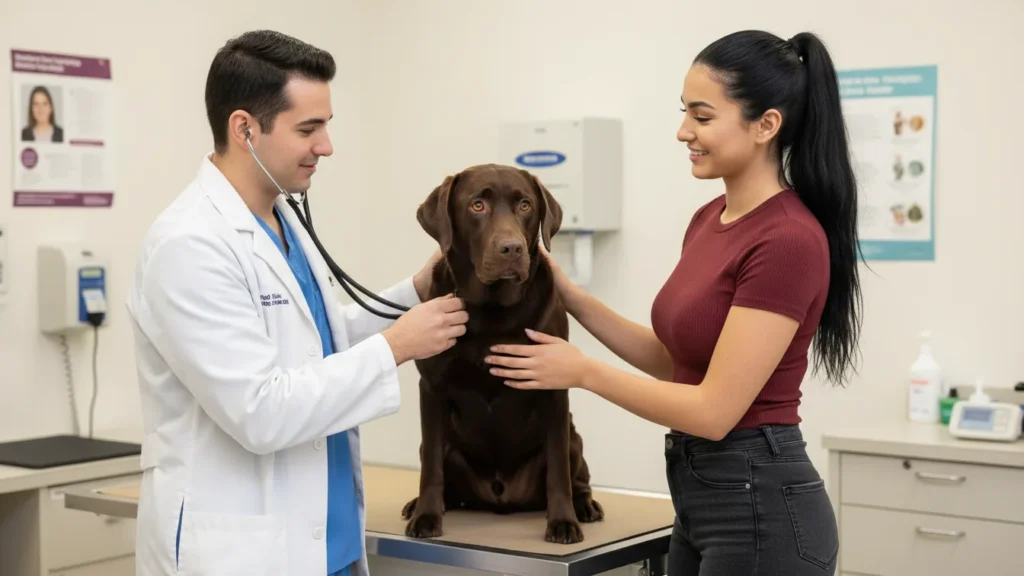
The Most Dangerous Diseases Don’t Announce Themselves
Most pet parents expect illness to be obvious.
They look for:
- Pain
- Appetite loss
- Lethargy
- Vomiting or diarrhea
But some of the most serious diseases don’t start this way at all.
They progress quietly—slowly reshaping the body while your pet continues to eat, play, and act “normal.”
By the time symptoms appear, the disease is often well advanced.
That’s why veterinarians worry less about dramatic illness—and more about what’s happening silently in between visits.
Why Some Diseases Stay Invisible for So Long
Pets are biologically designed to hide weakness.
In nature, showing illness means vulnerability.
As a result:
- Early discomfort is masked
- Energy is conserved internally
- The body compensates instead of complaining
At the same time, many organs—like the liver and kidneys—have huge reserve capacity.
They can lose significant function before outward signs appear.
This combination creates the perfect environment for silent disease progression.
The Difference Between “No Symptoms” and “No Disease”
This distinction matters.
“No symptoms” does not mean:
- Everything is normal
- Organs are functioning optimally
- Disease isn’t developing
It often means the body is still coping.
Disease progression usually follows this pattern:
- Early imbalance
- Compensation
- Silent damage
- Subtle signs
- Obvious illness
Most owners only notice stages 4 or 5.
Veterinary preventive care aims to catch stages 1 and 2.
Diseases That Commonly Progress Quietly
1. Chronic Kidney Disease (CKD)
Kidneys are masters of compensation.
A pet can lose up to 60–70% of kidney function before symptoms become obvious.
Early silent signs include:
- Mild blood chemistry changes
- Subtle urine concentration issues
Visible symptoms—like increased thirst or weight loss—appear much later.
2. Liver Disease
The liver is incredibly resilient.
Early liver disease may show:
- Slight enzyme elevation
- Fat metabolism changes
- Mild inflammation
All while your pet:
- Eats normally
- Plays actively
- Shows no pain
Once symptoms appear, liver damage is often significant.
3. Heart Disease (Early Stages)
Heart disease rarely begins with collapse or coughing.
Early stages involve:
- Minor structural changes
- Subtle blood pressure shifts
- Early workload imbalance
Pets often appear completely healthy until the disease reaches a tipping point.
4. Dental Disease With Systemic Impact
Dental disease doesn’t stay in the mouth.
Silent progression can lead to:
- Chronic inflammation
- Bacterial spread to organs
- Immune system strain
Many pets continue eating despite severe dental infection—masking the damage happening internally.
5. Endocrine Disorders (Hormonal Imbalances)
Conditions involving hormones often develop gradually.
Early signs may look like:
- “Normal aging”
- Minor coat changes
- Slight behavior shifts
By the time classic symptoms appear, hormone imbalance has often affected multiple body systems.
Why These Diseases Are Often Missed at Home
Silent diseases don’t fit our mental picture of illness.
They don’t cause:
- Sudden emergencies
- Obvious pain
- Dramatic behavior changes
Instead, they cause:
- Gradual shifts
- Slow internal strain
- Changes that feel easy to ignore
This isn’t carelessness—it’s biology.
A Clear Comparison: Silent Progression vs Early Detection
| Factor | Silent Progression | Early Detection |
|---|---|---|
| Symptom visibility | Absent or subtle | Often none |
| Disease stage at discovery | Advanced | Early |
| Treatment options | Limited | Broad |
| Stress on pet | High | Minimal |
| Long-term outcome | Uncertain | More stable |
The earlier disease is detected, the more control everyone has.
Real-Life Example: The Cost of Quiet Progression
A middle-aged cat came in for sudden weight loss and lethargy.
Diagnosis: advanced kidney disease.
Looking back:
- Blood work years earlier showed mild abnormalities
- No symptoms were present at the time
- Follow-up testing was skipped
The disease didn’t start suddenly—it progressed quietly.
Earlier monitoring could have slowed progression significantly.
Why This Matters Today More Than Ever
Modern pets live longer than ever before.
Longevity is a gift—but it comes with responsibility.
Longer life means:
- More time for silent diseases to develop
- Greater importance of early detection
- Higher impact of small preventive actions
Quiet diseases thrive in long timelines.
Prevention interrupts that silence.
Common Mistakes That Allow Silent Diseases to Progress
Many caring pet parents unknowingly:
- Wait for symptoms before acting
- Skip routine screening
- Assume youth or energy equals health
- Focus only on emergencies
These habits don’t cause disease—but they allow it to remain hidden.
Hidden Tip: Stability Over Time Matters More Than One “Normal” Test
A single normal test is reassuring—but trends are more powerful.
Veterinarians look for:
- Gradual changes
- Values drifting over time
- Patterns, not spikes
This is why routine monitoring—not one-time testing—makes the biggest difference.
How Silent Diseases Are Usually Detected
Early detection often happens through:
- Routine wellness exams
- Blood and urine screening
- Blood pressure monitoring
- Dental evaluations
None of these are dramatic—but together, they uncover what symptoms can’t.
Actionable Steps to Reduce the Risk of Silent Disease
You don’t need to overdo it.
Start with:
- Regular wellness visits
- Baseline screening when your pet is healthy
- Periodic follow-up testing
- Prompt attention to subtle changes
- Open conversations with your vet
Prevention works best when it’s calm and consistent.
Why Awareness Isn’t the Same as Fear
This is important.
Knowing silent diseases exist isn’t about worrying constantly.
It’s about:
- Respecting how biology works
- Understanding the limits of observation
- Using simple tools to stay ahead
Most pets screened early are found to be healthy—and that reassurance matters too.
Key Takeaways
- Some of the most serious diseases progress without warning
- Pets often hide early illness extremely well
- Symptoms usually appear late in disease progression
- Early detection dramatically improves outcomes
- Preventive care turns silence into opportunity
Frequently Asked Questions
1. Can a pet really be sick without showing any signs?
Yes. Many diseases affect internal organs long before behavior changes occur.
2. Are silent diseases common?
Yes, especially kidney, liver, heart, and hormonal conditions.
3. How are these diseases usually discovered?
Most are detected through routine screening and wellness exams.
4. Does early detection always change outcomes?
In many cases, yes—early care slows progression and preserves quality of life.
5. Should young pets also be screened?
Baseline screening in young pets helps detect risk early and monitor trends over time.
A Calm, Honest Conclusion
The most dangerous diseases aren’t always the loud ones.
They’re the quiet ones—the ones that progress patiently while everything looks normal.
Preventive care doesn’t fight disease after it appears.
It listens carefully before it speaks.
And often, that timing makes all the difference.
Disclaimer: This article is for general educational purposes only and does not replace professional veterinary advice or diagnosis.

Dr. Chaitanya Solanki is a licensed veterinarian with over 10 years of hands-on clinical experience in companion animal medicine. As the founder of Dr. C.M.’s Pet Clinic, he has treated thousands of dogs and cats, focusing on preventive care, behavior, nutrition, and early disease detection. His writing is evidence-based, clinically informed, and designed to help pet owners make confident, responsible care decisions.
Pingback: The Medical Problems That Start Long Before You Notice — The Silent Damage Happening Inside Your Body
Pingback: Why Early Screening Matters Even in Young Pets — The Silent Health Risks Most Owners Never Expect
Pingback: Your Pet Looks Fine Again… But the Gut Problem May Still Be There
Pingback: The Subtle Symptoms That Seem Normal Until They Suddenly Aren’t