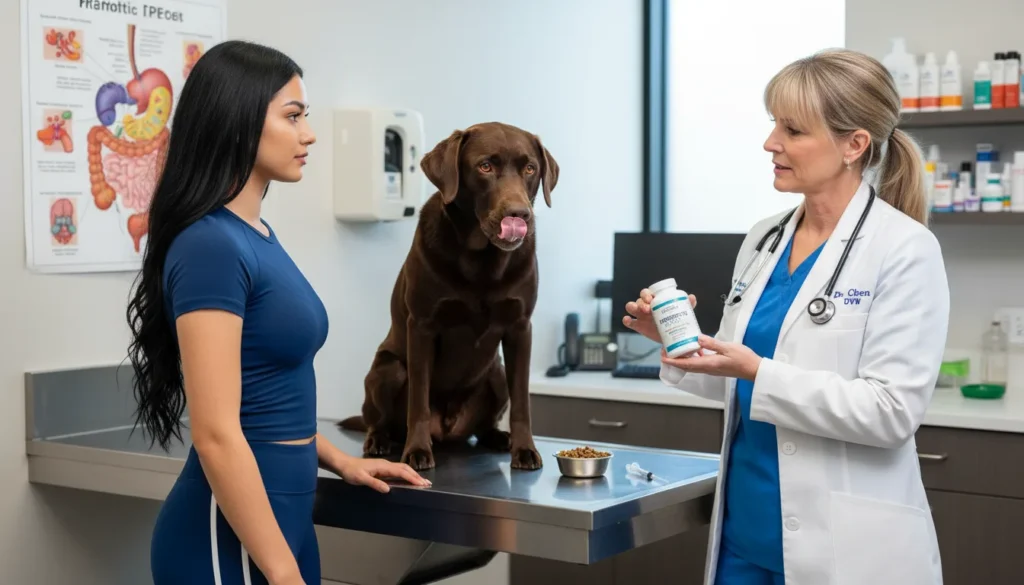
The Probiotic Promise Pet Owners Trust—Sometimes Blindly
You buy a probiotic for your pet because you want to help, not harm.
Better digestion. Stronger immunity. Fewer tummy troubles.
But here’s the uncomfortable truth most pet owners never hear:
“Probiotics” is not one thing.
Two products can say probiotics for pets on the label—and do completely different things inside your dog or cat’s body. One may genuinely help. The other may quietly do nothing at all.
This isn’t about bad intentions.
It’s about strain specificity, a detail almost never explained clearly on pet supplement packaging.
And today, as probiotics become one of the fastest-growing pet wellness trends, understanding this difference matters more than ever.
Why Probiotics Aren’t All Created Equal
The word probiotic sounds singular, simple, and universal.
In reality, it’s an umbrella term for hundreds of different bacterial strains, each with its own role, behavior, and benefit.
Think of probiotics like people in a workplace:
- Same company
- Different departments
- Very different jobs
Giving the wrong strain is like asking accounting to fix your Wi-Fi.
The Pet Gut: A Delicate Ecosystem, Not a Blank Slate
Your pet’s digestive system isn’t empty space waiting to be “filled with good bacteria.”
It’s a living ecosystem called the microbiome—a balance of:
- Helpful bacteria
- Neutral bacteria
- Opportunistic bacteria
When this balance is disrupted (stress, antibiotics, diet changes, illness), symptoms show up:
- Loose stools
- Gas and bloating
- Skin flare-ups
- Low immunity
- Poor nutrient absorption
Probiotics work only when the right strain matches the right imbalance.
Why Strain-Specific Probiotics Matter (More Than CFU Count)
Most labels scream:
“10 billion CFUs!”
But CFU (colony-forming units) tells you quantity, not function.
What truly matters is:
- The exact strain
- Its researched benefit
- Whether it survives the pet’s digestive tract
Two probiotics with the same CFU count can have wildly different outcomes.
Common Probiotic Strains—and What They Actually Do
1. Lactobacillus acidophilus
Best for:
- Digestive regularity
- Mild diarrhea
- Transitioning diets
Not ideal for:
- Severe gut inflammation
- Post-antibiotic recovery alone
2. Bifidobacterium animalis
Best for:
- Stool quality
- Supporting immunity
- Reducing gut irritation
Often found in veterinary-recommended formulations.
3. Enterococcus faecium
Best for:
- Antibiotic-associated diarrhea
- Stress-related digestive upset
This strain is one of the most studied in dogs.
4. Bacillus coagulans (Spore-forming)
Best for:
- Survivability (heat + stomach acid resistant)
- Long shelf life
Caution: Survivability doesn’t equal suitability for every condition.
Comparison Table: Same “Probiotic” Label, Very Different Results
| Probiotic Strain | Primary Benefit | Best Use Case | Common Mistake |
|---|---|---|---|
| Lactobacillus acidophilus | Digestive balance | Mild GI issues | Using for severe illness |
| Bifidobacterium animalis | Immune + stool health | Chronic sensitivity | Underdosing |
| Enterococcus faecium | Antibiotic recovery | Post-medication | Short-term use only |
| Bacillus coagulans | Stability | Travel or heat exposure | Assuming all spores help gut issues |
Real-Life Example: When “More” Didn’t Mean “Better”
A dog owner switches foods and notices loose stools.
They grab a high-CFU probiotic online.
Result?
- No improvement after 3 weeks
- More gas
- Frustration
Why?
The product focused on general digestive support, but the dog needed antibiotic-recovery strains after a recent medication course.
Once the strain changed, improvement happened within days.
Same word. Different outcome.
Why This Matters Today (And Will Matter Even More Tomorrow)
Pet parents are:
- More proactive
- More informed
- More willing to supplement
But the supplement market is growing faster than education.
Without understanding strain roles:
- Money is wasted
- Symptoms persist
- Trust in supplements erodes
Choosing the right probiotic is becoming a basic pet-care skill, not an advanced one.
Hidden Tips Most Labels Don’t Explain
- Multi-strain doesn’t always mean better
Sometimes targeted strains outperform broad blends. - Storage matters
Heat, moisture, and time reduce effectiveness. - Dogs ≠ Cats
Feline guts respond differently to certain strains. - Timing matters
Probiotics given alongside antibiotics may need spacing.
Mistakes Pet Owners Commonly Make
- Choosing based on CFU alone
- Ignoring strain names entirely
- Switching products too quickly
- Using human probiotics for pets
- Expecting instant results
Gut changes take days to weeks, not hours.
How to Choose the Right Probiotic for Your Pet
Step-by-step checklist:
- Identify the problem (diarrhea, immunity, skin, stress)
- Look for named strains, not just “probiotic blend”
- Match strain to function
- Check pet-specific dosing
- Give it consistent time to work
Veterinary-backed guidance from organizations like American Veterinary Medical Association consistently emphasizes targeted supplementation over generic solutions.
FAQ: Pet Probiotics Explained Simply
1. Can I give my pet human probiotics?
Sometimes, but many human strains aren’t tested for pets. Pet-specific formulas are safer.
2. How long before probiotics show results?
Usually 5–14 days, depending on the issue and strain.
3. Are probiotics safe for daily use?
Yes, when correctly dosed and strain-appropriate.
4. Should probiotics be given with food?
Most are best given with meals unless directed otherwise.
5. Do probiotics help skin and allergies?
Indirectly, yes—through gut-immune connection.
Key Takeaways
- “Probiotic” is not a single solution
- Strain choice determines results
- CFU count alone is misleading
- Pet-specific research matters
- The right probiotic can quietly transform health
Conclusion: Smarter Choices, Better Results
Probiotics aren’t magic—but they’re powerful when used correctly.
The real upgrade isn’t buying more supplements.
It’s understanding what each strain is actually meant to do.
Once you see probiotics this way, labels stop being confusing—and your pet’s health stops being a guessing game.
Disclaimer: This article is for general educational purposes and does not replace personalized veterinary advice. Always consult your veterinarian for specific health concerns.

Dr. Chaitanya Solanki is a licensed veterinarian with over 10 years of hands-on clinical experience in companion animal medicine. As the founder of Dr. C.M.’s Pet Clinic, he has treated thousands of dogs and cats, focusing on preventive care, behavior, nutrition, and early disease detection. His writing is evidence-based, clinically informed, and designed to help pet owners make confident, responsible care decisions.
Pingback: Digestive Enzymes for Pets: When Gut Supplements Help—and When They Don’t