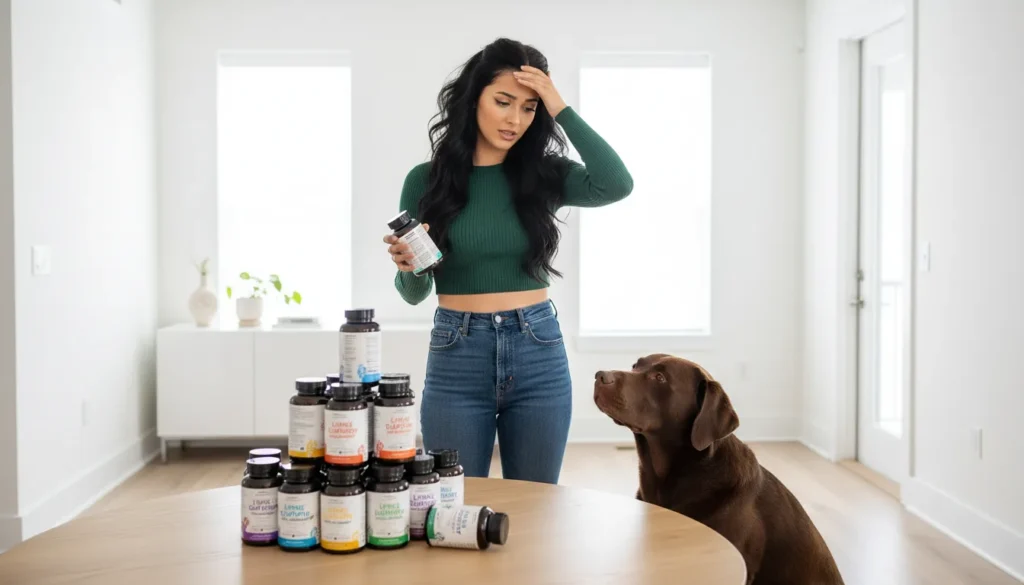
Why the Liver Quietly Determines Your Pet’s Health
Most pet owners think about joints, skin, digestion, or energy first.
The liver rarely gets attention—until something goes wrong.
Yet the liver is the body’s silent workhorse.
It filters toxins.
Processes medications.
Supports digestion, immunity, and metabolism.
When liver function starts to struggle, the signs are subtle at first:
- Lower appetite
- Mild lethargy
- Digestive changes
- Dull coat
- Slow recovery from illness
By the time symptoms are obvious, the liver has often been under strain for months.
This is why veterinarians increasingly recommend liver support supplements—not as a trend, but as preventive care or targeted support when lab values begin to shift.
But here’s the uncomfortable truth:
Not all liver supplements are created equal.
Some help.
Some do nothing.
And a few can actually make things worse.
Let’s break down what vets truly recommend—and why.
Why Liver Support Supplements Matter More Today
Modern pets face liver stress that didn’t exist decades ago.
Consider what your dog or cat encounters daily:
- Processed commercial diets
- Environmental toxins
- Long-term medications
- Pesticides, plastics, and preservatives
- Repeated parasite treatments
The liver processes all of it.
Veterinarians now see liver enzyme elevations not only in senior pets, but also in young, seemingly healthy animals during routine bloodwork.
That’s where nutritional liver support plays a role—not as a cure, but as protection and resilience.
According to veterinary nutrition standards discussed by organizations like American Veterinary Medical Association, early nutritional intervention often reduces disease progression and improves long-term outcomes.
What Vets Mean by “Liver Support” (It’s Not Detox)
One of the biggest misconceptions is that liver supplements “detox” the liver.
Veterinarians don’t use that language.
Here’s what proper liver support actually means:
- Protecting liver cells from oxidative damage
- Supporting regeneration of damaged cells
- Improving bile flow and fat metabolism
- Reducing inflammation within liver tissue
- Helping the liver process medications more safely
In short, liver supplements support function, not flush toxins.
That distinction matters—because aggressive “detox” products can stress the liver further.
The Core Ingredients Veterinarians Trust (and Why)
When vets recommend liver supplements, they’re looking for specific, research-supported compounds.
1. Silymarin (Milk Thistle Extract)
This is the most widely trusted ingredient in veterinary liver care.
Why vets like it:
- Stabilizes liver cell membranes
- Acts as a strong antioxidant
- Supports regeneration of liver tissue
- Helps reduce enzyme elevations
Silymarin is often prescribed for pets with elevated ALT or AST levels and for those on long-term medications.
Hidden tip:
Bioavailability matters. Poorly formulated silymarin is poorly absorbed.
2. SAMe (S-Adenosylmethionine)
SAMe supports the liver at a cellular level.
Veterinarians recommend it because it:
- Increases glutathione (the liver’s main antioxidant)
- Supports detox pathways safely
- Improves liver enzyme profiles in clinical studies
SAMe is often used in moderate to advanced liver stress, especially when oxidative damage is involved.
Important note:
SAMe must be enteric-coated and given on an empty stomach to work properly.
3. Phosphatidylcholine
This compound supports liver cell membrane integrity.
Vets value it because:
- It helps repair damaged liver cells
- Supports fat metabolism in the liver
- Improves absorption of silymarin
It’s commonly paired with milk thistle in professional-grade supplements.
4. Zinc (Carefully Balanced)
Zinc plays a protective role in the liver.
Veterinary benefits include:
- Reducing copper accumulation in predisposed breeds
- Supporting enzyme function
- Helping regulate inflammatory responses
However, zinc must be dosed correctly. Too much can cause toxicity.
This is why vets prefer balanced formulations over DIY supplements.
5. B-Complex Vitamins
The liver uses B vitamins constantly.
Supportive benefits include:
- Energy metabolism
- Red blood cell production
- Improved appetite during liver stress
Many liver conditions deplete B vitamins faster than normal.
Vet-Recommended Liver Supplements vs. Over-the-Counter Options
Here’s where many pet owners get confused.
“Natural” does not mean effective.
“Popular” does not mean safe.
Comparison Table: What Actually Matters
| Feature | Vet-Recommended Supplements | Generic OTC Supplements |
|---|---|---|
| Ingredient quality | Pharmaceutical or clinical grade | Variable, often unverified |
| Dosage accuracy | Weight-based, research-driven | Often under- or overdosed |
| Bioavailability | Enhanced absorption | Poor absorption common |
| Safety testing | Veterinary-reviewed | Limited or none |
| Condition-specific use | Yes | Usually generic |
Veterinary guidelines referenced by groups like World Small Animal Veterinary Association emphasize that formulation quality matters as much as the ingredient itself.
Real-Life Example: When Supplements Make a Measurable Difference
A middle-aged Labrador on long-term anti-seizure medication showed gradually rising liver enzymes.
No symptoms.
Normal appetite.
Normal energy.
Instead of waiting, the vet introduced a SAMe + silymarin supplement.
Within three months:
- ALT levels dropped into normal range
- Medication tolerance improved
- No dosage changes needed
This is the quiet power of early liver support.
Common Mistakes Pet Owners Make (and How to Avoid Them)
Mistake #1: Waiting for Symptoms
By the time symptoms appear, liver damage is often advanced.
Better approach: Act on bloodwork trends, not just behavior.
Mistake #2: Using Human Supplements
Human formulations often contain sweeteners, xylitol, or incorrect dosages.
Better approach: Use veterinary-specific products only.
Mistake #3: Stacking Too Many Supplements
More is not better—especially for the liver.
Better approach: Use one targeted, well-formulated product.
Mistake #4: Ignoring Diet
Supplements can’t compensate for a poor diet.
Better approach: Pair liver support with appropriate nutrition.
How Vets Decide Which Liver Supplement to Use
Veterinarians don’t guess.
They consider:
- Blood enzyme patterns (ALT, ALP, AST)
- Underlying cause (medications, age, breed risk)
- Pet’s weight and metabolism
- Concurrent health conditions
For example:
- Mild elevations → Milk thistle-based support
- Moderate stress → SAMe + antioxidants
- Chronic conditions → Combination formulas + diet changes
This tailored approach is why vet guidance matters.
Why This Matters Today (and Going Forward)
Pets are living longer.
That’s a good thing.
But longevity increases cumulative liver stress from medications, food, and environment.
Liver support supplements aren’t about fear.
They’re about preserving quality of life quietly, early, and safely.
The goal isn’t treatment—it’s prevention and resilience.
Key Takeaways
- The liver is central to your pet’s long-term health
- Early support works better than late intervention
- Vets recommend supplements with specific, proven ingredients
- Formulation quality and dosage matter more than branding
- Always pair supplements with veterinary guidance
Frequently Asked Questions
1. Should healthy pets take liver supplements?
Only if bloodwork or risk factors suggest benefit. Routine use without guidance isn’t recommended.
2. Are liver supplements safe long-term?
Vet-approved formulations are generally safe when used correctly and monitored.
3. Can liver supplements replace medication?
No. They support function but do not replace prescribed treatments.
4. How long before results show?
Bloodwork improvements are often seen within 6–12 weeks.
5. Can diet alone support liver health?
Diet helps, but supplements provide targeted biochemical support diet alone can’t achieve.
Conclusion: Quiet Support That Protects What You Can’t See
You may never see your pet’s liver working.
But you’ll see the results when it struggles.
Veterinary-recommended liver supplements aren’t about trends or detox promises.
They’re about supporting one of the most essential organs before it asks for help.
When chosen wisely and used appropriately, they protect health in the most invisible—but powerful—way.
Disclaimer: This article is for general informational purposes and does not replace personalized veterinary advice. Always consult your veterinarian before starting supplements.

Dr. Chaitanya Solanki is a licensed veterinarian with over 10 years of hands-on clinical experience in companion animal medicine. As the founder of Dr. C.M.’s Pet Clinic, he has treated thousands of dogs and cats, focusing on preventive care, behavior, nutrition, and early disease detection. His writing is evidence-based, clinically informed, and designed to help pet owners make confident, responsible care decisions.