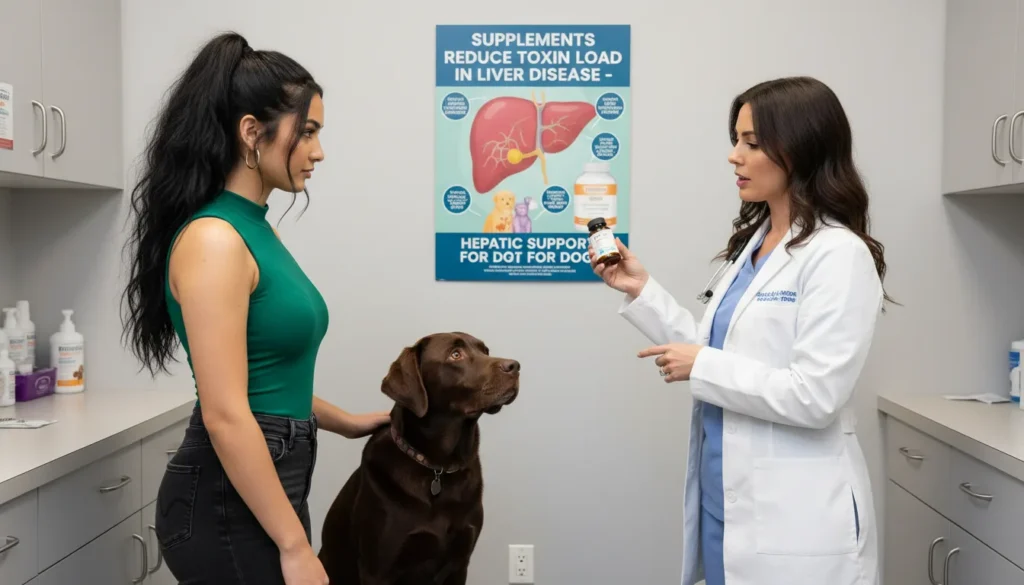
When the Liver Can’t Keep Up
The liver is the body’s master filter.
Every medication.
Every food byproduct.
Every environmental toxin.
All of it passes through the liver—quietly, constantly, without complaint.
Until one day, it doesn’t.
In liver disease, the problem isn’t that toxins suddenly appear.
It’s that the liver loses the capacity to process and neutralize them efficiently.
That’s when toxin load builds.
And this is where supplements—used correctly—can make a meaningful difference.
Not by “detoxing.”
Not by flushing the liver.
But by supporting the biochemical systems that reduce toxin burden safely.
What “Toxin Load” Really Means in Liver Disease
Toxin load isn’t a vague wellness concept.
In liver disease, it refers to:
- Accumulation of metabolic waste (like ammonia)
- Reduced clearance of medications
- Increased oxidative byproducts
- Impaired bile flow
- Inflammatory compounds damaging liver cells
As toxin load rises, symptoms may include:
- Lethargy
- Appetite loss
- Digestive upset
- Neurological signs in advanced cases
- Poor tolerance to medications
Veterinary hepatology groups such as International Liver Study Group emphasize that reducing toxin burden is central to stabilizing liver disease, not an optional add-on.
Why the Liver Struggles With Toxins During Disease
A healthy liver neutralizes toxins through multi-step pathways.
In liver disease, several things go wrong:
- Liver cells lose functional enzymes
- Antioxidant defenses drop
- Bile production and flow slow
- Inflammation damages filtering structures
The result?
Even normal daily toxins become overwhelming.
This is why liver disease often worsens during stress, illness, or medication changes—the liver’s margin for error disappears.
Supplements don’t replace liver tissue.
They support what’s still functioning.
The Biggest Myth: Supplements “Detox” the Liver
Let’s be very clear.
Veterinarians do not believe supplements detox the liver.
That language is misleading and sometimes harmful.
What supplements actually do is:
- Reduce oxidative stress
- Support enzyme systems
- Improve bile flow
- Protect liver cell membranes
- Increase antioxidant availability
This lowers the effective toxin load—not by flushing toxins out, but by making the liver more capable of handling them.
That distinction matters.
The Key Supplement Categories That Reduce Toxin Burden
Veterinary-recommended liver supplements target specific mechanisms.
1. Antioxidant Support: The First Line of Defense
Oxidative stress is one of the biggest drivers of liver damage.
When toxins are processed, free radicals are generated.
Antioxidants help by:
- Neutralizing free radicals
- Preventing further liver cell injury
- Preserving remaining liver function
This is why antioxidants form the backbone of liver support protocols recommended by organizations like American Veterinary Medical Association.
But balance matters—excessive antioxidant dosing can disrupt normal cellular signaling.
2. Silymarin (Milk Thistle): Cellular Protection
Silymarin doesn’t remove toxins.
It protects liver cells from toxin-related damage.
It works by:
- Stabilizing hepatocyte membranes
- Preventing toxin entry into cells
- Supporting liver cell regeneration
- Acting as a strong antioxidant
Clinical veterinary use has shown silymarin helps reduce enzyme elevations and improve toxin tolerance, especially in chronic liver conditions.
Hidden tip:
Absorption depends heavily on formulation quality.
3. SAMe: Supporting Detox Pathways Safely
SAMe (S-adenosylmethionine) plays a crucial role in liver detoxification.
It supports:
- Glutathione production (the liver’s primary antioxidant)
- Phase II detoxification pathways
- Protection against medication-induced liver injury
In liver disease, glutathione levels often fall—raising toxin vulnerability.
SAMe helps restore this internal defense system.
4. Phosphatidylcholine: Repairing the Filter
Liver cells rely on healthy membranes to function as filters.
Phosphatidylcholine:
- Repairs damaged liver cell membranes
- Improves bile composition and flow
- Enhances antioxidant effectiveness
Better membrane integrity = better toxin handling.
This is why many veterinary formulations pair phosphatidylcholine with silymarin.
5. Bile Flow Support: Preventing Toxin Backup
When bile flow slows, toxins accumulate.
Certain supplements support bile movement, helping:
- Prevent cholestasis
- Reduce toxin recirculation
- Improve digestion and fat metabolism
This is particularly important in chronic liver disease, where bile stagnation increases toxin exposure.
Supplements vs. “Detox Products”: A Critical Difference
Many products claim to “cleanse” the liver.
Veterinarians strongly caution against these.
Comparison Table: Support vs. Detox
| Feature | Liver Support Supplements | Detox/Cleanse Products |
|---|---|---|
| Goal | Support liver function | Force toxin removal |
| Mechanism | Cellular protection | Stimulation/irritation |
| Safety | Vet-reviewed | Often untested |
| Suitability in disease | Yes | Often harmful |
| Evidence-based | Yes | Rarely |
Groups such as World Small Animal Veterinary Association consistently advise against aggressive detox approaches in liver disease.
Real-Life Example: Lowering Toxin Load Without “Cleansing”
A middle-aged dog with chronic hepatitis showed rising liver enzymes and poor medication tolerance.
Instead of detox products, the vet introduced:
- SAMe for glutathione support
- Silymarin for cellular protection
- Phosphatidylcholine for membrane repair
Over several months:
- Enzyme levels stabilized
- Medication tolerance improved
- Appetite returned
No detox.
No flushing.
Just improved liver resilience.
Common Mistakes That Increase Toxin Load
Mistake #1: Using Multiple Supplements Without Coordination
Stacking supplements increases liver workload.
Better approach: Targeted, minimal supplementation.
Mistake #2: Adding Supplements During Acute Crises
The liver may be too compromised to process them safely.
Better approach: Introduce support during stable phases.
Mistake #3: Choosing “Stronger” Products
More stimulation ≠ better detoxification.
Better approach: Choose protective, not aggressive, support.
Mistake #4: Ignoring Diet and Medications
Supplements can’t offset a high toxin diet or unnecessary drugs.
Better approach: Reduce incoming toxin load alongside supplementation.
How Vets Decide Which Supplements to Use
Veterinarians assess:
- Liver enzyme patterns
- Bile acids
- Medication history
- Stage and cause of liver disease
- Appetite and digestion
For example:
- Medication-related liver stress → SAMe focus
- Chronic inflammation → Antioxidant-heavy support
- Cholestasis → Bile flow support
This precision is what makes supplements helpful instead of harmful.
Why This Matters Today (and Long-Term)
Pets are exposed to more medications, processed foods, and environmental toxins than ever.
A compromised liver doesn’t need heroic detox efforts.
It needs help doing its job quietly and consistently.
Early, targeted supplementation can:
- Reduce toxin accumulation
- Improve quality of life
- Increase medication tolerance
- Slow disease progression
This is about supporting capacity, not forcing change.
Actionable Steps for Reducing Toxin Load Safely
- Review all medications and supplements with your vet
- Avoid detox or cleanse products
- Use veterinary-formulated liver supplements only
- Introduce supplements gradually
- Monitor liver values regularly
Small adjustments, made early, have lasting impact.
Key Takeaways
- Toxin load increases when liver capacity falls
- Supplements reduce toxin burden by supporting liver systems
- Antioxidants, SAMe, and silymarin play central roles
- Detox products are not liver support
- Timing and formulation matter more than intensity
Frequently Asked Questions
1. Do liver supplements remove toxins?
No. They help the liver process toxins more effectively.
2. Are detox products safe in liver disease?
Generally no—they can increase liver stress.
3. How long before supplements help?
Improvements are gradual and may take weeks to months.
4. Can supplements replace medical treatment?
No. They are supportive, not curative.
5. Should supplements be lifelong?
That depends on the condition and veterinary guidance.
Conclusion: Reducing Toxins by Supporting the System
Liver disease isn’t a toxin problem.
It’s a capacity problem.
When supplements are chosen wisely, they don’t cleanse the liver—they strengthen it.
And a stronger liver is far better equipped to handle toxins than any forced detox could ever be.
Disclaimer: This article is for general educational purposes only and does not replace guidance from your veterinarian.

Dr. Chaitanya Solanki is a licensed veterinarian with over 10 years of hands-on clinical experience in companion animal medicine. As the founder of Dr. C.M.’s Pet Clinic, he has treated thousands of dogs and cats, focusing on preventive care, behavior, nutrition, and early disease detection. His writing is evidence-based, clinically informed, and designed to help pet owners make confident, responsible care decisions.
Pingback: Liver Support Supplements: What Vets Actually Recommend (and Why It Matters More Than You Think)
Pingback: Supplements During Cancer Treatment: Support or Interference? What Vets and Oncologists Watch Closely
Pingback: Milk Thistle for Pets Explained: Benefits, Risks, Dosage, and What Vets Want You to Know