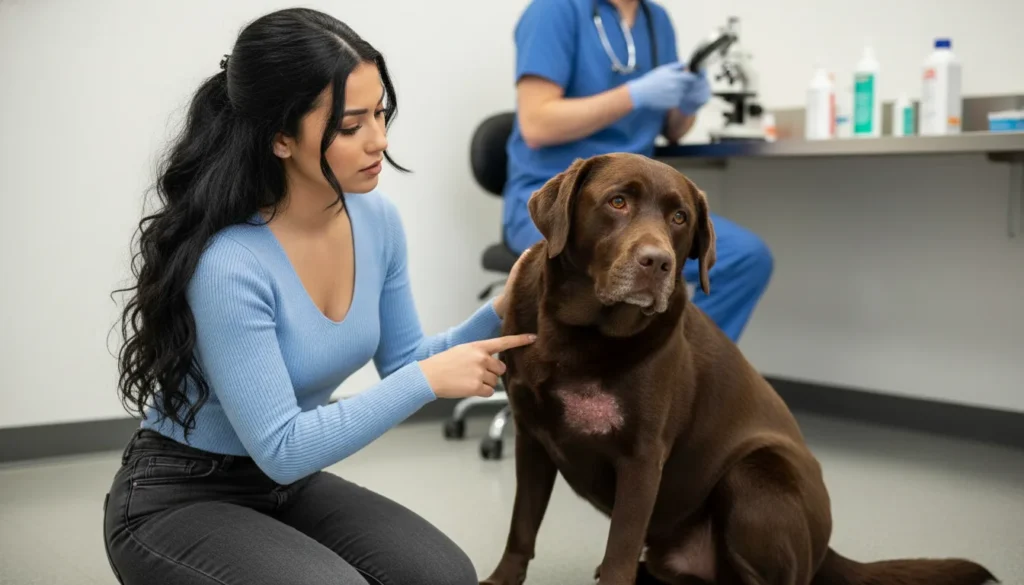
Skin Disease and Supplements: Why Results Depend on Diagnosis
If you’ve ever lived with a dog or cat who won’t stop scratching, you know how heartbreaking it feels.
It starts small.
A little itch.
A red patch.
Some licking.
Then suddenly it becomes constant:
- Scratching at midnight
- Chewing paws until they’re raw
- Hot spots that return again and again
- Fur thinning in places you never expected
And like most caring owners, you start searching for relief.
That’s when supplements appear everywhere:
Fish oil. Skin chews. Allergy powders. Coat vitamins. “Itch support” blends.
Some owners swear they work.
Others feel like they wasted months.
And the reason is simple — but often overlooked:
Skin supplement results depend less on the supplement… and more on the diagnosis underneath.
Let’s unpack why skin disease is never one-size-fits-all, and how the right cause leads to the right support.
Why Skin Disease Is So Confusing in Dogs and Cats
Skin is the body’s most visible organ.
So when something goes wrong, it feels obvious.
But here’s the hidden truth veterinarians learn early:
Skin problems are rarely just skin problems.
They are often outward signs of deeper issues like:
- Allergies
- Parasites
- Infections
- Hormonal disease
- Immune dysfunction
- Nutritional deficiency
- Stress and overgrooming
Two pets can look identical — red, itchy, inflamed — but require completely different treatment.
That’s why supplements help some pets dramatically… and do nothing for others.
The Supplement Myth: “Itching Means They Need Skin Support”
This is the most common misunderstanding.
Owners see itchiness and assume:
Skin supplement = skin solution
But itching is a symptom, not a diagnosis.
For example:
- A dog with fleas needs parasite control, not omega-3s
- A cat with ringworm needs antifungal care, not biotin
- A pet with food allergy needs diet change, not random chews
- A pet with bacterial infection needs antibiotics, not zinc
Supplements can support healing…
But they cannot replace identifying the true trigger.
The Main Reason Supplements Work: They Match the Root Cause
When supplements succeed, it’s usually because they target something specific, like:
- Inflammation from allergies
- A real nutrient deficiency
- Microbiome imbalance affecting immune response
- Poor skin barrier function
When supplements fail, it’s often because the issue is:
- Infectious
- Parasitic
- Hormonal
- Structural
- Immune-driven
Skin disease is a category, not a single condition.
Common Skin Disease Diagnoses — And Why Supplements Respond Differently
Let’s break down the major causes vets see, and where supplements fit.
1. Allergic Dermatitis (The Most Common Cause)
Allergies are one of the top drivers of chronic itching.
This includes:
- Environmental allergies (pollen, dust mites)
- Food sensitivities
- Contact allergies
In these cases, supplements may help support:
- Reduced inflammation
- Stronger skin barrier
- Less secondary infection risk
But supplements alone rarely solve allergies.
They work best as part of a broader plan.
2. Fleas and Parasites (Supplements Won’t Fix This)
Even one flea bite can trigger intense itching.
Parasites require:
- Veterinary flea prevention
- Environmental cleaning
- Sometimes anti-itch medication
No supplement can overcome ongoing parasite exposure.
This is one of the biggest reasons owners feel supplements “don’t work.”
3. Skin Infections (Bacterial or Yeast)
Infections often appear secondary to allergies.
Signs include:
- Greasy odor
- Red, moist patches
- Recurrent hot spots
- Darkened skin
Infections require treatment first.
Supplements may support recovery, but they cannot clear an active infection alone.
4. Nutritional Deficiencies (Where Supplements Truly Shine)
Though less common with modern diets, deficiencies can occur, especially with:
- Homemade diets
- Poor-quality foods
- Malabsorption disorders
Deficiencies linked to skin include:
- Zinc
- Essential fatty acids
- Vitamin A imbalance
Here, supplements can produce dramatic improvement because the body was missing something real.
5. Hormonal Skin Disease (Supplements Rarely Help)
Conditions like hypothyroidism or Cushing’s disease can cause:
- Thinning coat
- Chronic infections
- Slow regrowth
- Skin darkening
These require hormonal management.
Supplements may support coat quality, but they won’t fix the underlying imbalance.
Supplements Vets Commonly Recommend (When Diagnosis Fits)
Let’s explore supplements with real veterinary dermatology support.
1. Omega-3 Fatty Acids (Fish Oil)
Omega-3s are one of the most useful skin supplements for pets with allergic inflammation.
They help by:
- Reducing inflammatory signaling
- Supporting skin barrier oils
- Decreasing itch intensity over time
Hidden tip: Results are slow — often 6–12 weeks.
Fish oil won’t stop an infection overnight, but it can reduce flare frequency long term.
2. Veterinary Probiotics for Skin-Gut Connection
The immune system lives largely in the gut.
Some chronic allergic skin pets benefit from probiotics that support:
- Balanced immune signaling
- Reduced inflammatory response
- Better stool + skin stability
Not all pets respond, but the gut-skin link is real.
3. Zinc (Only When Deficient)
Zinc-responsive dermatosis exists, especially in certain breeds.
Supplementation works only when deficiency is present.
Too much zinc can be harmful.
This is diagnosis-dependent — not casual supplementation.
4. Barrier Support Nutrients (Ceramides, Vitamin E)
Some supplements aim to strengthen the skin barrier, helping pets retain moisture and reduce allergen entry.
These are supportive tools, not cures.
Comparison Table: Why Supplements Work for Some Skin Conditions and Not Others
| Skin Condition Cause | Supplement May Help? | Why or Why Not |
|---|---|---|
| Allergic dermatitis | ✅ Often supportive | Reduces inflammation, strengthens barrier |
| Fleas/mites | ❌ No | Parasites require prevention and treatment |
| Bacterial infection | ⚠️ Only after treatment | Infection needs antibiotics first |
| Yeast overgrowth | ⚠️ Limited | Needs antifungal management |
| Nutrient deficiency | ✅ Strong improvement | Supplements correct missing nutrients |
| Hormonal disease | ❌ Minimal | Hormones must be treated directly |
| Immune-mediated skin disease | ⚠️ Complex | Requires specialist-level care |
Real-Life Example: Why One Dog Improved and Another Didn’t
Two dogs both had itchy paws.
Dog A had seasonal allergies.
Omega-3s + allergy management reduced flare-ups.
Dog B had a chronic yeast infection.
Fish oil did nothing until antifungal treatment addressed the infection.
Same symptom.
Completely different diagnosis.
That’s why guessing leads to frustration.
Mistakes Owners Commonly Make With Skin Supplements
Here are the biggest supplement pitfalls:
- Treating itching without diagnosing fleas or infection
- Switching products every two weeks
- Using cheap supplements with low active dose
- Overloading multiple chews and powders at once
- Believing “skin detox” marketing
- Ignoring diet as the foundation
Supplements work best when they are:
targeted, consistent, and part of a plan.
Actionable Steps: How to Use Supplements the Smart Way
If your pet has chronic skin disease, follow this approach:
Step 1: Identify the Cause First
Your vet may recommend:
- Skin scrapings
- Allergy evaluation
- Cytology (checking for yeast/bacteria)
- Diet trial
Step 2: Choose Supplements That Match the Diagnosis
Most commonly:
- Omega-3s for allergies
- Probiotics for immune balance
- Zinc only for confirmed deficiency
Step 3: Give Them Time
Skin turnover takes weeks.
Expect at least 6–8 weeks for meaningful improvement.
Step 4: Avoid Ingredient Overload
One supplement at a time prevents confusion.
Step 5: Track Symptoms Like a Pattern
Note:
- Seasonal changes
- Food changes
- Infection recurrence
- Response timeline
This helps vets refine treatment.
Why This Matters Today (Evergreen)
Skin supplement marketing is everywhere.
But skin disease is not a supplement problem.
It’s a diagnostic problem.
The pets who improve fastest aren’t the ones taking the most products.
They’re the ones whose owners understand:
The right supplement only works when it supports the right cause.
That’s how you move from endless trial-and-error to real relief.
Key Takeaways
- Skin supplement results depend more on diagnosis than the product
- Omega-3s are highly useful for allergic inflammation
- Supplements won’t fix parasites, infections, or hormonal disease
- True nutrient deficiencies respond dramatically to targeted support
- Probiotics may help some allergy-prone pets through gut-immune balance
- The best approach is vet diagnosis + consistent, simple support
FAQ: Skin Disease and Supplements in Pets
1. Do skin supplements stop itching immediately?
Usually not. Most require 6–12 weeks to reduce inflammation and improve barrier function.
2. Is fish oil good for every skin problem?
No. Fish oil helps allergic inflammation but won’t resolve parasites or infections.
3. Can supplements replace allergy medication?
Rarely. Supplements can reduce flare severity but usually work best alongside medical allergy management.
4. Are “skin detox” chews safe?
Many are unregulated and not evidence-based. Vets generally prefer simpler, proven ingredients.
5. What’s the most important step before choosing a supplement?
Getting the correct diagnosis — because itchiness has many causes.
Conclusion: The Right Diagnosis Is the Real Secret Ingredient
When your pet is miserable from skin disease, you want relief fast.
Supplements can absolutely help — but only in the right context.
The owners who see the best results don’t just buy the most popular chew.
They pause and ask:
What is actually causing this skin problem?
Because in dermatology, the skin always tells a story…
And the supplement only works when it matches the plot.

Dr. Chaitanya Solanki is a licensed veterinarian with over 10 years of hands-on clinical experience in companion animal medicine. As the founder of Dr. C.M.’s Pet Clinic, he has treated thousands of dogs and cats, focusing on preventive care, behavior, nutrition, and early disease detection. His writing is evidence-based, clinically informed, and designed to help pet owners make confident, responsible care decisions.