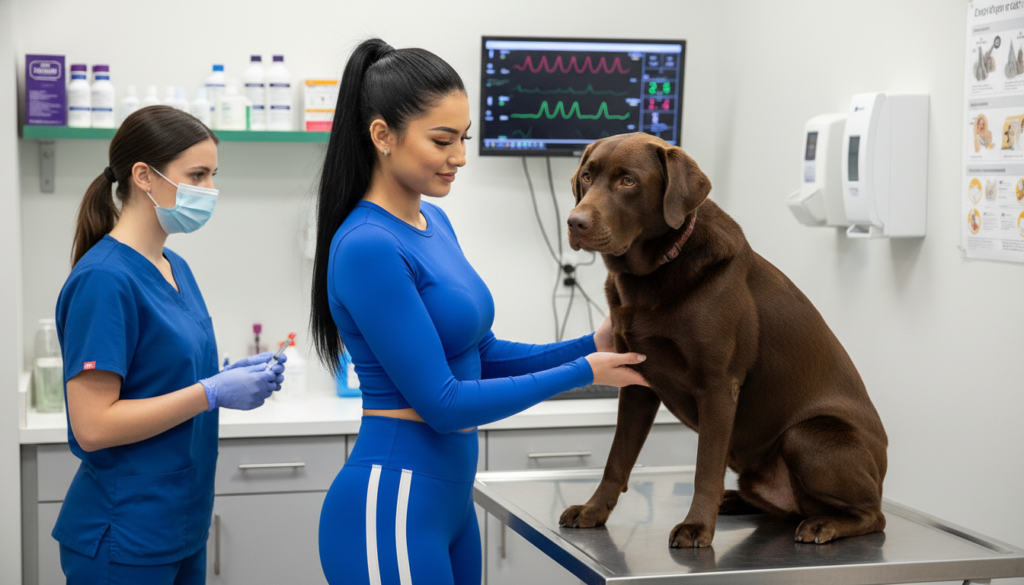
The most misleading reassurance in pet care
“They’re acting normal.”
“They’re eating fine.”
“They don’t seem sick.”
These phrases feel comforting.
They sound logical.
But in veterinary medicine, they’re often the reason problems are missed.
Routine exams aren’t about confirming what owners already know.
They’re about uncovering what no one can see yet—including attentive, loving owners.
Why Owners and Vets See Two Very Different Pictures
Pet owners see behavior.
Veterinarians see patterns, physiology, and risk.
At home, you notice:
- Appetite
- Mood
- Energy
- Obvious pain
In an exam room, vets assess:
- Subtle weight shifts
- Heart and lung sounds
- Oral disease
- Organ trends
- Early mobility changes
Organizations like the American Veterinary Medical Association emphasize routine exams because they reveal issues before behavior changes ever appear.
The Illusion of “Normal” in Pets
Pets are masters of compensation.
They adapt quietly to:
- Chronic pain
- Reduced organ function
- Hormonal imbalance
- Inflammation
What owners interpret as “normal” is often adjusted behavior, not true health.
By the time behavior clearly changes, disease has usually been present for a long time.
What Routine Exams Are Actually Designed to Detect
Routine exams aren’t random checklists.
They are structured, repeatable evaluations that look for deviation from baseline.
Common findings include:
- Early heart murmurs
- Dental disease below the gumline
- Subtle muscle loss
- Weight gain or loss owners don’t notice
- Skin or ear inflammation without scratching
- Abdominal changes that aren’t painful yet
None of these typically cause obvious distress early on.
The Power of Baseline Comparisons
One of the most overlooked benefits of routine exams is trend tracking.
A single lab value or exam finding may look “normal.”
Compared to last year, it might be concerning.
Baseline data allows vets to:
- Spot gradual decline
- Catch disease earlier
- Intervene conservatively
Without baselines, problems hide inside the normal range.
Real-Life Example: The Dog Who “Just Gained a Little Weight”
A dog gains two pounds over a year.
At home, it’s barely noticeable.
At a routine exam, the vet sees:
- Body condition score change
- Reduced waist definition
- Early joint strain
That small change triggers a plan:
- Nutrition adjustment
- Activity modification
- Monitoring
Without that exam, obesity-related disease would quietly progress for years.
Why Many Serious Conditions Start Without Symptoms
Pain and discomfort are late signals.
Early disease often involves:
- Cellular changes
- Hormonal shifts
- Microscopic inflammation
- Gradual organ stress
Conditions commonly caught during routine exams include:
- Kidney disease
- Heart disease
- Dental infections
- Thyroid disorders
- Early arthritis
Animal welfare groups like the ASPCA consistently stress that early detection improves both lifespan and quality of life—precisely because pets don’t complain early.
Comparison Table: What Owners See vs What Routine Exams Reveal
| What Owners Observe | What Routine Exams Detect |
|---|---|
| Normal appetite | Early organ dysfunction |
| Good energy | Compensated heart disease |
| No limping | Muscle loss or joint stress |
| No pain signals | Dental infection |
| Stable behavior | Hormonal imbalance |
This gap explains why routine exams matter even when nothing seems wrong.
Why Routine Exams Feel Optional (But Aren’t)
Routine exams lack drama.
There’s:
- No emergency
- No visible suffering
- No urgency
That makes them easy to delay.
But veterinary care works best before urgency exists.
Routine exams create control.
Emergency care reacts to loss of control.
The Cost Misunderstanding That Leads to Bigger Bills
Many owners skip exams to save money.
In reality:
- Routine exams are predictable and lower cost
- Early treatment is simpler and cheaper
- Advanced disease requires more testing and intervention
Routine care doesn’t add cost—it prevents escalation.
Hidden Tip: Physical Exams Catch What Tests Don’t
Lab work is powerful—but hands-on exams matter just as much.
During routine exams, vets assess:
- Subtle abdominal tension
- Early dental disease hidden under gums
- Skin thickening before infection
- Changes in posture or gait
These findings don’t show up on blood tests—and owners rarely notice them.
Common Owner Mistakes That Delay Detection
- Skipping exams because vaccines are current
- Assuming youth equals health
- Waiting for pain before acting
- Comparing pets to other pets instead of past exams
- Treating wellness visits as optional
These are understandable—but they allow silent disease to advance.
Actionable Steps to Get More Value From Routine Exams
Routine exams work best when owners participate actively.
Do this:
- Schedule exams even when your pet seems healthy
- Share small changes—even if they seem irrelevant
- Agree to baseline diagnostics when recommended
- Ask what trends your vet is watching
- Follow up on “mild” findings instead of ignoring them
Small conversations prevent big problems.
Why This Matters Today (And Going Forward)
Pets are living longer than ever.
Longer lives mean:
- More chronic conditions
- More slow-progressing disease
- Greater benefit from early detection
Routine exams are no longer optional maintenance—they’re health preservation.
Key Takeaways
- Pets hide early disease extremely well
- Owners see behavior; vets see biological trends
- Routine exams detect problems before pain appears
- Baseline data is critical for early diagnosis
- Skipping exams increases long-term risk and cost
- Prevention works best when nothing seems wrong
Frequently Asked Questions
1. If my pet seems healthy, are routine exams really necessary?
Yes. Many serious conditions develop silently without visible symptoms.
2. How often should routine exams be done?
Most pets benefit from annual exams; seniors or pets with chronic issues may need more frequent visits.
3. Are routine exams just about vaccines?
No. Vaccines are a small part. Exams focus on early disease detection and overall health assessment.
4. Can routine exams really prevent emergencies?
They can’t prevent all emergencies, but they significantly reduce their likelihood and severity.
5. What should I tell my vet during a routine exam?
Any change—appetite, weight, energy, behavior, mobility—even if it feels minor.
Conclusion: What You Don’t See Is Often What Matters Most
Routine exams aren’t about finding problems everywhere.
They’re about finding the right problems early—before they hurt, before they scare, before they become emergencies.
When your pet “seems fine,” that’s not the moment to relax.
It’s the moment preventive care works best.
Disclaimer: This article is for general educational purposes only and does not replace advice from a licensed veterinarian. Always consult your veterinarian with questions about your pet’s health.

Dr. Chaitanya Solanki is a licensed veterinarian with over 10 years of hands-on clinical experience in companion animal medicine. As the founder of Dr. C.M.’s Pet Clinic, he has treated thousands of dogs and cats, focusing on preventive care, behavior, nutrition, and early disease detection. His writing is evidence-based, clinically informed, and designed to help pet owners make confident, responsible care decisions.
Pingback: The Preventive Tests That Reveal Hidden Organ Stress—Long Before Pets Show Symptoms