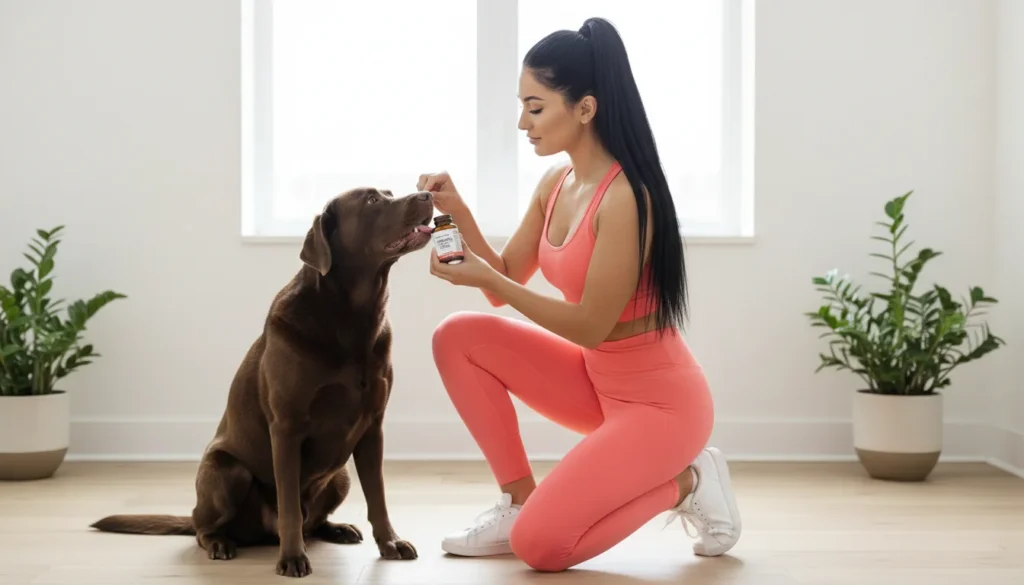
The quiet helpers your pet may need—at the right moment
When a dog or cat is sick, everything feels urgent.
You see fatigue, loss of appetite, slower movement—and you want to do something that helps them heal faster.
That’s when antioxidant supplements often enter the conversation.
They’re marketed as gentle, protective, and universally beneficial.
And sometimes, they truly are.
But here’s the truth veterinarians know—and marketing rarely explains:
Antioxidants can support recovery in sick pets,
but only in the right context, at the right time, and for the right reason.
Used incorrectly, they can be ineffective—or even slow certain healing processes.
This article explains when antioxidants help sick pets recover, when they don’t, and how to use them wisely.
What Antioxidants Actually Do in a Sick Pet’s Body
Antioxidants are substances that neutralize oxidative stress.
Oxidative stress occurs when illness, inflammation, infection, or injury produces excess free radicals that damage cells.
In sick pets, oxidative stress commonly increases during:
- Infection
- Surgery or trauma
- Chronic inflammation
- Organ disease
- Aging-related illness
According to principles recognized in veterinary medicine and reflected by groups like American Veterinary Medical Association, oxidative damage can slow tissue repair and worsen disease progression.
Antioxidants help by:
- Protecting cell membranes
- Reducing tissue damage
- Supporting normal cellular repair
- Improving recovery efficiency
They do not cure disease—but they can support the body while it heals.
When Antioxidant Supplements Truly Help Sick Pets Recover
This is where science and experience align.
1. During Recovery From Acute Illness or Infection
After the immune system fights infection, oxidative stress often remains elevated.
In this phase, antioxidants may help by:
- Reducing residual inflammation
- Supporting cellular repair
- Improving energy and appetite during recovery
This is especially relevant for pets recovering from:
- Severe bacterial or viral infections
- Gastrointestinal illness
- Pancreatitis
- Respiratory disease
The key is after the acute immune response, not during its peak.
2. In Chronic Inflammatory Conditions
Some pets live with long-term inflammatory disease, such as:
- Osteoarthritis
- Chronic skin disease
- Inflammatory bowel disease
- Chronic kidney disease
- Heart disease
In these cases, ongoing oxidative damage contributes to tissue breakdown.
Antioxidants can help slow this process by reducing cumulative cellular stress—supporting comfort and long-term stability.
3. During Post-Surgical or Injury Recovery
Surgery and trauma dramatically increase oxidative stress.
Antioxidants may:
- Support wound healing
- Reduce tissue inflammation
- Improve recovery resilience
Veterinarians often use antioxidant-rich nutritional strategies during post-operative care—not as replacements for treatment, but as recovery support.
4. In Senior Pets With Reduced Cellular Defense
As pets age, their natural antioxidant systems weaken.
In older dogs and cats, antioxidants may help:
- Maintain cognitive function
- Support organ resilience
- Reduce age-related inflammation
This is one of the most evidence-supported uses of antioxidants in pets.
When Antioxidants May NOT Help—and Can Sometimes Interfere
More is not always better.
During Active Immune Attacks
During acute infection or immune activation, some oxidative processes are part of how the immune system destroys pathogens.
High-dose antioxidants too early may:
- Blunt necessary immune responses
- Slow pathogen clearance
- Prolong illness
This doesn’t mean antioxidants are dangerous—it means timing matters.
In Certain Autoimmune Conditions
In autoimmune disease, antioxidants are not automatically helpful.
If oxidative stress is secondary to immune misdirection, antioxidants alone won’t address the root cause—and may create false reassurance.
This is why autoimmune pets require carefully targeted support, not blanket supplementation.
Common Antioxidants Used in Pets (and What They Actually Do)
Well-studied antioxidant categories include:
- Vitamin E – Protects cell membranes, supports skin and immune health
- Vitamin C – Supports tissue repair (dogs synthesize it; cats rely on diet)
- Selenium – Supports antioxidant enzymes (narrow safe range)
- Omega-3 fatty acids – Indirect antioxidant effect via inflammation reduction
- Polyphenols (from certain plant sources) – Cellular protection
Organizations like National Research Council emphasize that antioxidant balance—not excess—is critical.
Comparison Table: When Antioxidants Help vs When They Don’t
| Situation | Antioxidants Helpful? | Why |
|---|---|---|
| Post-infection recovery | Yes | Reduces residual oxidative stress |
| Chronic inflammatory disease | Yes | Limits long-term tissue damage |
| Post-surgical healing | Yes | Supports cellular repair |
| Acute infection peak | Not always | Immune system needs oxidative activity |
| Autoimmune flare | Caution needed | Doesn’t correct immune misdirection |
| Over-supplementation | No | Can disrupt normal physiology |
Real-Life Example: The Right Timing Made the Difference
A senior dog recovering from pancreatitis remained lethargic weeks after stabilization.
Blood work showed inflammation had resolved—but oxidative stress markers remained elevated.
Under veterinary guidance, antioxidant support was added after the acute phase.
Within weeks:
- Appetite improved
- Energy increased
- Recovery stabilized
The same supplement would have been unhelpful—or harmful—during the acute stage.
Hidden Tips Most Pet Parents Never Hear
- Antioxidants work best after inflammation peaks
- Food-based antioxidants are often gentler than high-dose isolates
- Consistency matters more than intensity
- Quality and dosing are more important than brand popularity
Antioxidants are supportive tools—not emergency fixes.
Common Mistakes to Avoid
Even loving pet parents make these errors:
- Starting antioxidants too early in illness
- Using human antioxidant doses for pets
- Combining multiple antioxidant products
- Assuming “natural” means unlimited safety
- Ignoring veterinary timing advice
These mistakes explain why antioxidants sometimes “don’t work.”
Actionable Steps for Using Antioxidants Safely in Sick Pets
If your pet is ill or recovering:
- Confirm the illness phase (acute vs recovery)
- Choose pet-specific formulations
- Start with conservative dosing
- Introduce one supplement at a time
- Monitor energy, appetite, and comfort weekly
Smart use protects healing momentum.
Why This Matters for Pets Today
Pets are living longer—and surviving illnesses that once shortened life.
Recovery quality now matters as much as survival.
Antioxidants, when used correctly, can:
- Improve comfort
- Shorten recovery time
- Reduce long-term tissue damage
Used blindly, they can delay healing.
Knowledge—not marketing—makes the difference.
Key Takeaways
- Antioxidants support recovery, not cure disease
- Timing is critical for effectiveness
- Best used after acute illness phases
- Overuse can reduce benefits
- Veterinary guidance improves outcomes
Frequently Asked Questions (FAQ)
1. Should I give antioxidants whenever my pet is sick?
Not always. They’re most helpful during recovery—not during the peak of infection or inflammation.
2. Are antioxidants safe for long-term use in pets?
Some are, but dosing and necessity should be reassessed periodically.
3. Can antioxidants replace medication?
No. They support healing but do not treat underlying disease.
4. Are antioxidant-rich foods better than supplements?
Sometimes. Food-based antioxidants are often gentler and more balanced.
5. How soon should I expect results?
Improvement is usually gradual over weeks—not days.
Conclusion: Antioxidants Are Recovery Partners—Not Rescue Heroes
Antioxidants can quietly support a sick pet’s recovery when used with intention and timing.
They protect cells, reduce lingering stress, and help the body heal more efficiently.
But they work best when they follow the body’s natural immune response—not when they try to override it.
For sick pets, the smartest recovery plans are calm, measured, and science-guided.
Disclaimer: This article is for educational purposes only and does not replace professional veterinary advice. Always consult your veterinarian before introducing supplements during illness or recovery.

Dr. Chaitanya Solanki is a licensed veterinarian with over 10 years of hands-on clinical experience in companion animal medicine. As the founder of Dr. C.M.’s Pet Clinic, he has treated thousands of dogs and cats, focusing on preventive care, behavior, nutrition, and early disease detection. His writing is evidence-based, clinically informed, and designed to help pet owners make confident, responsible care decisions.
Pingback: Supplements During Cancer Treatment: Support or Interference? What Vets and Oncologists Watch Closely