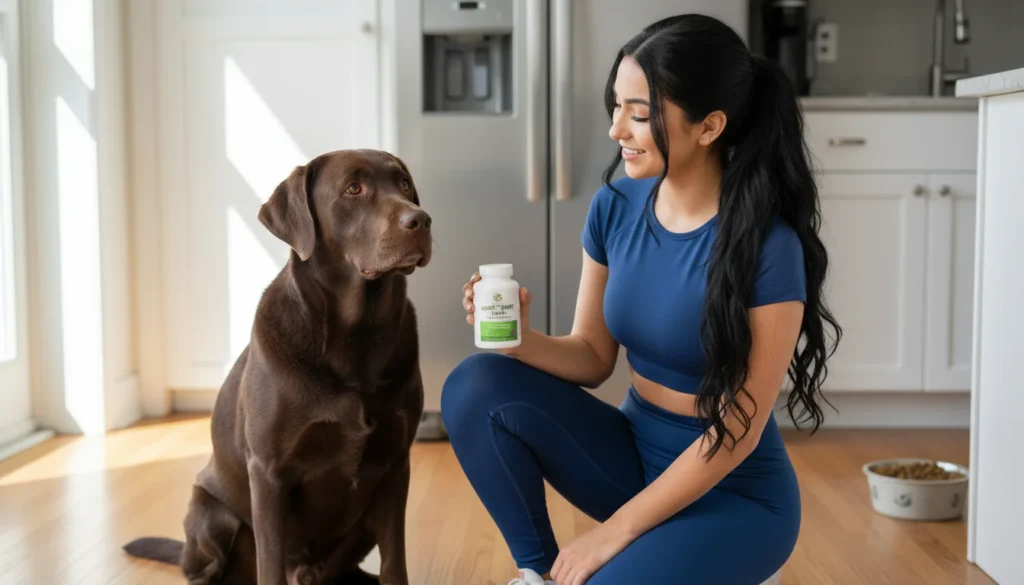
The Infection Is Gone—But Something Still Isn’t Right
Your pet finishes their antibiotic course.
The infection clears.
The vet says everything looks good.
But then…
- Stools turn loose
- Appetite changes
- Gas appears
- Energy dips
- Sensitivities show up
So you reach for gut supplements—probiotics, powders, chews—hoping to “repair” the damage.
Yet for many pet parents, results are inconsistent or disappointing.
Here’s the missing piece most people never get told:
After antibiotics, when you support the gut matters just as much as what you give.
Mistimed gut supplements can underperform, backfire, or quietly delay recovery—especially in dogs and cats with sensitive digestion.
What Antibiotics Actually Do to Your Pet’s Gut
Antibiotics don’t target only harmful bacteria.
They reduce bacterial populations broadly, including beneficial microbes.
In pets, this can cause:
- Reduced microbial diversity
- Temporary inflammation
- Altered stool consistency
- Increased gut permeability
- Weakened immune signaling
The gut doesn’t “reset” overnight once antibiotics stop.
Recovery happens in phases, and each phase needs a different type of support.
The Biggest Mistake: Treating Post-Antibiotic Gut Health as One Phase
Most supplement advice treats gut recovery as a single step:
“Give probiotics after antibiotics.”
But the gut doesn’t work that way.
After antibiotics, your pet’s digestive system moves through distinct stages:
- Suppression phase
- Transition phase
- Rebuilding phase
- Stabilization phase
Using the same supplement throughout all phases is like using the same medicine for recovery, rehabilitation, and maintenance.
Phase 1: During Antibiotics — Protect, Don’t Overload
What’s happening:
Antibiotics are actively suppressing bacteria.
At this stage:
- Many probiotics are destroyed before they can help
- High doses can increase gas or diarrhea
- The gut lining is more vulnerable
What helps most:
- Gentle feeding routines
- Consistent diet
- Vet-approved spacing if probiotics are used
Veterinary guidance from American Veterinary Medical Association supports strategic timing and spacing rather than blanket probiotic use during antibiotic therapy.
Phase 2: Immediately After Antibiotics — The Fragile Window
This is where timing becomes critical.
What’s happening:
- Bacterial populations are low
- The gut environment is unstable
- Opportunistic bacteria can take hold
Many pet parents flood the gut with probiotics immediately—thinking faster is better.
But this phase is delicate.
Too much, too fast can:
- Cause loose stools
- Increase bloating
- Trigger relapse symptoms
The goal here isn’t replacement—it’s preparation.
Phase 3: Rebuilding the Microbiome — Where Supplements Shine
This is when gut supplements work best.
What’s happening:
- The gut is receptive
- Bacteria can colonize
- Inflammation is settling
This is the ideal window for:
- Targeted probiotics
- Gentle prebiotics
- Gradual gut support
Veterinary nutrition research from Cornell University College of Veterinary Medicine emphasizes that microbial diversity restoration takes time, not force.
Phase 4: Stabilization — Supporting Long-Term Balance
Once stools normalize and digestion steadies:
- Constant probiotics are often unnecessary
- Diet becomes the main gut support
- Prebiotics play a bigger role than bacteria
Many recurring digestive issues happen because pets never move out of “repair mode.”
Comparison Table: Gut Supplements After Antibiotics — Timing Breakdown
| Recovery Phase | What the Gut Needs | Best Support | Common Mistake |
|---|---|---|---|
| During antibiotics | Protection | Diet consistency | High-dose probiotics |
| Immediately after | Gentle transition | Light support | Flooding bacteria |
| Rebuilding phase | Repopulation | Targeted probiotics | Switching too often |
| Stabilization phase | Balance | Prebiotics, diet | Long-term probiotic dependence |
Real-Life Example: Same Supplement, Different Outcome
Two dogs complete the same antibiotic course.
Dog A:
Probiotics started immediately at high dose.
Result: gas, loose stools, on-and-off diarrhea.
Dog B:
Waited several days post-antibiotics, started low-dose, diet kept stable.
Result: smooth stool normalization.
The difference wasn’t the product.
It was timing and pacing.
Why Some Pets Get Worse After Probiotics Post-Antibiotics
This surprises many pet parents.
Reasons include:
- Gut lining still inflamed
- Lack of prebiotic “fuel”
- Incorrect strain choice
- Too many CFUs too soon
Probiotics are living organisms.
Introducing them into an unstable environment doesn’t guarantee success.
Probiotics vs Prebiotics After Antibiotics: Which Comes First?
In many pets:
- Prebiotics prepare the environment
- Probiotics populate it
Using probiotics without prebiotics is like planting seeds in soil that hasn’t been watered.
Timing the combination matters more than using both immediately.
Why This Matters Today (Evergreen Reality)
Antibiotics save lives—but gut recovery is rarely discussed clearly afterward.
Without proper recovery:
- Digestion stays fragile
- Immunity weakens
- Sensitivities develop
- Diarrhea keeps returning
Post-antibiotic care isn’t optional—it’s part of completing the treatment.
Hidden Tips Most Pet Owners Don’t Hear
- Lower doses work better initially
- Consistency beats variety
- Food timing matters as much as supplement timing
- Cats need slower transitions than dogs
- Symptoms returning doesn’t mean failure—it means adjustment is needed
Common Mistakes to Avoid
- Starting multiple gut supplements at once
- Using human probiotics for pets
- Ignoring stool quality changes
- Expecting instant recovery
- Staying in “repair mode” forever
Gut healing is gradual by design.
Actionable Steps for Supporting Your Pet’s Gut After Antibiotics
- Keep diet stable during and after antibiotics
- Avoid rushing gut supplements
- Start low, increase slowly
- Match support to recovery phase
- Reassess once digestion stabilizes
Support should evolve as the gut heals.
FAQ: Gut Health Supplements After Antibiotics (Pets)
1. Should probiotics be given during antibiotics?
Sometimes, but spacing and strain selection matter.
2. How long after antibiotics should gut support continue?
Usually several weeks, depending on symptoms.
3. Can antibiotics cause long-term gut issues in pets?
They can if recovery isn’t supported properly.
4. Are prebiotics safer than probiotics post-antibiotics?
Often yes, especially in sensitive pets.
5. When should I consult my veterinarian?
If diarrhea, vomiting, or appetite issues persist or worsen.
Key Takeaways
- Antibiotics disrupt the gut in phases
- Timing matters more than product choice
- Too much support too early can backfire
- Gut recovery is gradual, not instant
- Precision creates lasting results
Conclusion: Healing the Gut Is a Process, Not a Product
Antibiotics may end an infection—but gut recovery finishes the job.
When supplements are timed correctly, they support healing quietly and effectively.
When they’re rushed, they create confusion and setbacks.
The goal isn’t more supplements.
It’s the right support, at the right time, for your pet’s unique recovery.
Disclaimer: This article is for general educational purposes and does not replace individualized veterinary advice. Always consult your veterinarian for post-antibiotic care decisions.

Dr. Chaitanya Solanki is a licensed veterinarian with over 10 years of hands-on clinical experience in companion animal medicine. As the founder of Dr. C.M.’s Pet Clinic, he has treated thousands of dogs and cats, focusing on preventive care, behavior, nutrition, and early disease detection. His writing is evidence-based, clinically informed, and designed to help pet owners make confident, responsible care decisions.
Pingback: How to Tell If Gut Supplements Are Actually Helping Your Pet
Pingback: Probiotics for Pets: Why Not All Strains Do the Same Job (What Labels Leave Out)
Pingback: Digestive Enzymes for Pets: When Gut Supplements Help—and When They Don’t
Pingback: Supplements That Support Pets During Chronic Disease — What Actually Helps Dogs and Cats Long-Term
Pingback: Why Nutrition Is Your Pet’s First Line of Defense Against Infections
Pingback: How Stress Reduces Supplement Absorption in Pets — Why Calm Matters More Than What You Give
Pingback: Why Your Pet’s Constant Gas Might Not Be “Just Food” — The Digestive Warning Signs