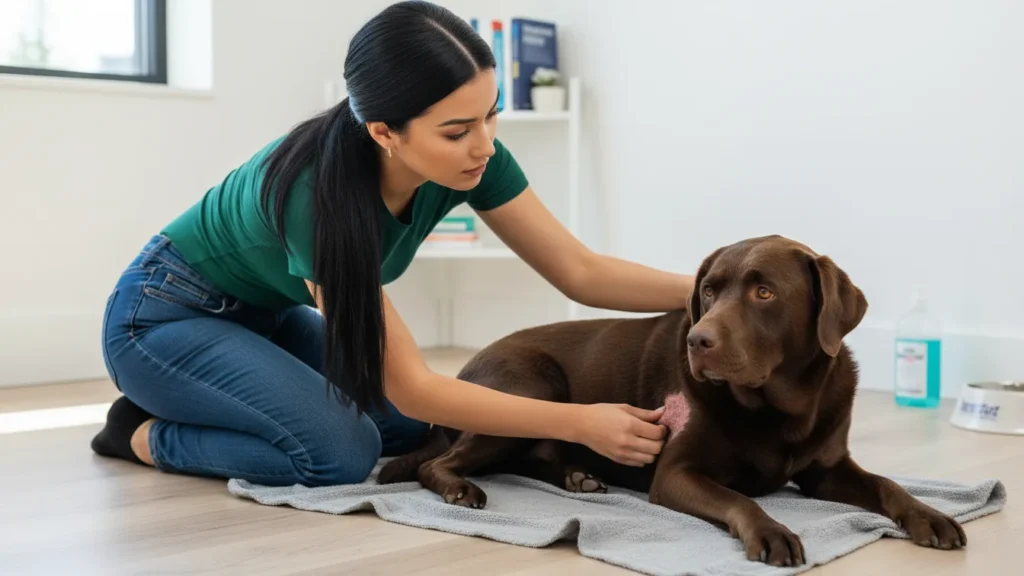
When the Treatment Works… Until It Doesn’t
You follow instructions carefully.
The antifungal shampoo.
The oral medication.
The cleaning routine.
At first, things improve.
Then the patches return.
The itching creeps back.
The hair thins again.
Many pet owners reach this point and ask the same quiet question:
“Why didn’t the treatment work?”
The uncomfortable truth is that fungal skin infections rarely fail because the medication is weak.
They fail because something else keeps reopening the door.
What Fungal Skin Infections Really Are (Beyond the Name)
Fungal skin infections aren’t a single disease.
They include:
- Dermatophyte infections (commonly called ringworm)
- Yeast overgrowth on skin and ears
- Opportunistic fungi that thrive on damaged skin
These organisms are often present in the environment—or even on the pet already.
In healthy skin, they stay controlled.
In vulnerable skin, they take over.
That distinction explains most treatment failures.
Why Antifungal Treatment Alone Often Isn’t Enough
Antifungal medications kill fungi.
They do not:
- Repair damaged skin
- Correct immune imbalance
- Remove environmental reinfection
- Fix moisture and oil disruption
So while medication reduces fungal load, the conditions that allowed the infection remain unchanged.
When treatment stops, fungi simply recolonize.
This is why relapse feels so confusing—and so common.
The Most Common Hidden Reasons Treatment Fails
Treatment failure is rarely random.
It usually falls into predictable patterns.
1. The Skin Barrier Never Fully Heals
Fungal infections damage the skin’s protective layer.
If that barrier stays weak:
- Fungi reattach easily
- Normal skin defenses don’t recover
- Mild exposure causes relapse
Many pets look “better” before they’re truly healed.
2. Moisture Keeps Feeding the Fungus
Fungi love warmth and moisture.
Common moisture traps include:
- Skin folds
- Under collars or harnesses
- Between toes
- Groin and armpits
- Around the mouth
Even daily antifungal treatment struggles when moisture is constant.
3. The Diagnosis Was Only Half Right
Not all fungal-looking lesions are purely fungal.
Many pets have mixed infections, such as:
- Fungus + bacteria
- Fungus + yeast
- Fungus triggered by allergy
Treating only one component leads to partial improvement—and relapse.
4. Treatment Was Stopped Too Early
This is one of the most common reasons failure occurs.
Fungi clear slower than symptoms improve.
Stopping medication when:
- Hair starts growing back
- Redness fades
- Itching reduces
…allows microscopic fungal spores to survive and rebound.
5. Reinfection From the Environment
Some fungi don’t just live on the pet.
They persist in:
- Bedding
- Grooming tools
- Carpets
- Crates
- Multi-pet households
Treating the pet alone can feel like drying the floor while the tap stays open.
Ringworm vs Yeast: Why They Fail for Different Reasons
Not all fungal infections behave the same way.
| Feature | Ringworm (Dermatophyte) | Yeast Overgrowth |
|---|---|---|
| Source | Environment or contact | Normal skin flora |
| Contagious | Yes | No |
| Main trigger | Exposure + skin weakness | Moisture + inflammation |
| Treatment failure | Reinfection, early stopping | Ongoing skin imbalance |
| Long-term control | Environmental control | Skin health management |
Understanding which fungus you’re dealing with changes the strategy entirely.
Real-Life Example: When “Strong Medicine” Isn’t the Fix
A dog presents with circular hair loss.
Antifungal medication improves lesions quickly.
Treatment stops at three weeks.
Six weeks later:
- New lesions appear
- Old areas flare again
The issue wasn’t resistance.
The issue was:
- Incomplete duration
- Untreated bedding
- Ongoing allergy-driven skin inflammation
Once all three were addressed, the infection resolved fully.
Why Steroids Can Quietly Sabotage Fungal Treatment
Steroids reduce redness and itching.
They also suppress local immune defense.
When used without proper diagnosis:
- Fungal growth accelerates
- Lesions look better briefly
- Infection spreads deeper
This creates the illusion of treatment failure when the real issue is immune suppression.
The Role of Nutrition and Immunity in Fungal Relapse
Fungal infections thrive when immunity dips—even slightly.
Contributing factors include:
- Poor-quality protein intake
- Omega-3 deficiency
- Chronic stress
- Underlying illness
- Frequent antibiotic use
Nutrition doesn’t replace medication—but it determines how well skin recovers afterward.
Mistakes That Quietly Keep Fungal Infections Alive
Many relapses happen unintentionally.
Common mistakes:
- Sharing grooming tools between pets
- Skipping environmental cleaning
- Over-bathing with harsh shampoos
- Using human antifungals incorrectly
- Treating visible lesions only
- Assuming “no itching” means cure
Small oversights compound over time.
How Vets Approach Fungal Infections That Don’t Clear
When treatment fails, the approach changes.
Veterinarians may:
- Reconfirm diagnosis
- Look for mixed infections
- Extend treatment duration
- Adjust topical vs oral balance
- Investigate allergies or hormones
- Review household hygiene
Persistence isn’t resistance—it’s usually context.
Actionable Steps That Improve Treatment Success
If a fungal infection keeps returning, these steps matter:
- Complete the full course, even after improvement
- Clean bedding and tools regularly during treatment
- Keep skin dry after bathing or swimming
- Avoid steroids unless clearly indicated
- Address underlying skin inflammation
- Monitor new spots early, not late
Consistency beats intensity.
Why This Matters More Than People Realize
Chronic fungal infections aren’t just cosmetic.
Over time they:
- Damage skin integrity
- Invite secondary infections
- Increase treatment costs
- Frustrate owners
- Reduce pet comfort
Early, complete, and holistic treatment prevents years of cycling relapse.
Key Takeaways
- Fungal infections fail when underlying triggers remain
- Antifungals kill fungi but don’t fix skin weakness
- Early stopping is a leading cause of relapse
- Moisture and environment play major roles
- Long-term success depends on skin health, not just medication
Frequently Asked Questions
Why does my pet’s fungal infection come back after treatment?
Because the skin barrier or environment wasn’t fully addressed, allowing reinfection.
Can fungal infections clear without medication?
Rarely. Most require antifungal therapy combined with skin support.
Are fungal infections a sign of poor hygiene?
No. They are more closely linked to immunity and skin health than cleanliness.
Is ringworm always contagious?
Ringworm can spread, but proper treatment and hygiene greatly reduce risk.
How long should fungal treatment last?
Often longer than symptoms suggest—your vet guides duration based on response, not appearance.
Clearing the Infection Means Fixing the Environment It Lives In
Fungal infections aren’t stubborn because they’re strong.
They’re stubborn because the conditions that support them are easy to overlook.
Once those conditions change, treatment finally sticks—and skin stays healthy.
Disclaimer: This article is for general educational purposes only and is not a substitute for professional veterinary evaluation or care.

Dr. Chaitanya Solanki is a licensed veterinarian with over 10 years of hands-on clinical experience in companion animal medicine. As the founder of Dr. C.M.’s Pet Clinic, he has treated thousands of dogs and cats, focusing on preventive care, behavior, nutrition, and early disease detection. His writing is evidence-based, clinically informed, and designed to help pet owners make confident, responsible care decisions.
Pingback: Why Antibiotics Keep Failing in Recurrent Skin Infections — And What Actually Heals the Skin