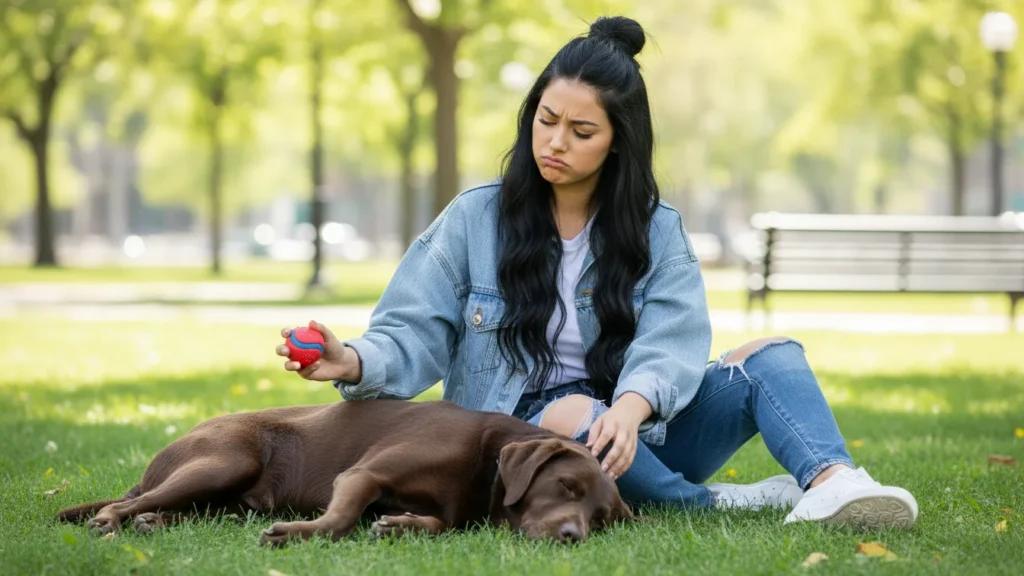
“That’s Just Old Dog Behavior”
Every senior dog owner hears—or says—this phrase.
“He doesn’t play anymore.”
“She sleeps all day now.”
“He’s grumpy because he’s old.”
It sounds reasonable.
It feels comforting.
And it’s often only half true.
Because while aging does bring change, many behaviors we casually label as “old dog behavior” are actually early signs of underlying health issues—quiet, progressive problems that don’t announce themselves with emergencies or obvious pain.
This article will help you understand:
- Why senior dog behavior changes happen
- Which changes are normal—and which are not
- The hidden health issues behind common “old dog” habits
- How early awareness can dramatically improve quality of life
Why “Old Dog Behavior” Is a Risky Assumption
Aging is a process, not a diagnosis.
When owners assume behavior changes are inevitable, they often stop asking why those changes are happening. That’s where problems grow quietly.
Dogs don’t lose joy, curiosity, or connection simply because they age.
They lose them when something makes engaging with the world harder.
Behavior changes are rarely random.
They are usually adaptive responses to discomfort, confusion, or reduced capacity.
The Most Common “Old Dog Behaviors” Owners Dismiss
These behaviors are frequently explained away—but deserve closer attention.
Sleeping Most of the Day
More sleep can be normal.
Sleeping to avoid movement or interaction is not.
Slowing Down on Walks
A gentle slowdown is expected.
Consistently lagging, stopping, or avoiding walks suggests something deeper.
Becoming Quiet or Withdrawn
Calmness still includes engagement.
Withdrawal is often protective, not peaceful.
Increased Irritability
Dogs don’t become cranky for no reason.
Irritability often reflects pain or reduced tolerance.
“Forgetting” Commands or Routines
This is often misread as stubbornness—but frequently reflects neurological change.
The Hidden Health Issues Behind These Behaviors
Let’s break down what’s often happening beneath the surface.
1. Chronic Pain That Rarely Looks Like Pain
One of the most common—and missed—issues in senior dogs is chronic pain.
Joint disease, spinal discomfort, dental problems, and soft tissue strain develop slowly. Dogs adapt by:
- Moving less
- Avoiding interaction
- Changing posture
- Becoming quieter
By the time limping appears, pain has often been present for months.
Pain doesn’t always scream.
Often, it whispers through behavior.
2. Cognitive Changes in the Aging Brain
Some senior dogs experience age-related cognitive decline.
This can look like:
- Reduced responsiveness
- Disorientation
- Sleep–wake cycle changes
- Loss of interest in interaction
Owners may describe these dogs as “checked out” or “not themselves.”
This isn’t bad behavior.
It’s neurological processing change.
3. Sensory Decline (Vision and Hearing Loss)
As senses fade, dogs interact less with their environment.
They may:
- Miss cues
- Startle less—or more
- Respond slowly
- Appear disinterested
What looks like apathy is often reduced perception.
4. Fatigue From Reduced Internal Efficiency
Heart, lung, and metabolic systems become less efficient with age.
Dogs may:
- Tire quickly
- Rest longer
- Avoid exertion
This fatigue isn’t laziness—it’s conservation.
5. Emotional Stress From Physical Vulnerability
As bodies become less predictable, confidence drops.
Senior dogs often:
- Avoid stimulation
- Stick to familiar spaces
- Reduce social interaction
Quietness becomes emotional self-protection.
Normal Aging vs. Hidden Health Issues
Here’s where clarity matters most.
| Behavior | Likely Normal Aging | Possible Health Issue |
|---|---|---|
| Slightly slower pace | ✔ | |
| Avoiding walks entirely | ✔ | |
| More naps | ✔ | |
| Sleeping through the day | ✔ | |
| Calm demeanor | ✔ | |
| Withdrawal or irritability | ✔ |
Normal aging is gentle and steady.
Health issues disrupt routines and personality.
Why Owners Miss the Warning Signs
Most owners don’t ignore their dogs—they reinterpret them.
Gradual Change Feels Invisible
Daily exposure makes slow decline hard to notice.
Appetite Creates False Reassurance
Many dogs with pain or illness eat normally.
Calm Feels Positive
Less demanding behavior is often mistaken for maturity.
Fear of Overreacting
Owners delay action to avoid seeming dramatic.
Ironically, early attention is usually simple and gentle.
Real-Life Example: The “Good Old Dog”
A senior dog becomes easier.
Less energetic.
Less demanding.
Always resting.
The family appreciates the calm.
Months later, pain, stiffness, and anxiety are severe—making intervention harder and recovery slower.
The “good behavior” was actually adaptation to discomfort.
Why This Matters Today (And Always Will)
Dogs are living longer lives than ever before.
That means:
- Longer aging periods
- More chronic but manageable conditions
- Greater responsibility to read subtle signs
Aging well isn’t about preventing change.
It’s about responding intelligently to it.
What Owners Can Do When Behavior Changes Appear
You don’t need to panic.
You need to observe patterns.
Ask Yourself:
- Did this change happen faster than expected?
- Has personality shifted along with activity?
- Is my dog avoiding things they once enjoyed?
- Is recovery after activity slower than before?
Patterns reveal far more than single incidents.
Actionable Steps That Make a Difference
Small changes can dramatically improve comfort.
1. Improve Physical Comfort
- Supportive bedding
- Non-slip floors
- Easier access to favorite spots
2. Adjust Expectations, Not Affection
Older dogs may show love quietly.
Presence replaces play.
Eye contact replaces excitement.
Connection doesn’t disappear—it changes.
3. Avoid Punishing “Behavior Problems”
Pain-driven behaviors can’t be trained away.
Pressure increases withdrawal and stress.
4. Schedule Senior-Focused Evaluations
Age-aware check-ups focus on trends—not emergencies.
Early insight often means better outcomes.
Common Mistakes That Delay Help
- Waiting for obvious pain
- Assuming appetite equals health
- Treating changes as obedience issues
- Comparing one dog’s aging to another’s
Every dog ages differently.
Hidden Tip: Watch What Stops First
The earliest warning sign is often what your dog chooses not to do anymore.
Avoidance speaks louder than complaints.
Key Takeaways
- “Old dog behavior” often hides real health issues
- Pain, cognitive change, and fatigue show up quietly
- Behavior is communication—not attitude
- Early awareness protects comfort and dignity
- Aging well depends on observation, not assumptions
Frequently Asked Questions
1. Is all behavior change in senior dogs concerning?
No—but sudden, progressive, or personality-altering changes deserve attention.
2. My dog eats well but seems withdrawn. Is that okay?
Appetite alone doesn’t rule out pain or illness.
3. Should I encourage activity in an older dog?
Gently, yes. Forcing activity can increase discomfort and stress.
4. Do all senior dogs develop cognitive issues?
No, but mild changes are common and benefit from early recognition.
5. When should I stop assuming it’s “just age”?
When behavior changes limit joy, connection, or daily routines.
Conclusion: Aging Explains Time—Not Everything
Aging changes how dogs live.
It doesn’t explain away discomfort, withdrawal, or loss of joy.
When owners stop labeling changes as “just old dog behavior” and start listening to what behavior is saying, they often uncover opportunities to give their dogs something invaluable in their later years: comfort, understanding, and dignity.
Disclaimer: This article is for general educational purposes only and is not a substitute for professional veterinary advice or evaluation.

Dr. Chaitanya Solanki is a licensed veterinarian with over 10 years of hands-on clinical experience in companion animal medicine. As the founder of Dr. C.M.’s Pet Clinic, he has treated thousands of dogs and cats, focusing on preventive care, behavior, nutrition, and early disease detection. His writing is evidence-based, clinically informed, and designed to help pet owners make confident, responsible care decisions.
Pingback: Why Older Pets Suddenly Change Behavior — The Quiet Signals Many Owners Miss Until It’s Serious