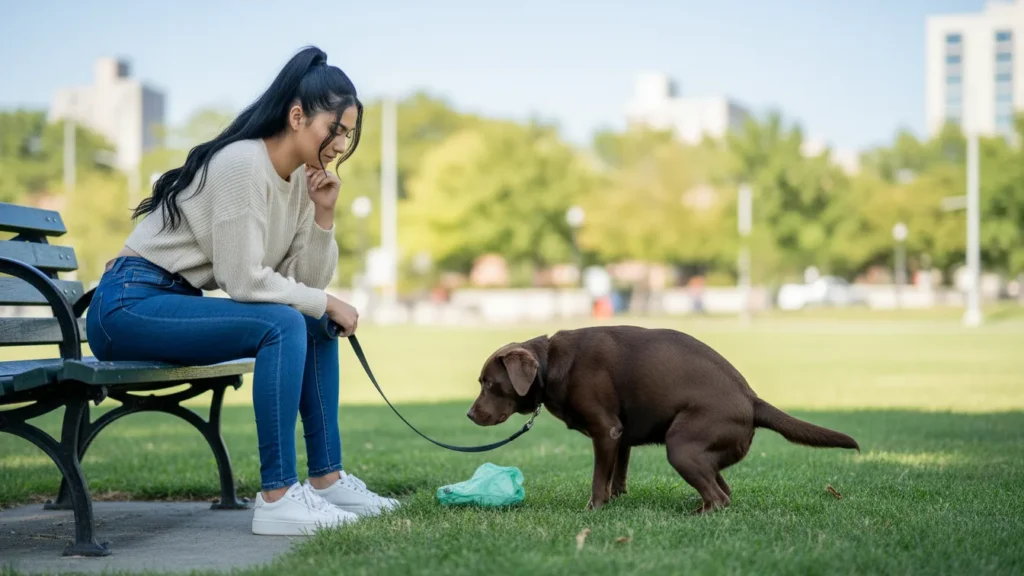
The Health Check Most Owners Walk Past
Every walk ends the same way.
You pick up the poop.
You tie the bag.
You move on.
Most dog owners notice color only when it’s extreme and frequency only when it’s inconvenient. But texture — the single most revealing detail — is usually ignored.
Veterinarians don’t ignore it.
Because stool texture often changes long before appetite, energy, or behavior do. It’s one of the earliest and most reliable indicators of what’s happening inside a dog’s digestive system.
And once you learn how to read it, poop stops being unpleasant — and starts becoming information.
Why Stool Texture Is More Important Than Stool Frequency
Many owners focus on how often their dog poops.
Vets focus on how it looks and holds together.
Why?
Because texture reflects:
- How well food is digested
- How efficiently nutrients are absorbed
- How balanced the gut bacteria are
- How inflamed or calm the intestines feel
A dog can poop once a day and still be unhealthy.
Another can poop twice a day and be perfectly fine.
Texture tells the real story.
What “Ideal” Stool Texture Actually Means
Healthy stool isn’t just about being solid.
Ideal dog stool should be:
- Firm but not hard
- Easy to pick up without crumbling
- Slightly moist, not dry or sticky
- Uniform from start to finish
This indicates:
- Proper digestion in the small intestine
- Balanced water absorption in the colon
- Stable gut motility
Anything outside this range is a message.
The Stool Texture Spectrum (And What Each Type Signals)
1. Very Hard, Dry, or Pebble-Like Stool
Often mistaken as “normal” because it’s easy to pick up.
But hard stool can signal:
- Dehydration
- Low fiber imbalance
- Poor fat digestion
- Sluggish gut movement
Over time, this texture strains the colon and can cause discomfort — even if your dog doesn’t show it.
2. Firm but Crumbly Stool
This stool holds shape but breaks apart quickly.
Common causes include:
- Incomplete digestion
- Poor nutrient absorption
- Low-grade gut inflammation
It’s often seen in dogs that “seem fine” but aren’t extracting full value from their food.
3. Soft, Formed Stool (The Gray Zone)
This is where most confusion happens.
Soft stool that still holds shape may look harmless, but frequent softness suggests:
- Mild food intolerance
- Early gut imbalance
- Stress-related digestion changes
This texture often appears weeks before chronic diarrhea.
4. Loose, Pudding-Like Stool
At this stage, the gut is struggling.
Possible reasons:
- Rapid intestinal transit
- Poor water absorption
- Active inflammation
- Sudden diet changes
If this texture becomes frequent, it’s no longer “just sensitive stomach.”
5. Watery Diarrhea
This is not subtle — and usually gets attention fast.
But by the time stool reaches this stage, the issue is already advanced. Texture warnings were usually present earlier.
Why Texture Changes Before Behavior Does
Dogs are survival-driven animals.
They instinctively hide weakness.
Digestive discomfort doesn’t always cause visible pain, but it always affects stool. That’s because stool is the end result of every digestive process that came before it.
So while your dog:
- Eats normally
- Plays normally
- Acts happy
…the gut may already be compensating.
Stool texture is often the first outward clue that the gut is under strain.
A Vet’s Perspective: Why Stool Is Asked About First
During routine exams, vets often ask:
“How are the stools?”
Not because they’re being polite — but because stool answers questions that blood tests sometimes can’t.
Texture reveals:
- Enzyme efficiency
- Fat digestion quality
- Colon health
- Stress effects on digestion
A dog with perfect energy but poor stool texture is often on the edge of a larger issue.
Real-Life Example: The Dog Who “Just Had Soft Poop”
A young adult dog presents with no complaints — except “soft stools sometimes.”
No vomiting.
No appetite loss.
No weight change.
Diet review reveals:
- High-fat treats
- Inconsistent feeding times
Minor adjustments restore firm stools — preventing long-term gut irritation that would have eventually shown up as chronic diarrhea.
Texture spoke early.
Listening saved trouble.
The Hidden Factors That Change Stool Texture
Stool texture isn’t only about food.
It’s influenced by:
- Stress and routine changes
- Antibiotic history
- Speed of eating
- Gut bacteria balance
- Fat and fiber ratios
- Hydration levels
This is why copying another dog’s diet rarely works the same way.
Common Owner Mistakes Around Stool Texture
- Assuming “as long as it’s not diarrhea, it’s fine”
- Focusing only on color, not consistency
- Changing foods too often
- Adding supplements randomly
- Ignoring gradual texture shifts
Most chronic gut issues start with small texture changes that were dismissed.
Stool Texture vs Stool Color: Which Matters More?
Both matter — but texture often changes first.
| Feature | Texture | Color |
|---|---|---|
| Early gut stress | ✅ Yes | ❌ Rare |
| Digestion efficiency | ✅ Strong indicator | ⚠️ Limited |
| Hydration balance | ✅ Clear signal | ❌ No |
| Urgency level | Moderate | High when abnormal |
Texture is subtle — but powerful.
What You Can Do to Monitor Stool Texture Better
Simple daily habits:
- Look before you pick up
- Notice firmness from start to end
- Track changes over a week, not a day
- Link texture to diet or routine shifts
- Avoid panic — look for patterns
Consistency over time matters more than single incidents.
Why This Matters Today (And Always Will)
Modern dogs face:
- More processed diets
- Less dietary variety
- Higher stress environments
- Longer lifespans
That makes gut health a long-term priority, not a reactive one.
Stool texture offers a free, daily health report — if owners learn to read it.
Key Takeaways
- Stool texture is one of the earliest health indicators in dogs
- Changes often appear before behavior or appetite shifts
- Soft or hard stools aren’t always “normal”
- Texture reflects digestion, absorption, and gut balance
- Paying attention early prevents chronic digestive issues
Frequently Asked Questions
1. Is soft stool always a problem?
Not always, but repeated softness often signals early digestive imbalance.
2. Can stress really change stool texture?
Yes. Stress directly affects gut motility and water absorption.
3. Should stool be identical every day?
Minor variation is normal. Persistent changes are not.
4. Is hard stool healthier than soft stool?
No. Extremely hard stool can indicate dehydration or poor digestion.
5. When should stool texture prompt a vet visit?
If changes persist beyond 2–3 weeks or worsen over time.
Conclusion: The Health Signal Right Under Your Feet
Stool texture isn’t glamorous.
It isn’t comfortable to talk about.
But it’s one of the most honest health signals your dog offers — every single day.
Learning to notice it doesn’t make you obsessive.
It makes you informed.
And informed owners catch problems early, when solutions are simpler and dogs stay healthier longer.
Disclaimer: This article is for general informational purposes only and is not a substitute for professional veterinary advice.

Dr. Chaitanya Solanki is a licensed veterinarian with over 10 years of hands-on clinical experience in companion animal medicine. As the founder of Dr. C.M.’s Pet Clinic, he has treated thousands of dogs and cats, focusing on preventive care, behavior, nutrition, and early disease detection. His writing is evidence-based, clinically informed, and designed to help pet owners make confident, responsible care decisions.
Pingback: What Vets Notice in Stool Color Long Before Symptoms Become Obvious