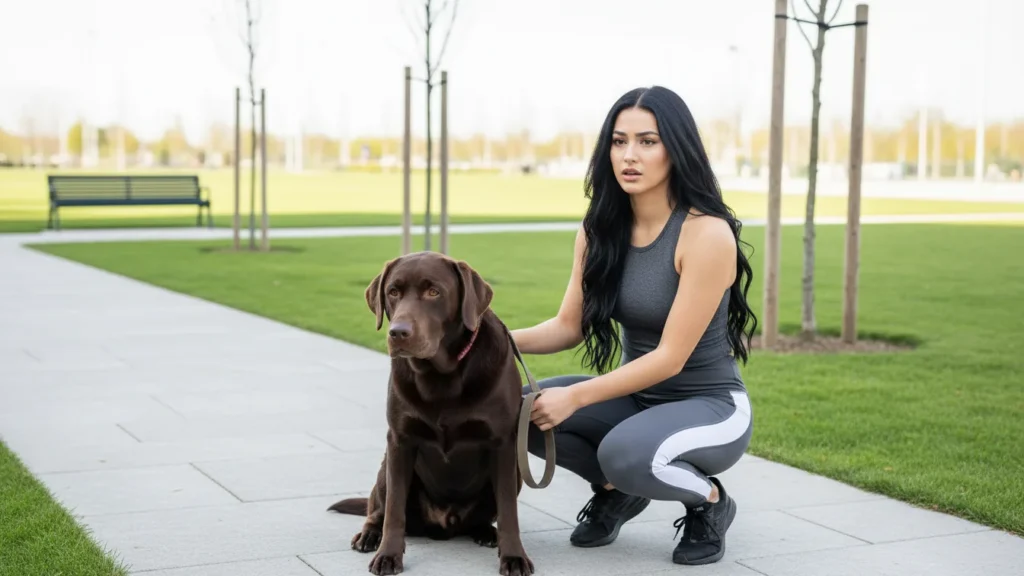
The Regret Almost Every Owner Shares
It usually starts the same way.
“He was still eating.”
“She was still wagging her tail.”
“He didn’t cry or limp.”
So the signs felt… small.
And by the time it was clear something was wrong, many owners say the same thing:
“I wish I’d noticed earlier.”
Dogs rarely go from healthy to seriously ill overnight.
They whisper long before they scream.
Why Dogs Show Warning Signs So Early—but So Quietly
Dogs evolved to hide weakness.
In the wild, visible illness meant vulnerability. That instinct remains deeply wired, even in loved, well-cared-for pets.
So instead of dramatic symptoms, dogs:
- Adjust behavior
- Modify movement
- Change habits subtly
- Compensate physically and emotionally
These changes are easy to miss—especially when daily life is busy.
But they are never random.
The Pattern Behind Missed Warning Signs
Most early warning signs fall into one of three categories:
- Behavioral shifts
- Movement changes
- Routine disruptions
Individually, they seem harmless.
Together, they form a story.
1. “He’s Just Calmer Than Usual”
A sudden drop in energy is one of the most commonly ignored signs.
Dogs don’t slow down without a reason.
Early causes can include:
- Low-grade pain
- Internal inflammation
- Early joint stress
- Chronic discomfort
- Metabolic imbalance
What owners often say:
- “He’s maturing.”
- “She’s finally settled.”
- “He had a busy week.”
What’s really happening:
The body is conserving energy.
2. Subtle Changes in Movement (Before Limping Ever Appears)
Most owners wait for limping.
But limping is late-stage communication.
Earlier signs include:
- Hesitation before stairs
- Avoiding jumping into cars or beds
- Sitting differently
- Standing up slowly
- Taking longer to lie down
Dogs adapt movement patterns to avoid pain long before pain becomes obvious.
3. Changes in How Your Dog Sleeps
Sleep changes are often dismissed as comfort preferences.
But early warning signs include:
- Sleeping more during the day
- Changing sleeping positions frequently
- Avoiding hard surfaces
- Seeking warmer or cooler spots unusually
Pain, inflammation, or internal discomfort often disrupt rest long before appetite or activity change dramatically.
4. Subtle Appetite and Eating Behavior Shifts
A dog doesn’t need to stop eating for appetite to be a concern.
Early signs include:
- Eating more slowly
- Leaving small amounts behind
- Dropping food while chewing
- Preferring softer foods
- Hesitating before meals
These can point to:
- Dental discomfort
- Gastrointestinal issues
- Nausea
- Stress-related changes
5. Behavioral Withdrawal That Looks Like “Good Behavior”
One of the most misunderstood signs.
Dogs who feel unwell may:
- Seek less interaction
- Stop initiating play
- Stay close but disengaged
- Avoid eye contact
- Become unusually quiet
Owners often interpret this as obedience or maturity.
In reality, it’s often self-protection.
Early Warning Signs vs Obvious Symptoms
| Early Warning Sign | Later Obvious Symptom |
|---|---|
| Slight lethargy | Extreme fatigue |
| Movement hesitation | Limping |
| Eating slower | Refusing food |
| Sleeping more | Difficulty resting |
| Mild behavior change | Clear distress |
The earlier signs offer time.
The later signs demand urgent action.
Real-Life Example: “We Thought He Was Just Aging”
A 7-year-old dog:
- Walked a little slower
- Stopped jumping onto the couch
- Slept more during the day
No limping.
No crying.
Normal appetite.
Months later, significant joint disease was diagnosed.
The owner’s words:
“If we’d acted when the changes started, things would’ve been easier for him.”
Why Owners Miss These Signs (And It’s Understandable)
❌ Life Is Busy
Subtle changes blend into routine.
❌ Dogs Still Act “Normal”
Tail wagging doesn’t equal comfort.
❌ Fear of Overreacting
Many owners worry about being “paranoid.”
❌ Gradual Changes Feel Invisible
Slow shifts don’t trigger alarm.
Missing signs doesn’t mean you’re careless—it means dogs are exceptionally good at hiding discomfort.
Hidden Tip Most Owners Don’t Know
Dogs often show early warning signs only at home.
In unfamiliar places:
- Adrenaline masks discomfort
- Excitement overrides pain signals
- Stress alters behavior temporarily
That’s why vet visits can look “normal” while home behavior quietly changes.
Home observation matters most.
The Body Systems Most Often Involved Early
Early warning signs commonly relate to:
- Joints and muscles
- Digestive system
- Hormonal balance
- Low-grade inflammation
- Dental discomfort
These systems degrade gradually, not suddenly.
Behavior changes are often the first measurable sign.
Actionable Steps Every Dog Owner Can Take
- Trust pattern changes, not single moments
- Compare behavior month-to-month, not day-to-day
- Notice what your dog stops doing first
- Keep mental notes of movement and energy
- Act early—even without dramatic symptoms
Early action doesn’t mean panic.
It means prevention.
Why This Matters Today
Dogs are living longer than ever.
Longer life means:
- More chronic conditions
- Slower-developing illnesses
- Greater value in early detection
Veterinary medicine can do more than ever—but timing matters.
The earlier the signal is noticed, the more options exist.
Key Takeaways
- Dogs show early warning signs quietly and gradually
- Behavior and movement changes often appear first
- Waiting for dramatic symptoms delays care
- Early signs offer the best chance for intervention
- Awareness is one of the most powerful tools owners have
Frequently Asked Questions (FAQs)
1. Are early warning signs always serious?
Not always, but persistent changes should never be ignored.
2. How long should I observe before acting?
If a change lasts more than a few days or repeats, it’s worth addressing.
3. Can stress cause similar signs?
Yes—but stress itself is still a signal that deserves attention.
4. Do young dogs show early warning signs too?
Absolutely. Age does not protect dogs from discomfort or illness.
5. Should I wait if my dog still eats and plays?
No. Those are reassuring signs, but they don’t rule out early problems.
A Thought Every Dog Owner Deserves to Hear
Dogs don’t ask for much.
They don’t complain loudly.
They don’t demand explanations.
They simply adjust—and hope we notice.
When we learn to recognize the quiet signs, we don’t just catch illness earlier.
We protect comfort, dignity, and quality of life—long before regret ever enters the picture.
Disclaimer: This article is for general awareness and education only and does not replace personalized veterinary advice.

Dr. Chaitanya Solanki is a licensed veterinarian with over 10 years of hands-on clinical experience in companion animal medicine. As the founder of Dr. C.M.’s Pet Clinic, he has treated thousands of dogs and cats, focusing on preventive care, behavior, nutrition, and early disease detection. His writing is evidence-based, clinically informed, and designed to help pet owners make confident, responsible care decisions.
Pingback: Why Sudden Calm Isn’t Always a Good Sign