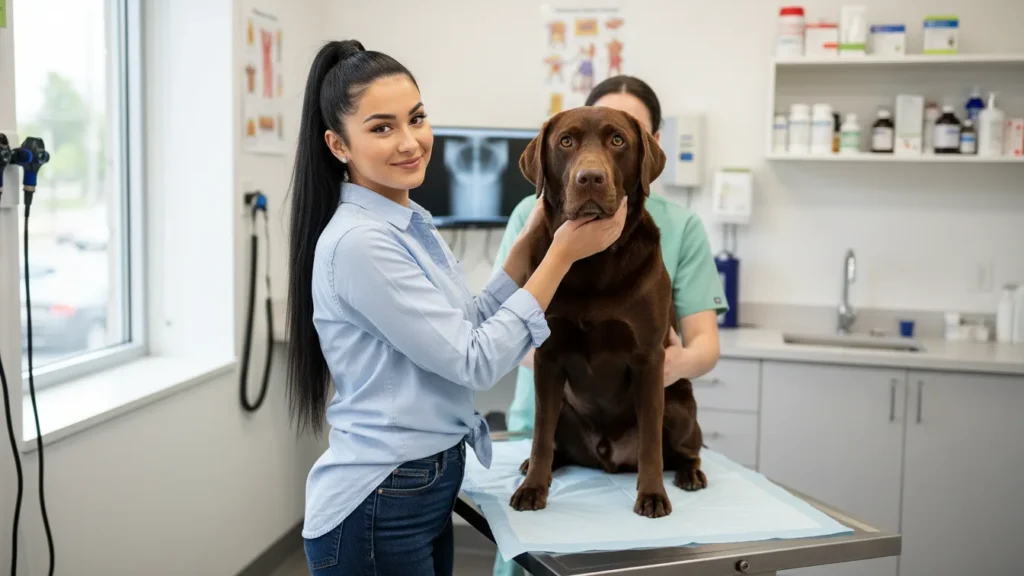
The Vet Visit That Looks Simple—but Isn’t
To many pet owners, a routine vet checkup feels uneventful.
No emergency.
No alarming symptoms.
No urgent treatment.
Just a quick exam, maybe a few questions, and you’re back home.
But what looks simple on the surface is one of the most powerful tools in modern veterinary medicine. Routine checkups quietly protect pets from diseases owners never see coming.
Their true value isn’t obvious in the moment—but it often becomes very clear later.
Why Routine Vet Checkups Are Often Underrated
Most people associate vet visits with illness.
So when a pet seems healthy, the visit feels optional.
But veterinary medicine doesn’t work on visible illness alone—it works on patterns, trends, and early signals. Routine check-ups create a medical baseline that allows vets to spot change long before it turns into disease.
Without that baseline, subtle decline blends into “normal.”
What a Routine Vet Checkup Really Evaluates
A wellness exam is not just a physical once-over.
It’s a layered health assessment that includes:
- Full-body physical examination
- Weight and body condition scoring
- Oral and dental evaluation
- Heart and lung assessment
- Joint and mobility checks
- Skin and coat health review
- Behavior and lifestyle discussion
Each part answers a different health question—many of which symptoms cannot.
The Diseases Routine Checkups Catch Early (Before Symptoms Appear)
1. Kidney Disease
Kidney issues progress silently.
Routine blood and urine tests often detect:
- Early filtration problems
- Concentration changes
- Mild dehydration patterns
By the time symptoms appear, more than two-thirds of kidney function may already be lost.
2. Dental Disease with Systemic Impact
Dental infections don’t start with pain.
Routine oral exams catch:
- Gum inflammation
- Early tooth root infection
- Tartar-related bacterial spread
Left untreated, dental disease can affect the heart, kidneys, and liver.
3. Liver Dysfunction
The liver compensates exceptionally well.
Routine bloodwork can reveal:
- Elevated enzymes
- Inflammatory changes
- Toxic stress
Long before appetite loss or vomiting begins.
4. Weight-Related Disorders
Small weight changes often go unnoticed at home.
Routine weigh-ins detect:
- Early obesity
- Muscle loss
- Metabolic slowdown
Weight trends are often the first sign of hormonal or systemic disease.
5. Cancer at an Earlier, Treatable Stage
Not all cancers cause immediate symptoms.
Routine exams may reveal:
- Small masses
- Subtle blood abnormalities
- Changes in lymph nodes
Early-stage detection expands treatment options and improves outcomes.
Routine Checkups vs Symptom-Based Vet Visits
| Aspect | Routine Checkups | Symptom-Based Visits |
|---|---|---|
| Detection | Early, subtle | Late, obvious |
| Disease stage | Often manageable | Often advanced |
| Cost | Predictable | High, urgent |
| Stress | Low | Extremely high |
| Outcome | Better prognosis | Uncertain |
Routine care shifts medicine from reaction to prevention.
A Real-Life Example Vets See All the Time
A dog comes in for an annual exam.
The owner nearly skipped it—“He seems normal.”
Bloodwork shows early liver stress.
With:
- Diet adjustment
- Medication support
- Monitoring
The dog remains stable for years.
Without that visit, the first sign might have been a medical emergency.
Same dog.
Same owner.
Different future.
Why This Matters Today (More Than Ever)
Pets are living longer lives.
Longer lifespans increase exposure to:
- Chronic organ disease
- Cancer
- Metabolic disorders
- Age-related decline
Modern veterinary guidelines—supported by organizations like the World Small Animal Veterinary Association—recommend preventive check-ups as the foundation of lifelong pet health.
Routine care isn’t extra care.
It’s modern, evidence-based care.
The Emotional Value Most Owners Don’t Expect
Routine vet visits don’t just protect pets.
They protect pet parents from:
- Sudden emergencies
- Emotional shock
- Regret and guilt
- Rushed decisions under stress
Knowing you’re monitoring health proactively brings peace of mind that no emergency visit ever can.
Hidden Tips to Get More Value from Routine Checkups
- Bring notes about small behavior changes
- Ask for trend comparisons, not just “normal” results
- Discuss lifestyle changes openly
- Track weight between visits
- Ask what screenings are age-appropriate—not generic
A good checkup is a conversation, not just an exam.
Common Mistakes That Reduce the Value of Vet Visits
- ❌ Skipping routine labs because the pet “looks fine”
- ❌ Waiting for symptoms before booking appointments
- ❌ Treating aging as a diagnosis
- ❌ Ignoring dental health
- ❌ Viewing preventive care as optional
Most preventable disease thrives on delay.
Simple, Actionable Steps for Pet Parents
- Schedule annual wellness exams (every 6 months for senior pets)
- Establish baseline blood and urine tests
- Track your pet’s weight monthly
- Ask about age- and breed-specific screening
- Address small changes early—don’t wait
Consistency matters more than perfection.
Key Takeaways
- Routine vet checkups detect disease before symptoms appear
- Early detection leads to simpler, more effective treatment
- Preventive care reduces long-term costs and stress
- Baseline health data is invaluable over time
- Routine visits protect both pets and pet parents
Frequently Asked Questions
1. If my pet seems healthy, are routine checkups really necessary?
Yes. Many serious diseases develop silently and are only detectable through exams and tests.
2. How often should pets have routine checkups?
Most pets benefit from annual exams; seniors often need visits every six months.
3. Do routine checkups always require blood tests?
Not always, but baseline and periodic testing greatly improve early detection.
4. Are routine vet visits stressful for pets?
Short, calm visits are far less stressful than emergency care.
5. Can routine checkups actually extend my pet’s life?
Yes. Early detection and management significantly improve longevity and quality of life.
A Simple, Honest Conclusion
Routine vet checkups don’t feel dramatic.
They don’t come with alarms or urgency.
But they quietly prevent crises, protect quality of life, and give pets the best chance at long, healthy years.
The real value of a routine visit isn’t what happens that day.
It’s what never has to happen later.
Disclaimer: This article is for general pet health education and does not replace personalized veterinary advice. Always consult your veterinarian for individual care decisions.

Dr. Chaitanya Solanki is a licensed veterinarian with over 10 years of hands-on clinical experience in companion animal medicine. As the founder of Dr. C.M.’s Pet Clinic, he has treated thousands of dogs and cats, focusing on preventive care, behavior, nutrition, and early disease detection. His writing is evidence-based, clinically informed, and designed to help pet owners make confident, responsible care decisions.
Pingback: Why Preventive Care Saves More Than It Costs—For Pets, Wallets, and Peace of Mind
Pingback: The Hidden Health Issues Behind “Old Dog Behavior” — What Looks Like Age but Often Isn’t
Pingback: The Health Problems That Preventive Care Stops Before They Start — The Quiet Protection Most Pet Owners Never See
Pingback: Why Vets Worry When Owners Delay Routine Care — The Silent Damage That Builds Long Before Illness Shows
Pingback: Why Preventive Medicine Extends Lifespan — The Quiet Choices That Add Years Before Illness Ever Begins
Pingback: Why Your Pet’s Breath Suddenly Smells Different — The Internal Disease Clue Hiding in Plain Sight
Pingback: Milk Thistle for Pets Explained: Benefits, Risks, Dosage, and What Vets Want You to Know