
The Pain You Don’t Hear — But Your Dog Feels
Your dog is still eating.
Still walking.
Still wagging their tail.
Nothing looks alarming.
And yet, something feels… different.
In my clinical experience, many pet parents bring their dogs in saying:
“I can’t explain it. He’s not crying. He’s not limping. But he’s just not himself.”
That sentence matters more than most people realize.
Because dogs rarely express pain the way humans expect them to. There’s no dramatic reaction. No constant whining. No clear signal that says this hurts.
Instead, pain in dogs is usually quiet. Subtle. Easy to miss.
And that’s exactly why so many owners overlook it.

Why Dogs Are So Good at Hiding Pain
This surprises almost every pet parent.
Dogs didn’t evolve to show vulnerability. In the wild, visible weakness could mean being excluded, challenged, or targeted. That instinct is still wired into them today.
So when something hurts, dogs adapt instead of announcing it.
They:
- Shift their posture
- Change their movement patterns
- Modify their behavior to reduce discomfort
Rather than stopping completely, they compensate.
That compensation is what makes pain hard to recognize.
Pain in Dogs Rarely Looks Like Pain
Most owners expect pain to look obvious.
They watch for:
- Crying
- Limping
- Refusing to move
- Sudden aggression
But chronic or low-grade pain almost never starts that way.
Instead, it shows up as:
- Slight behavioral changes
- Emotional withdrawal
- Small routine adjustments
These changes are easy to explain away—until they become severe.
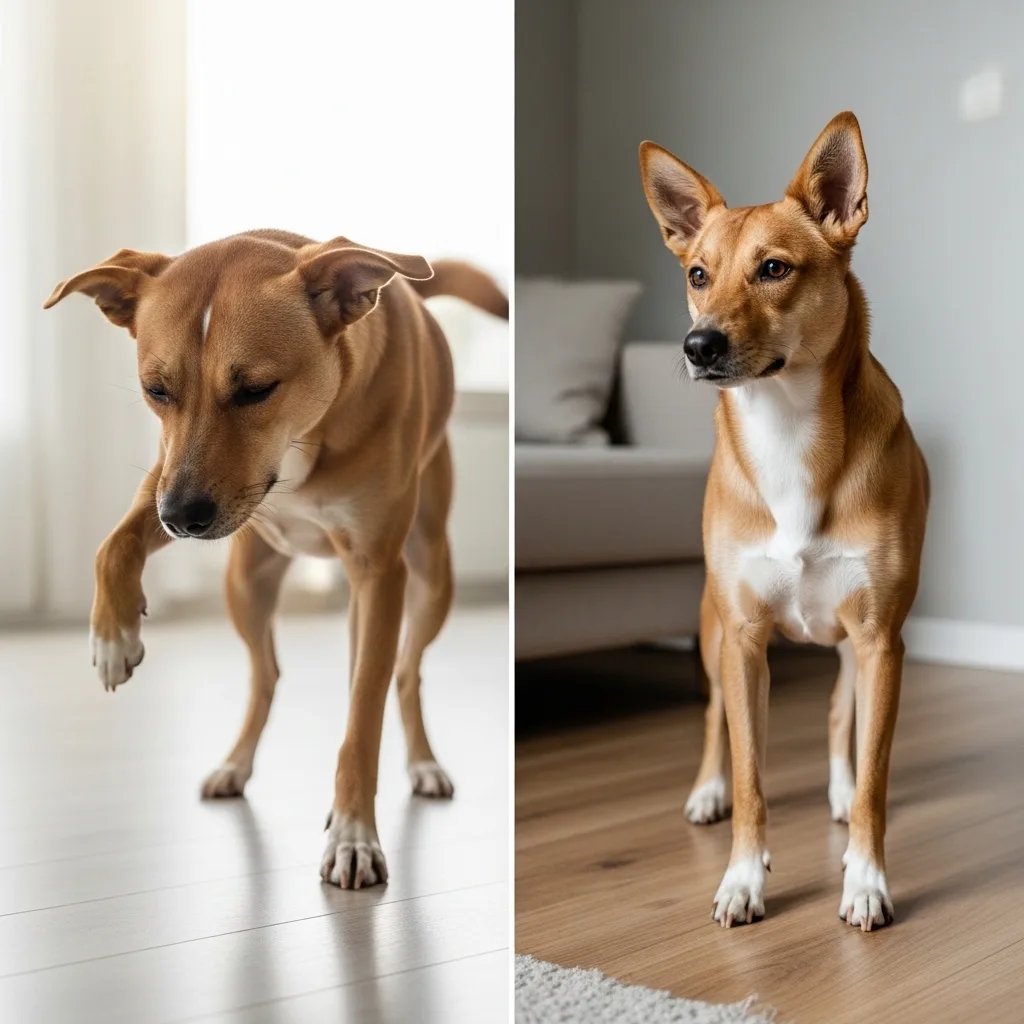
The Earliest Behavioral Signs of Hidden Pain
These signs don’t feel dramatic. That’s the problem.
1. Subtle Changes in Resting Behavior
A dog in pain often changes how and where they rest.
Watch for:
- Sleeping more during the day
- Choosing harder or cooler surfaces
- Changing preferred sleeping positions
- Avoiding curled or stretched postures they once used
These adjustments reduce pressure on painful areas.
Many owners assume this is comfort-seeking or aging. In reality, it’s self-protection.
2. Quiet Withdrawal From Interaction
Pain doesn’t always make dogs irritable.
Often, it makes them quieter.
You may notice:
- Less excitement during greetings
- Reduced interest in play
- Shorter tolerance for petting
- Subtle avoidance of touch
In the clinic, we often find that dogs labeled “calmer” or “more mature” are actually managing ongoing discomfort.
3. Changes in Movement Without Limping
Dogs don’t need to limp to be in pain.
Instead, look for:
- Hesitation before jumping
- Taking stairs more slowly
- Sitting or lying down more frequently during walks
- Standing up in stages instead of smoothly
These are compensation patterns—your dog finding ways to move while protecting something that hurts.
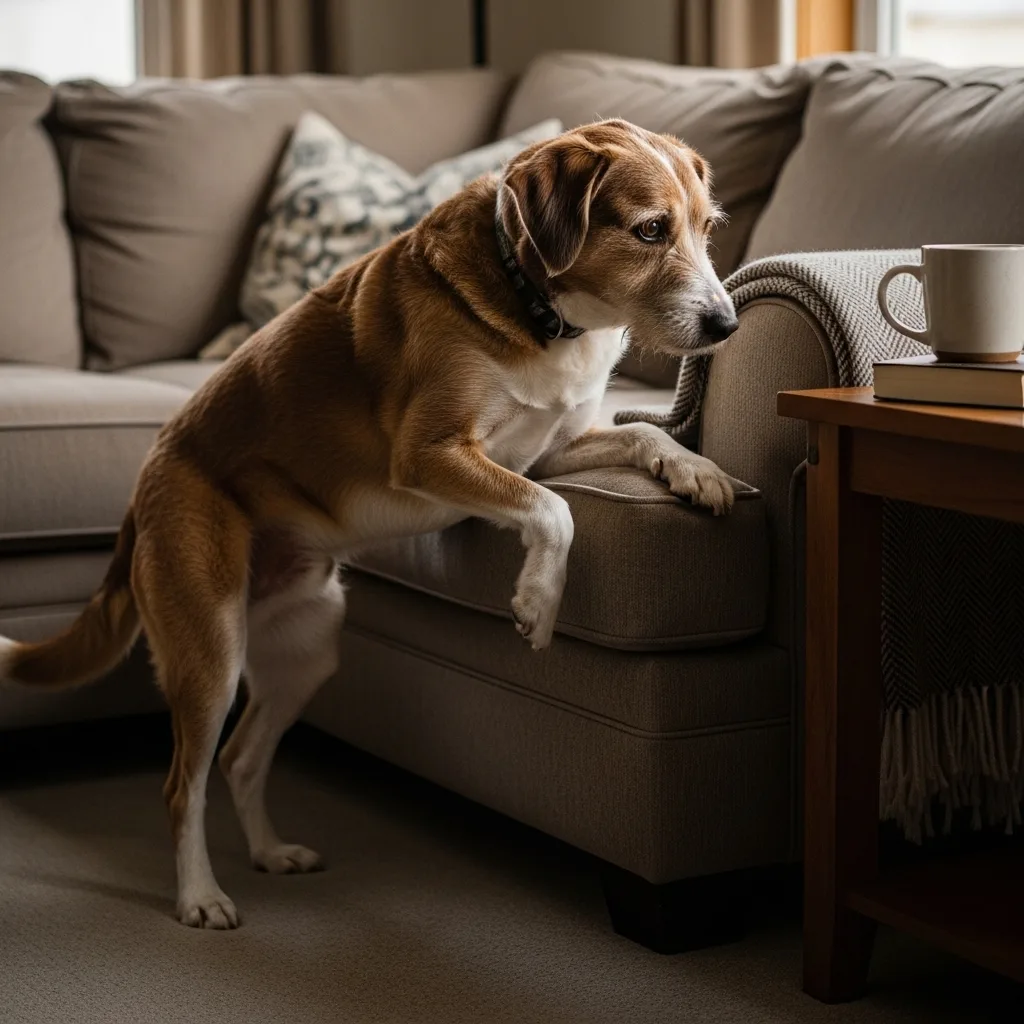
Emotional Changes Are a Major Pain Signal
One of the most overlooked signs of pain is emotional change.
Pain affects mood.
Dogs in discomfort may become:
- More clingy
- More distant
- Easily startled
- Less tolerant of noise or activity
In real-life cases, emotional shifts often appear weeks before physical signs.
Owners frequently say:
“He seems anxious lately, but nothing has changed.”
Something has changed. It just isn’t visible yet.
Appetite Can Stay Normal — And Still Mislead You
This is where many owners feel reassured.
“My dog is eating fine.”
Eating is a survival behavior. Many dogs continue to eat even while in pain.
But look closer:
- Eating more slowly
- Chewing on one side
- Walking away and returning later
- Leaving small portions unfinished
These are subtle clues that often point toward dental pain, gastrointestinal discomfort, or systemic issues.
Pain vs. Aging: A Critical Difference
Aging is gradual.
Pain-related change is often patterned.
Here’s how to tell the difference.
| Observation | Often Called “Aging” | More Likely Pain |
|---|---|---|
| Slower rising | Normal aging | Joint discomfort |
| Less play | Maturity | Chronic pain |
| Avoiding stairs | Getting old | Musculoskeletal strain |
| Sleeping more | Calm temperament | Pain-related fatigue |
| Reduced touch tolerance | Personality change | Localized sensitivity |
Age does not cause sudden behavioral shifts. Pain often does.
Why Most Owners Miss These Signs
Missing pain doesn’t mean you’re inattentive.
It means:
- Dogs hide discomfort well
- Changes happen slowly
- Normal behavior still exists alongside pain
Common reasons signs are missed:
- Waiting for obvious symptoms
- Comparing the dog to others instead of past behavior
- Assuming normal tests mean no pain
- Expecting pain to be loud
The most important comparison is your dog today vs. your dog six months ago.
Why This Matters More Than Ever
Dogs are living longer.
That’s a gift—but it also means:
- More chronic conditions
- Longer periods of low-grade pain
- Greater reliance on behavioral clues
Early pain recognition:
- Improves quality of life
- Prevents worsening conditions
- Often allows simpler, safer treatment options
Pain isn’t just about comfort. It affects mobility, digestion, sleep, and emotional wellbeing.
Practical Steps You Can Take Today
You don’t need medical training to notice pain.
Start here:
- Watch patterns, not single days
- Note behavioral changes, not just physical ones
- Pay attention to emotional shifts
- Trust concerns that don’t go away
- Share subtle observations during vet visits
One small observation often leads to a much clearer picture.
A Hidden Tip Most Owners Don’t Use
Record short videos at home.
Dogs behave differently in clinics. A short clip of:
- Walking
- Standing up
- Lying down
- Interacting naturally
Can reveal pain patterns that aren’t visible during exams.
These videos are incredibly helpful in real clinical evaluations.
Mistakes to Avoid
Even caring owners make these mistakes:
- Waiting for crying or limping
- Assuming pain equals aggression
- Believing “normal eating” means no problem
- Ignoring emotional changes
- Accepting “he’s just getting older” too quickly
Pain is often quiet long before it’s loud.
Frequently Asked Questions
1. Can dogs really be in pain without showing obvious signs?
Yes. Most chronic or low-grade pain shows up behaviorally before it becomes physically obvious.
2. How long should I observe changes before acting?
If a change lasts more than 7–10 days or keeps repeating, it’s worth discussing with your veterinarian.
3. Is emotional change really linked to pain?
Very often. Pain affects stress hormones, sleep, and tolerance, which directly influence behavior.
4. My dog still plays sometimes. Does that rule out pain?
No. Dogs often push through discomfort in short bursts, especially during exciting moments.
5. What’s the best way to explain this to my vet?
Describe what changed, when it started, how often it happens, and how it differs from your dog’s past behavior.
Key Takeaways
- Dogs rarely show pain loudly
- Behavioral changes are often the first sign
- Emotional shifts matter as much as physical ones
- Normal appetite doesn’t rule out discomfort
- Early recognition protects long-term wellbeing
A Calm, Honest Conclusion
Dogs don’t complain.
They adjust.
They adapt.
They stay quiet.
Pain doesn’t always announce itself—but it always leaves clues.
Noticing those clues isn’t overreacting.
It’s attentive, compassionate care.
And often, it makes all the difference.
Disclaimer: This article is for general educational purposes only and does not replace personalized veterinary advice. Always consult your veterinarian if you have concerns about your dog’s health.

Dr. Chaitanya Solanki is a licensed veterinarian with over 10 years of hands-on clinical experience in companion animal medicine. As the founder of Dr. C.M.’s Pet Clinic, he has treated thousands of dogs and cats, focusing on preventive care, behavior, nutrition, and early disease detection. His writing is evidence-based, clinically informed, and designed to help pet owners make confident, responsible care decisions.
Pingback: When “Just Old Age” Isn’t the Real Reason — The Hidden Health Problems We Mistake for Aging in Pets
Pingback: Why Dogs Pace the House Repeatedly — It’s Not Restlessness (What It Really Means)
Pingback: The Subtle Body Shift Vets Recognize as Early Pain — Why Most Owners Miss It
Pingback: Why Dogs Hide Illness Until It’s Advanced — The Survival Instinct Most Owners Don’t Realize
Pingback: Your Old Dog Isn’t Just Slowing Down — These Signs Often Mean Pain
Pingback: The Early Pain Signs Dogs Never Cry About — The Quiet Signals Most Owners Miss Until It’s Late
Pingback: The Silent Health Clue in Your Dog’s Daily Routine — The Small Change That Often Means More
Pingback: Why Dogs Stare at You Without Blinking — The Emotional Signals Most Owners Misread
Pingback: This Small Behaviour Change Can Signal Internal Disease — What Vets Notice Before Symptoms Appear
Pingback: Why Dogs Act Normal Even When Something Is Wrong — The Survival Instinct That Hides Illness Until It’s Serious
Pingback: Why Dogs Suddenly Stop Playing — The Quiet Behavior Change Most Owners Miss Until It’s Serious
Pingback: When Restlessness Is a Medical Clue — The Quiet Signal Pets Show Long Before Illness Is Obvious
Pingback: Why Dogs Avoid Touch When Something Hurts Inside — The Silent Pain Signal Most Owners Miss
Pingback: Why Dogs Change Favorite Sleeping Spots — What That Quiet Shift Is Really Telling You
Pingback: How Dogs Show Discomfort Without Whining — The Quiet Signs Loving Owners Often Miss
Pingback: The Hidden Warning Signs in Dog Body Language (Before Anything Feels “Wrong”)
Pingback: Why Dogs Stop Chewing Toys When They’re Unwell — The Subtle Sign Most Owners Miss