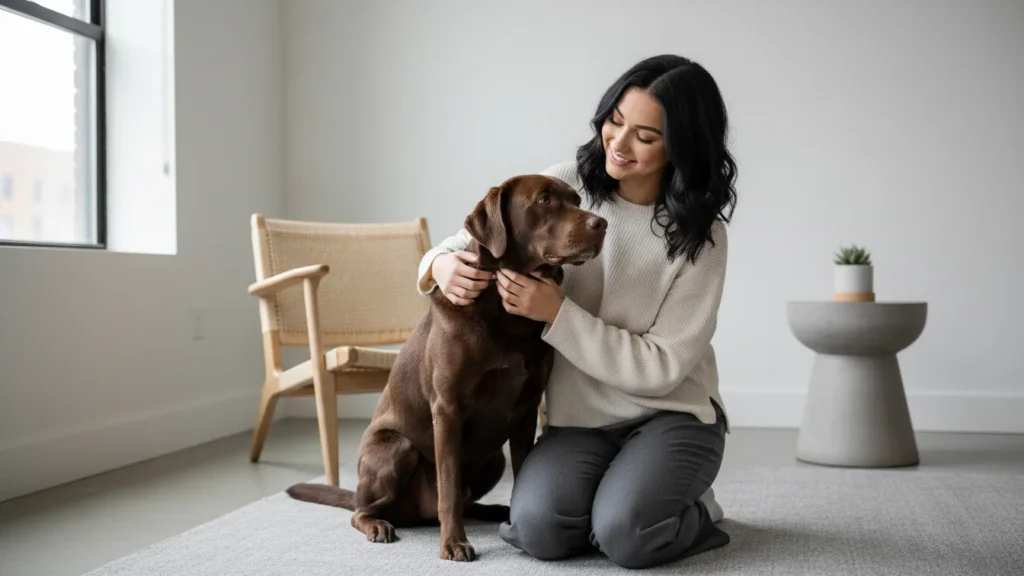
“He Seems Fine”… Until He Isn’t
Almost every veterinarian hears this sentence.
“But he was acting completely normal.”
The dog was eating.
Walking.
Playing.
Wagging his tail.
Then a diagnosis comes—and it’s serious.
To pet parents, this feels shocking. Even unfair.
To biology, it’s expected.
Dogs don’t act normal by accident when something is wrong.
They do it because millions of years of evolution trained them to.
Understanding why dogs hide illness is one of the most important things a dog owner can learn—because it explains why problems are often caught later than they should be.
1. The Survival Instinct That Never Turned Off
Dogs descended from wild canids.
In the wild:
- Showing weakness meant becoming prey
- Illness meant losing access to food
- Pain meant falling behind the pack
So evolution favored animals that could mask vulnerability.
Even today, that instinct remains deeply wired.
A dog that:
- Walks normally despite joint pain
- Eats despite nausea
- Plays despite fatigue
…is not being “brave.”
It’s following an ancient survival program.
2. Dogs Experience Pain Differently Than Humans
Humans verbalize pain.
Dogs internalize it.
Instead of crying or complaining, dogs:
- Reduce movement slightly
- Adjust posture
- Shift weight
- Sleep a little more
These changes are subtle by design.
Why owners miss it
Because dogs don’t:
- Moan
- Ask for help
- Describe discomfort
They adapt quietly—until adaptation is no longer possible.
3. Acting Normal Is a Form of Self-Protection
When dogs feel unwell, they don’t always want attention.
Many dogs instinctively:
- Avoid drawing concern
- Continue routines
- Mirror their owner’s energy
If you’re calm and relaxed, your dog may match that emotional tone, even while uncomfortable.
This is especially common in:
- Loyal breeds
- Highly bonded dogs
- Dogs sensitive to owner stress
4. The “Good Day” Illusion
One of the most confusing aspects of canine illness is fluctuation.
A dog may:
- Act off one day
- Seem normal the next
- Decline again later
This leads owners to think:
“It was probably nothing.”
In reality, many conditions:
- Come in waves
- Improve temporarily
- Progress quietly underneath
Common examples
- Kidney disease
- Early heart conditions
- Digestive inflammation
- Hormonal disorders
Normal behavior doesn’t always mean normal health—it often means temporary compensation.
5. Dogs Prioritize Routine Over Comfort
Dogs are routine-driven animals.
They will:
- Wake up when you wake up
- Walk when it’s time to walk
- Eat when food appears
Even when uncomfortable.
Why?
Because routine equals safety.
Breaking routine feels riskier to a dog than tolerating discomfort—especially in early illness stages.
6. Tail Wagging Does NOT Mean “I’m Fine”
This is one of the biggest misconceptions in dog ownership.
A wagging tail can mean:
- Social connection
- Nervous energy
- Submission
- Emotional arousal
It does not guarantee physical comfort.
Dogs with:
- Abdominal pain
- Dental disease
- Early infections
…may still wag enthusiastically.
Vets look beyond the tail—to posture, eyes, breathing, and muscle tension.
7. Why Puppies and Senior Dogs Hide Illness Even More
Puppies
- Distract easily
- Mask fatigue with bursts of play
- Don’t yet understand discomfort signals
Senior dogs
- Adjust slowly to chronic pain
- Normalize stiffness
- Reduce activity gradually
In both cases, decline happens quietly—and feels “normal” over time.
What Owners Look For vs What Actually Matters
| What Owners Often Watch | What Actually Signals Trouble |
|---|---|
| Appetite | Posture changes |
| Obvious pain | Breathing pattern |
| Limping | Energy inconsistency |
| Crying | Facial tension |
| Vomiting | Routine disruption |
| Tail wagging | Muscle guarding |
Real-Life Example: The “Perfectly Normal” Dog
A dog comes in for vaccination.
Owner says:
“He’s absolutely fine.”
The vet notices:
- Slight stiffness sitting
- Hesitation jumping off the scale
- Mild abdominal tension
Tests later reveal:
- Early spinal discomfort
- Developing joint disease
No drama. No obvious symptoms.
Just quiet signals that behavior hid—but the body revealed.
Hidden Tip: Dogs Copy Your Expectations
If you expect your dog to be fine, they often act fine.
Dogs are incredibly sensitive to:
- Tone of voice
- Body language
- Emotional cues
If you minimize changes, your dog may suppress signals even more.
Observation works best when:
- You’re neutral
- Calm
- Curious, not dismissive
Mistakes Dog Owners Commonly Make
- Waiting for dramatic symptoms
- Dismissing small behavior changes
- Assuming “he’s just lazy”
- Attributing everything to age
- Comparing today only to yesterday, not months ago
Slow change is the hardest to notice—but the most important.
Actionable Steps: How to Catch What Dogs Hide
- Watch transitions, not just activity
Standing up, lying down, turning, jumping - Observe breathing at rest
Changes here often appear early - Notice personality shifts
Clinginess, withdrawal, irritability - Track patterns, not moments
One day means little—trends mean everything - Trust “something feels off”
Intuition often notices before logic does
Why This Matters Today
Dogs live longer lives now.
That’s good news—but it also means:
- More chronic disease
- More subtle early stages
- Greater benefit from early detection
The sooner you notice what your dog is quietly enduring, the more options you have—and the better the outcome tends to be.
Key Takeaways
- Dogs hide illness due to survival instinct
- Acting normal does not equal being healthy
- Pain is often shown through subtle behavior shifts
- Routine and loyalty keep dogs functioning
- Early observation saves suffering and cost
Frequently Asked Questions
1. Can dogs really be sick without showing signs?
Yes. Many serious conditions begin with subtle or invisible changes.
2. Why don’t dogs cry or complain?
Dogs evolved to hide weakness to survive and protect themselves.
3. Is appetite a reliable health indicator?
Not always. Many dogs eat normally even with internal illness.
4. How long do dogs hide illness?
Sometimes weeks or months, depending on the condition.
5. When should I see a vet if behavior seems normal?
If changes persist, repeat, or feel unusual, early evaluation is always safer.
A Quiet Conclusion
Dogs don’t hide illness to deceive us.
They hide it to survive.
When you understand that, you stop waiting for obvious signs and start noticing the quiet ones—those small shifts that speak volumes long before a crisis appears.
Your dog has always been communicating.
Now, you know why it can be so easy to miss—and how to listen better.
Disclaimer: This article is for general educational awareness and does not replace professional veterinary advice. If you have concerns about your dog’s health, consult a qualified veterinarian.

Dr. Chaitanya Solanki is a licensed veterinarian with over 10 years of hands-on clinical experience in companion animal medicine. As the founder of Dr. C.M.’s Pet Clinic, he has treated thousands of dogs and cats, focusing on preventive care, behavior, nutrition, and early disease detection. His writing is evidence-based, clinically informed, and designed to help pet owners make confident, responsible care decisions.
Pingback: When Mild Lethargy Isn’t Laziness — The Quiet Health Signal Most Dog Owners Brush Off
Pingback: Why Dogs Watch You Eat Every Bite — The Deep Instinct Behind That Unblinking Stare
Pingback: Kennel Cough Isn’t Always Mild — When It Becomes Dangerous
Pingback: Feline Panleukopenia: The Cat Virus That Acts Like “Sudden Weakness” First
Pingback: Parvo in Dogs Doesn’t Start With Bloody Diarrhea — What Appears First
Pingback: Rabies Exposure in Pets: The Early Behavioral Changes That Raise Red Flags
Pingback: The Early Warning Signs Most Dog Owners Regret Missing
Pingback: Why Sick Dogs Lose Interest Before They Show Other Symptoms
Pingback: The Silent Signs of Kidney Disease in Pets — What Vets Notice Long Before Owners Do
Pingback: The Health Risks That Don’t Cause Pain at First—Why “Nothing Seems Wrong” Is Often the First Warning
Pingback: Why Dogs Become Quiet Instead of Acting Out — The Silent Signals Owners Miss
Pingback: How Dogs Silently Guard Their Body When Something Hurts — The Clues That Matter Most