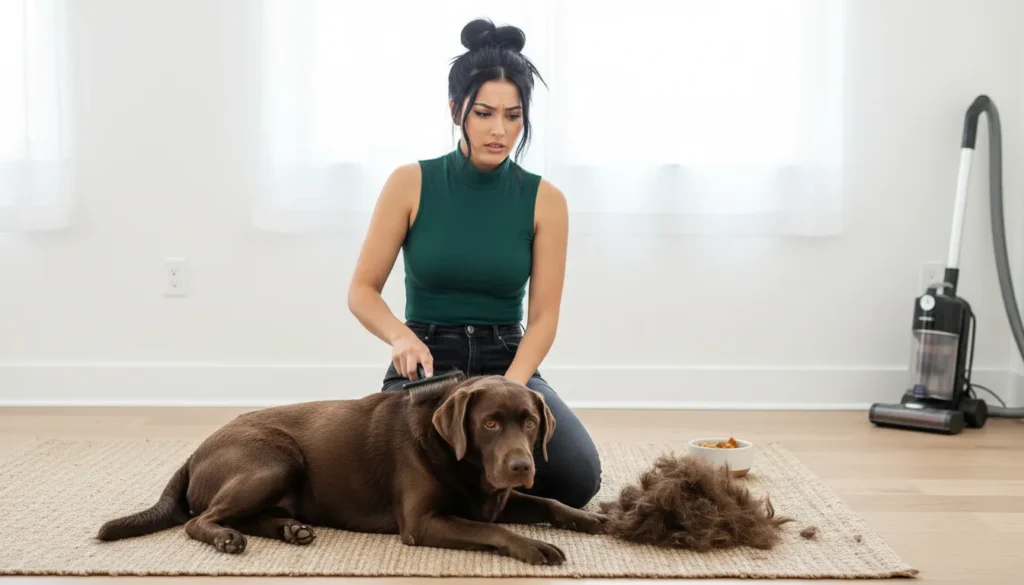
Why Hair Loss in Pets Is Often Hormonal, Not Dermatological
Hair loss in pets can feel alarming.
One day your dog’s coat looks thick and healthy…
and the next, you notice thinning patches, bald spots, or excessive shedding that wasn’t there before.
Most pet parents immediately assume:
- Fleas
- Allergies
- Skin infections
- Mange
- Dermatological disease
And sometimes, they’re right.
But here’s the surprising truth many owners (and even some clinics) miss:
A large number of chronic or unusual hair loss cases in pets are hormonal, not skin-deep.
Meaning the problem often starts inside the body, not on the surface.
And that changes everything about diagnosis, treatment, and long-term recovery.
Let’s break down what’s really happening—and why it matters so much.
The Mistake Most Owners Make: Treating Hair Loss Like a Surface Problem
Hair loss looks like a skin issue.
So naturally, people focus on the skin:
- Shampoos
- Creams
- Antibiotics
- Anti-itch medications
- Allergy diets
But when hair loss is hormonal, these treatments often lead to a frustrating cycle:
✅ Temporary improvement
❌ Hair falls out again
❌ New patches appear
❌ Months of guessing
❌ Growing costs and anxiety
Because the root cause was never dermatological to begin with.
Hormonal Hair Loss: The Hidden Internal Trigger
Hormones act like the body’s chemical messengers.
They control:
- metabolism
- growth
- stress response
- reproduction
- skin health
- hair follicle cycles
When hormones become imbalanced, hair follicles can basically “switch off.”
The result?
- thinning fur
- symmetrical baldness
- dull coat
- slow regrowth
- recurring shedding with no itching
And here’s the key clue:
Hormonal hair loss is often NOT itchy.
That single detail separates many endocrine cases from true skin disease.
The Biggest Sign: Hair Loss Without Redness or Scratching
Dermatological hair loss usually comes with irritation:
- scratching
- chewing paws
- inflamed skin
- hot spots
- crusting
Hormonal hair loss often looks different:
- smooth bald patches
- darkened skin
- thinning on both sides
- no obvious discomfort
- “rat tail” appearance
Many owners say:
“My pet isn’t even itchy… but the hair keeps disappearing.”
That’s a classic endocrine red flag.
Common Hormonal Conditions That Cause Hair Loss in Pets
Let’s explore the most frequent internal causes.
1. Hypothyroidism (Low Thyroid Hormone)
This is one of the most common hormonal disorders in dogs.
Thyroid hormones regulate metabolism and hair growth.
When levels drop, the body slows down—and so do hair follicles.
Typical signs:
- thinning coat
- hair loss on trunk and tail
- weight gain despite normal diet
- low energy
- chronic ear infections
It often develops gradually, making it easy to miss until hair loss becomes obvious.
2. Cushing’s Disease (Excess Cortisol)
Cushing’s disease occurs when the body produces too much cortisol (stress hormone).
It affects skin integrity and suppresses hair growth.
Classic symptoms:
- symmetrical hair loss
- thin, fragile skin
- pot-bellied appearance
- increased thirst and urination
- recurring infections
This condition is often mistaken for “aging” at first.
3. Sex Hormone Imbalances
Hormones like estrogen and testosterone also influence coat cycles.
Pets with sex-hormone disorders may show:
- hair loss around genital areas
- thinning after spaying/neutering complications
- coat changes without itchiness
This is less common but important in unusual cases.
4. Growth Hormone-Responsive Alopecia
Seen mostly in certain breeds, especially young males.
Signs include:
- coat loss starting at the neck or thighs
- smooth skin
- seasonal worsening
Often improves with hormonal correction.
5. Diabetes and Metabolic Disorders
Chronic metabolic imbalance can affect skin and coat health.
Hair loss may occur alongside:
- weight changes
- increased hunger
- slow healing
- recurrent infections
Hormonal vs Dermatological Hair Loss: Quick Comparison
Here’s the difference many owners wish they knew sooner:
| Feature | Hormonal Hair Loss | Dermatological Hair Loss |
|---|---|---|
| Itching | Rare or mild | Common and intense |
| Pattern | Symmetrical thinning | Random patches |
| Skin Redness | Usually absent | Often inflamed |
| Hair Regrowth | Slow or absent | Faster once treated |
| Common Causes | Thyroid, Cushing’s | Allergies, fleas, mites |
| Treatment Response | Needs internal correction | Topicals often help |
Why This Matters Today (And Always Will)
Pet parents are more attentive than ever.
But modern pets also face more endocrine disruption due to:
- longer lifespans
- chronic stress
- obesity trends
- increased exposure to medications
- genetic predispositions
That means hormonal coat issues are being seen more often—and earlier.
Recognizing it quickly can prevent:
- unnecessary treatments
- months of discomfort
- worsening internal disease
Hair loss is often the first visible sign of something deeper.
Real-Life Example: “We Thought It Was Allergies…”
A Labrador named Max developed thinning fur along his sides.
His owners tried:
- allergy diets
- medicated shampoos
- flea control
- antibiotics
Nothing worked.
He wasn’t itchy.
Just balding.
A full endocrine panel revealed hypothyroidism.
Once thyroid medication started, his coat slowly returned over the next few months.
The skin wasn’t the problem.
The hormones were.
Hidden Tips Most Owners Don’t Know
✅ Tip #1: Symmetrical hair loss is rarely fleas
Fleas create patchy irritation, not mirror-image baldness.
✅ Tip #2: No itching = look deeper
Many endocrine cases are silent and painless.
✅ Tip #3: Darkened skin can be hormonal
Hyperpigmentation often develops with chronic hormone imbalance.
✅ Tip #4: Shampoos won’t fix endocrine alopecia
Topicals can soothe skin, but they don’t restart hormonal signaling.
Mistakes to Avoid
Many loving owners unintentionally delay diagnosis by doing these common things:
- Treating hair loss as allergies for months
- Using repeated antibiotics without testing
- Overbathing (which damages skin barrier)
- Ignoring fatigue or weight changes
- Assuming it’s “just seasonal shedding”
The coat is often a health mirror.
Don’t ignore what it reflects.
Actionable Steps: What You Should Do If Your Pet Is Losing Hair
If you suspect hormonal hair loss, here’s the smart next approach:
1. Track the Pattern
Ask yourself:
- Is it symmetrical?
- Is the tail thinning?
- Are both sides affected?
2. Note Other Body Changes
Look for:
- weight gain/loss
- thirst changes
- lethargy
- pot belly
- skin darkening
3. Request Proper Testing
Veterinarians may recommend:
- thyroid blood panel
- cortisol testing (ACTH stimulation or LDDS test)
- hormone screening
- skin scraping to rule out parasites
4. Be Patient With Regrowth
Hormonal correction takes time.
Hair often regrows in 8–24 weeks, not overnight.
Key Takeaways
- Pet hair loss is often hormonal, not just dermatological
- Hormonal alopecia usually causes non-itchy, symmetrical thinning
- Common endocrine causes include hypothyroidism and Cushing’s disease
- Skin treatments alone often fail if hormones are the root issue
- Early testing prevents months of guesswork and discomfort
- The coat can be the first visible sign of deeper internal imbalance
FAQ: Hair Loss in Pets and Hormones
1. Can hormonal hair loss happen without itching?
Yes. In fact, most hormonal alopecia cases are not itchy at all.
2. How can I tell if hair loss is hormonal or allergies?
Allergies usually cause intense itching, redness, and paw licking. Hormonal loss is often symmetrical and smooth.
3. Does spaying or neutering cause hair loss?
It can in rare cases, due to sex hormone changes, but most pets do not experience significant coat loss from sterilization alone.
4. How long does it take for hair to grow back after hormone treatment?
Typically 2–6 months, depending on the condition and how advanced it is.
5. Should I try supplements before seeing a vet?
Supplements may support coat health, but hormonal disorders require proper diagnosis and medical treatment.
Conclusion: Don’t Just Treat the Fur—Treat the Cause
Hair loss in pets isn’t always a skin problem.
Sometimes, it’s the body whispering:
“Something inside is out of balance.”
When hormones are the hidden trigger, shampoos and allergy meds won’t solve it.
But the good news?
With proper endocrine testing and treatment, many pets regain their coats, comfort, and vitality.
So if your pet’s fur is thinning without clear irritation…
Don’t just ask, “What’s happening to the skin?”
Ask the deeper question:
“Could this be hormonal?”
That one shift in thinking can change everything.

Dr. Chaitanya Solanki is a licensed veterinarian with over 10 years of hands-on clinical experience in companion animal medicine. As the founder of Dr. C.M.’s Pet Clinic, he has treated thousands of dogs and cats, focusing on preventive care, behavior, nutrition, and early disease detection. His writing is evidence-based, clinically informed, and designed to help pet owners make confident, responsible care decisions.