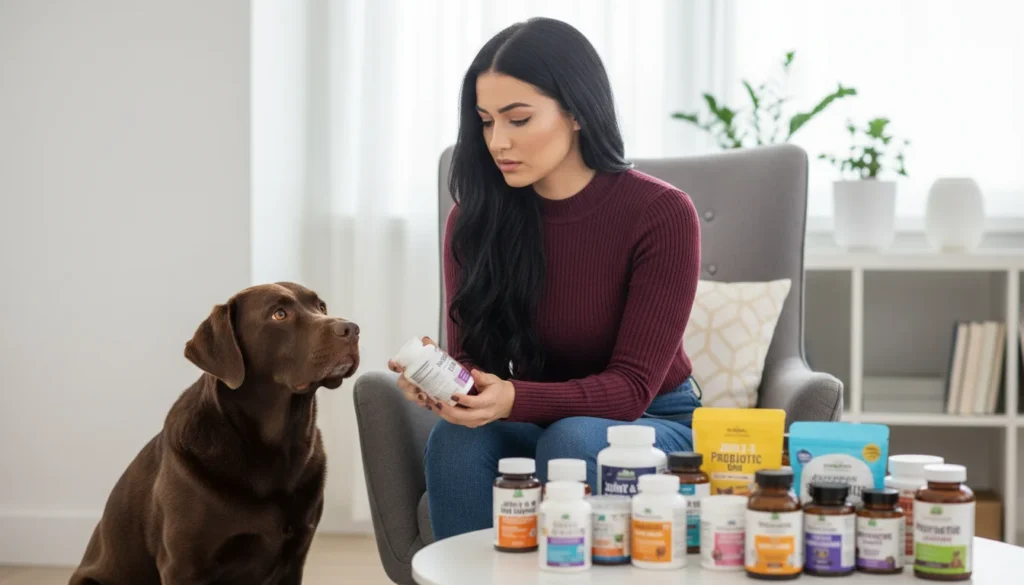
Why Fat-Soluble Vitamins Accumulate and Cause Harm in Pets
Most pet owners give supplements with the best intentions.
You want your dog to stay strong.
You want your cat to live longer.
You want to “fill nutritional gaps” and do something proactive.
And vitamins sound harmless, right?
But here’s the truth that surprises many loving pet parents:
Some vitamins don’t flush out of your pet’s body easily.
Instead, they can build up silently inside organs and fat stores.
Over time, too much of certain vitamins can shift from “helpful” to dangerous.
This is especially true for fat-soluble vitamins, and it’s one of the most overlooked supplement risks in dogs and cats today.
Let’s break down why it happens, which vitamins are involved, and how to keep your pet safe.
Why This Matters More Than Ever Today
Pet supplements have exploded in popularity.
Now you can easily buy:
- Vitamin chews
- Fish oil blends
- “Immune boosters”
- Multivitamin powders
- Homemade diet add-ons
But unlike water-based nutrients, fat-soluble vitamins behave differently.
The danger is not one big overdose.
It’s slow accumulation over weeks or months.
That’s why understanding this matters before adding extra vitamins “just in case.”
The Key Concept: Vitamins Behave Differently in the Body
All vitamins fall into two categories:
✅ Water-Soluble Vitamins
Examples: Vitamin C, B-complex
These dissolve in water and excess is usually excreted through urine.
✅ Fat-Soluble Vitamins
These dissolve in fat and are stored.
The main fat-soluble vitamins are:
- Vitamin A
- Vitamin D
- Vitamin E
- Vitamin K
These are essential — but they come with a unique risk:
They accumulate instead of being easily eliminated.
Why Fat-Soluble Vitamins Accumulate in Pets
Dogs and cats have fat tissue and liver storage just like humans.
Fat-soluble vitamins are absorbed through dietary fat and then stored in:
- The liver
- Fat deposits
- Cell membranes
This storage system is useful in nature because it helps animals survive times of low food intake.
But in modern pets, it can become a problem.
Because when supplements are added on top of an already complete diet…
The body keeps storing more and more.
The Big Difference: Storage vs Flush-Out
Here’s the simplest way to understand it:
- Water-soluble vitamins = “use it or lose it”
- Fat-soluble vitamins = “use it or store it”
And storage sounds good…
Until storage becomes overload.
Which Fat-Soluble Vitamins Cause Toxicity in Pets?
Not all vitamins have equal risk.
Some are more commonly linked to toxicity.
1. Vitamin A Toxicity (Hypervitaminosis A)
Vitamin A supports:
- Vision
- Skin health
- Immunity
- Growth
But too much can be harmful, especially in cats.
Common causes:
- Excess liver in homemade diets
- High-dose supplements
- Multiple fortified products combined
Potential signs:
- Bone and joint stiffness
- Painful movement
- Weight loss
- Dry skin
- Lethargy
Cats are especially sensitive because they metabolize vitamin A differently than dogs.
2. Vitamin D Toxicity (One of the Most Dangerous)
Vitamin D regulates:
- Calcium balance
- Bone health
- Muscle function
But excess vitamin D is a serious emergency.
Overload can cause:
- High calcium in the blood
- Kidney damage
- Heart rhythm issues
Common sources of toxicity:
- Human vitamin D capsules
- Rodenticide ingestion
- Over-supplementation
- Incorrect dosing of pet products
Signs may include:
- Vomiting
- Drinking excessively
- Weakness
- Loss of appetite
- Kidney distress
Vitamin D is powerful — and not something to “guess” with.
3. Vitamin E (Usually Safer, But Still Not Unlimited)
Vitamin E is an antioxidant that supports:
- Cell protection
- Immune balance
- Skin and coat
Toxicity is rare, but excessive amounts may interfere with other vitamins.
Very high doses can affect:
- Blood clotting
- Digestive stability
Vitamin E should still be given in veterinary-guided amounts.
4. Vitamin K (Less Common but Important)
Vitamin K supports blood clotting.
Toxicity is uncommon from supplements, but imbalance can occur if:
- Pets have liver disease
- Certain medications interfere
- Large unnecessary doses are given
Vitamin K is usually only supplemented under vet supervision.
Comparison Table: Water vs Fat-Soluble Vitamins in Pets
| Feature | Water-Soluble Vitamins | Fat-Soluble Vitamins |
|---|---|---|
| Examples | Vitamin C, B vitamins | A, D, E, K |
| Storage in body | Minimal | Stored in liver and fat |
| Excess removal | Excreted in urine | Accumulates over time |
| Toxicity risk | Lower (usually) | Higher with long-term excess |
| Supplement caution | Moderate | High — needs proper dosing |
Why Pets Are Especially Vulnerable
Many owners assume:
“If a little is good, more must be better.”
But pets are smaller and more dose-sensitive.
A “tiny extra amount” for a human can become a massive overdose for:
- Cats
- Small dogs
- Puppies
- Seniors
- Pets with kidney or liver disease
Also important:
Most commercial pet foods are already nutritionally complete.
So adding high-dose vitamins can unintentionally double or triple intake.
Real-Life Example: The Healthy Dog With Too Many Supplements
A well-fed dog was given:
- Multivitamin chews
- Fish oil with added A and D
- Homemade liver treats daily
Over months, the dog developed:
- Stiff joints
- Appetite loss
- Elevated liver values
The cause wasn’t disease.
It was chronic vitamin A overload.
This is how toxicity often happens:
Slowly, quietly, accidentally.
Hidden Supplement Mistakes to Avoid
Here are the most common errors pet owners make:
- Combining multiple fortified supplements
- Using human vitamins for pets
- Overfeeding liver-based treats
- Assuming “natural” means safe
- Supplementing without bloodwork
- Giving vitamins on top of complete diets unnecessarily
Safe Supplementing Guidelines for Pet Owners
Here are practical rules that truly protect pets:
✅ 1. Check if the diet is already complete
Most AAFCO-approved foods contain adequate vitamins.
✅ 2. Avoid high-dose fat-soluble vitamins unless prescribed
✅ 3. Never give human vitamin capsules to pets
✅ 4. Ask your vet before combining products
✅ 5. Use supplements only when there’s a real need
Examples:
- Malabsorption disorders
- Deficiency confirmed by testing
- Veterinary therapeutic plans
Key Takeaways
- Fat-soluble vitamins (A, D, E, K) are stored in pets’ liver and fat
- Excess builds up slowly and can lead to toxicity
- Vitamin D and Vitamin A are most commonly dangerous
- Many pet foods already provide sufficient vitamins
- Over-supplementation is a growing risk in modern pet care
- Always supplement with veterinary guidance, not guesswork
FAQ: Fat-Soluble Vitamins and Pet Safety
1. Can vitamins really harm my dog or cat?
Yes. Fat-soluble vitamins can accumulate over time and cause toxicity, especially A and D.
2. Which vitamin overdose is most dangerous in pets?
Vitamin D overdose is one of the most serious, as it can cause kidney failure and calcium imbalance.
3. Is liver safe to feed pets?
In small amounts, yes. But frequent or high liver intake can cause vitamin A overload, especially in cats.
4. Do pets on commercial food need vitamin supplements?
Usually not. Complete pet foods already contain balanced vitamin levels.
5. What should I do if I suspect vitamin toxicity?
Stop the supplement and contact your veterinarian immediately. Early intervention makes a major difference.
In Pets, More Vitamins Is Not Always Better
Fat-soluble vitamins are essential.
They support life, immunity, and strength.
But they come with one unique danger:
The body stores them… and storage can turn into overload.
Most toxicity isn’t caused by negligence.
It’s caused by love plus misinformation.
So the safest path is simple:
Supplement when needed.
Dose carefully.
Trust veterinary guidance.
And remember — nutrition is about balance, not excess.

Dr. Chaitanya Solanki is a licensed veterinarian with over 10 years of hands-on clinical experience in companion animal medicine. As the founder of Dr. C.M.’s Pet Clinic, he has treated thousands of dogs and cats, focusing on preventive care, behavior, nutrition, and early disease detection. His writing is evidence-based, clinically informed, and designed to help pet owners make confident, responsible care decisions.